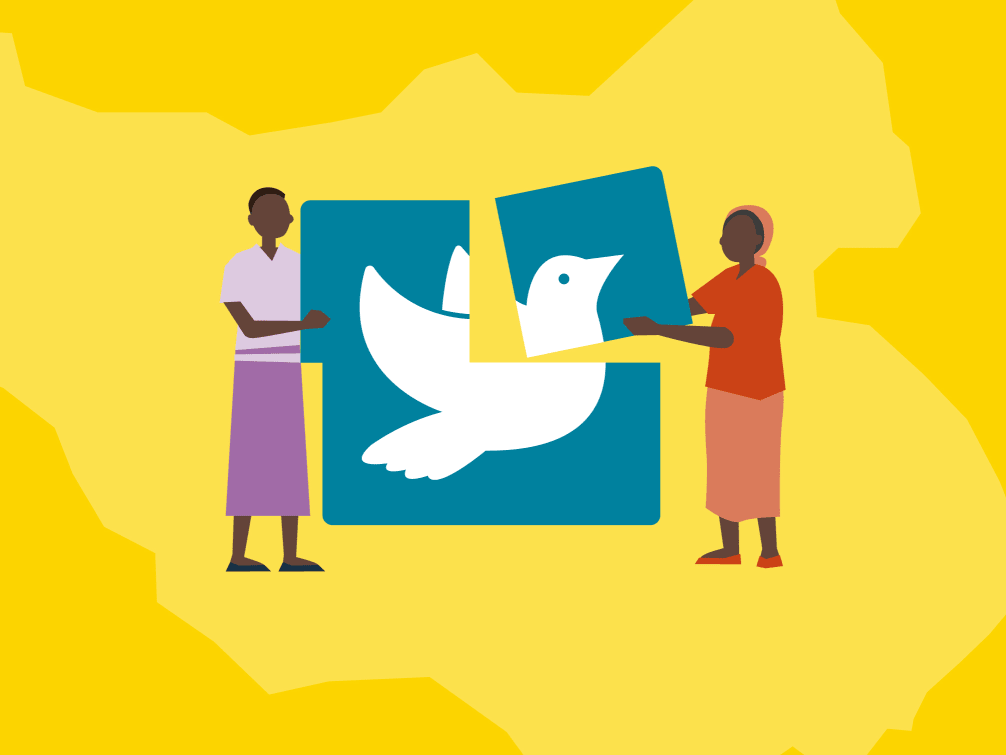
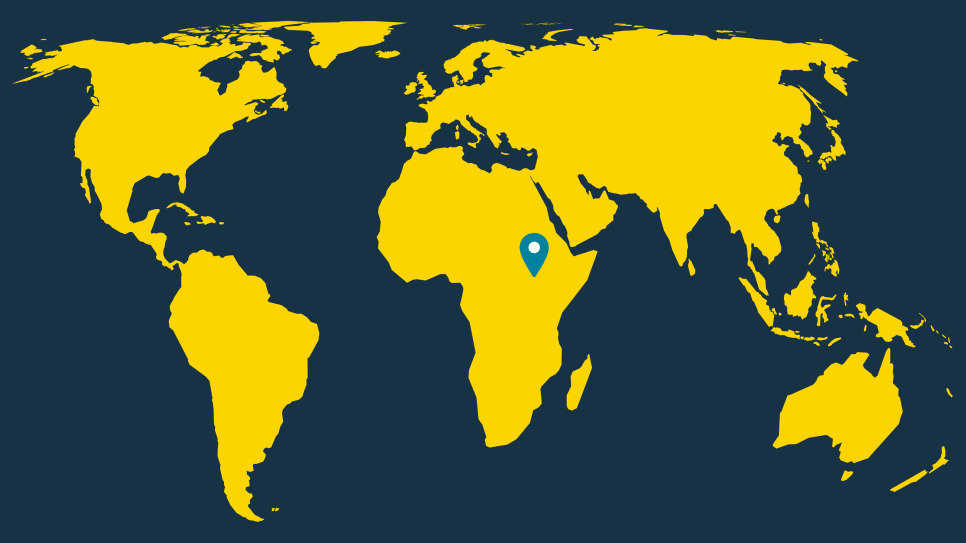
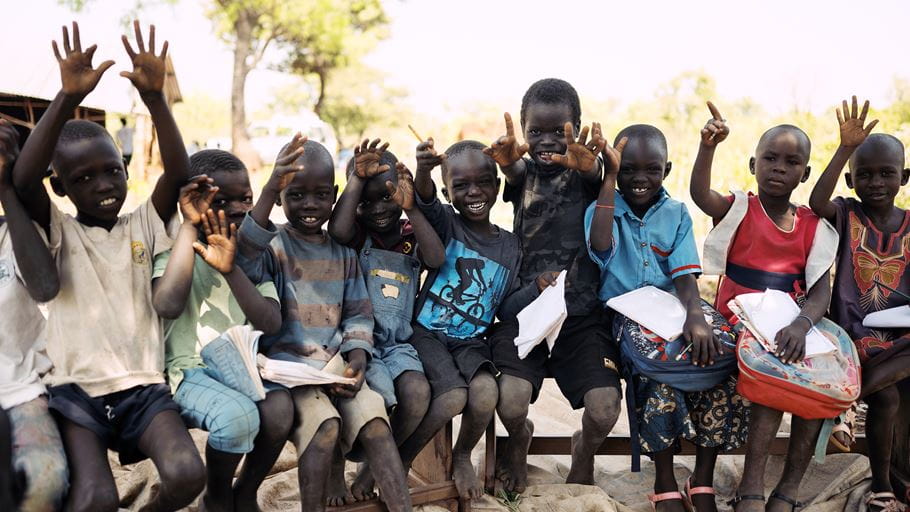
In 2013, just two years after gaining independence, civil war broke out in South Sudan, triggered by a political power struggle, which escalated into ethnic violence across many communities. This caused widespread human rights abuses, hunger and displacement. After many peace efforts, a unity government brought relative stability in 2020.
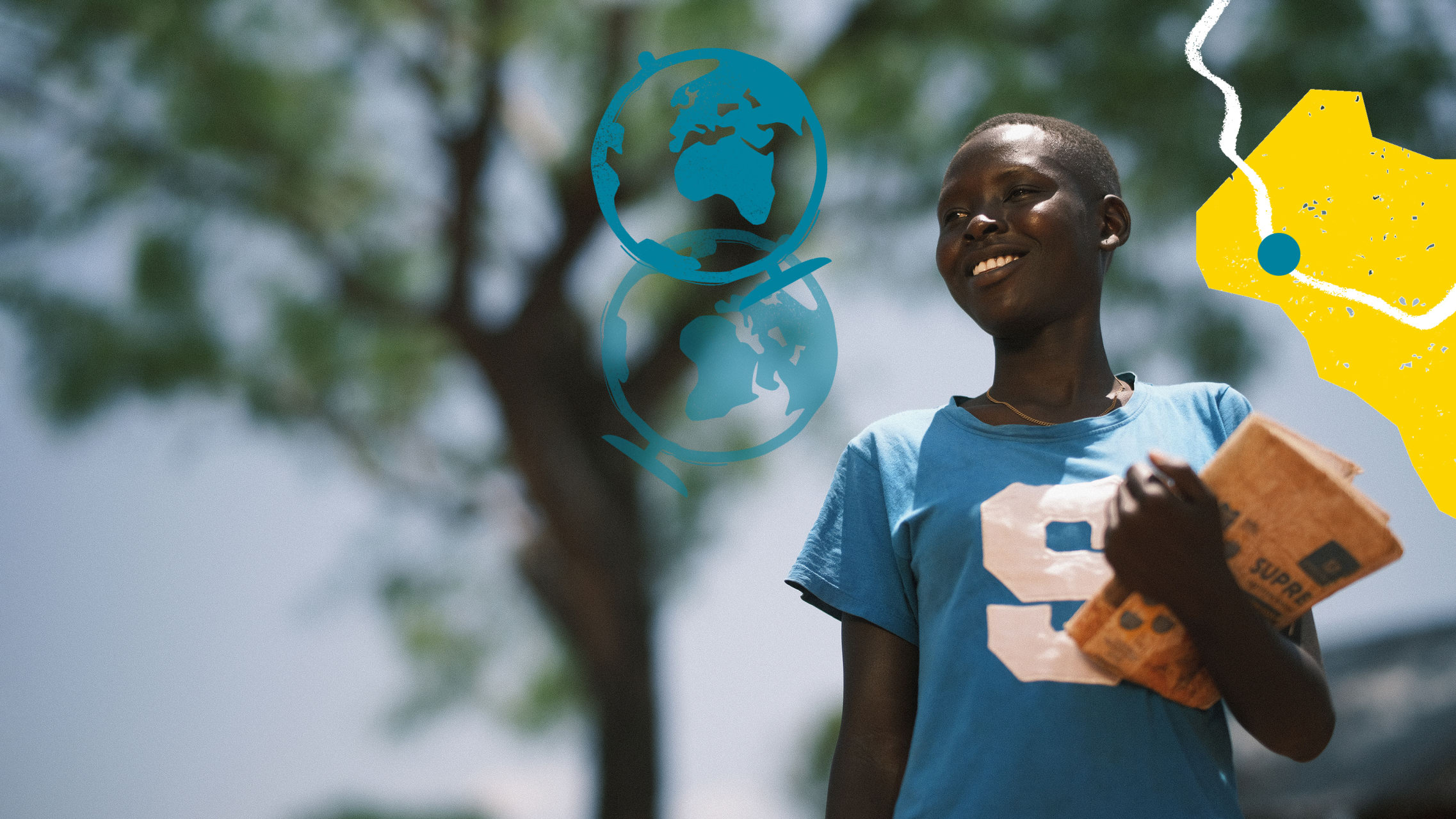
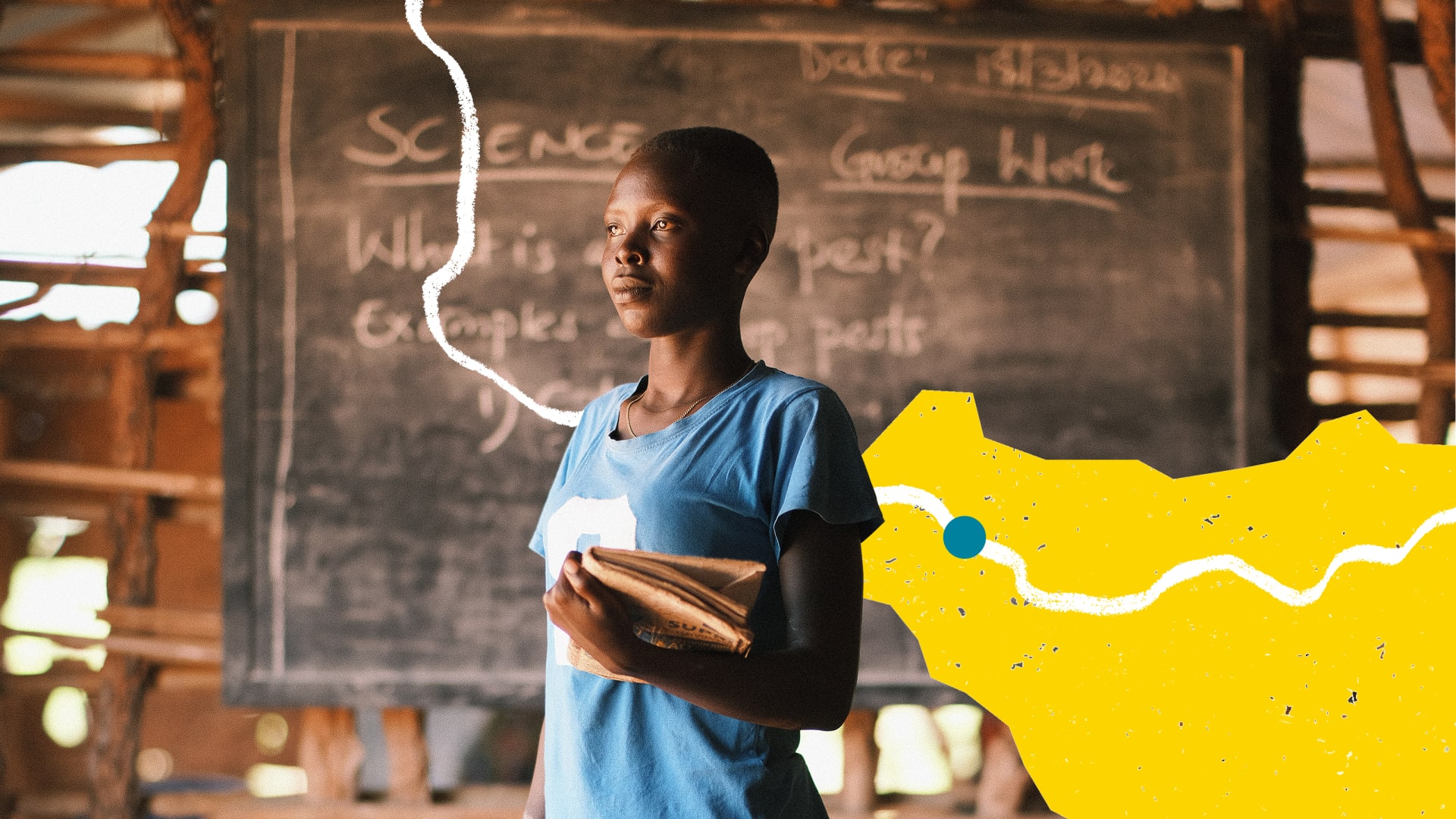
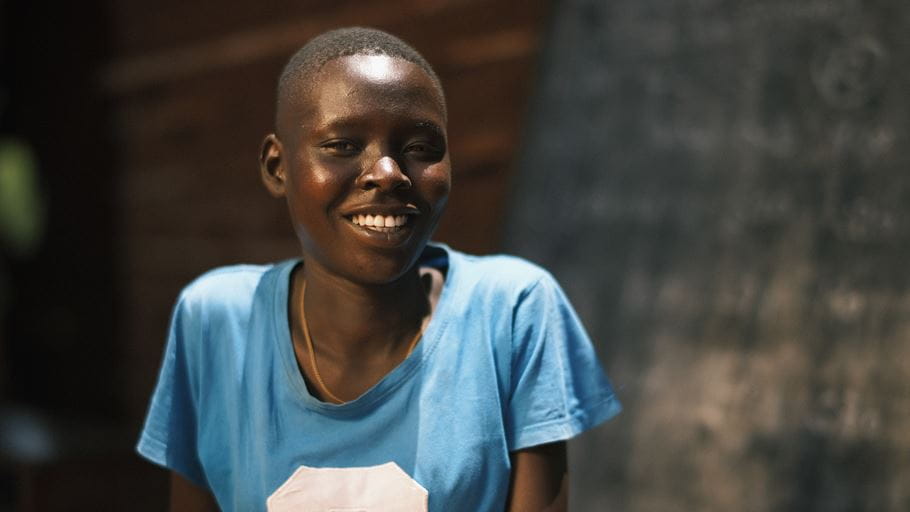
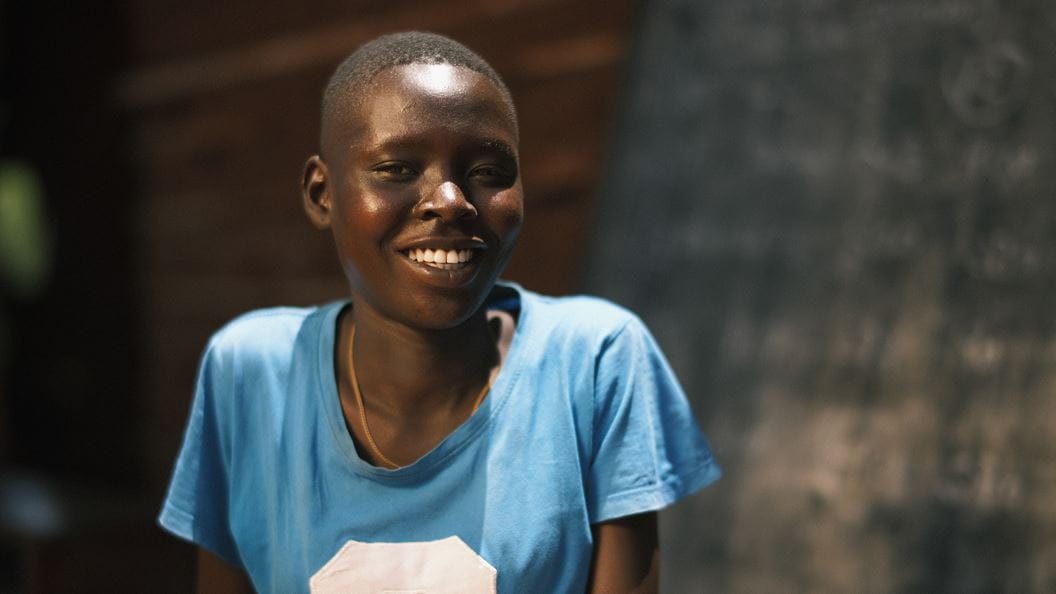
‘In 2017, I was eight years old,’ says Poni from Kajo-Keji. That was the year when the conflict reached her community. ‘My family fled to Uganda. I was so young, I wasn’t able to carry anything.
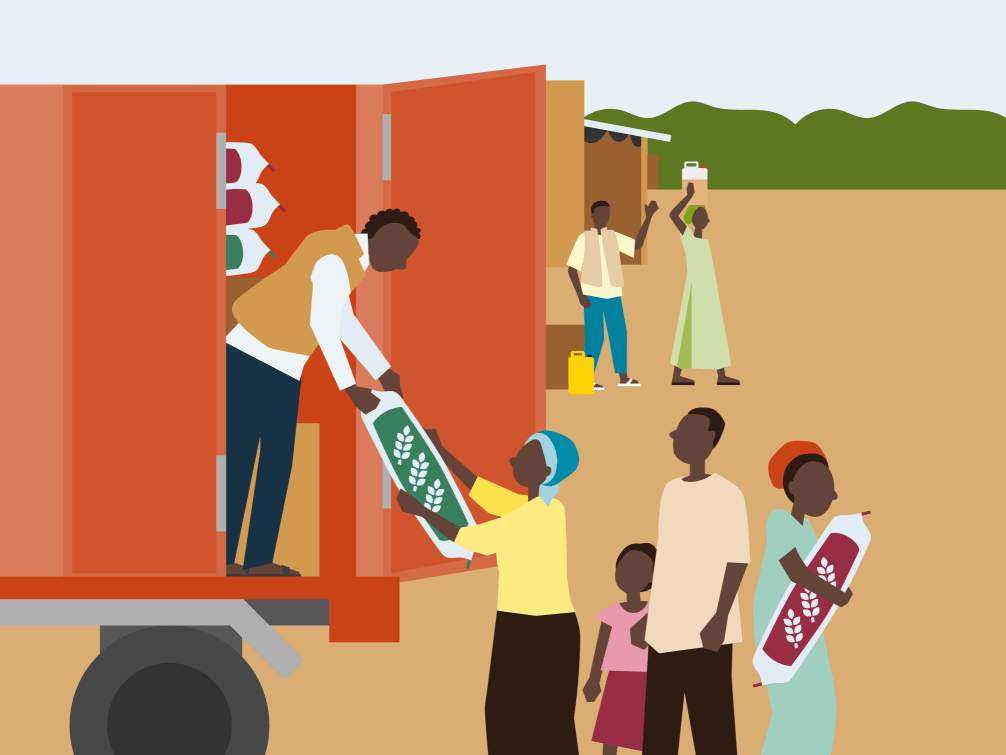
When Poni and her family reached a refugee camp in Uganda, they found supplies were limited. ‘We were given food just once a month, and it was very difficult to get water.’
Poni’s education suffered because her parents didn’t always have enough money for school fees or to buy books and stationery. As a result, she missed many days of schooling while in Uganda.
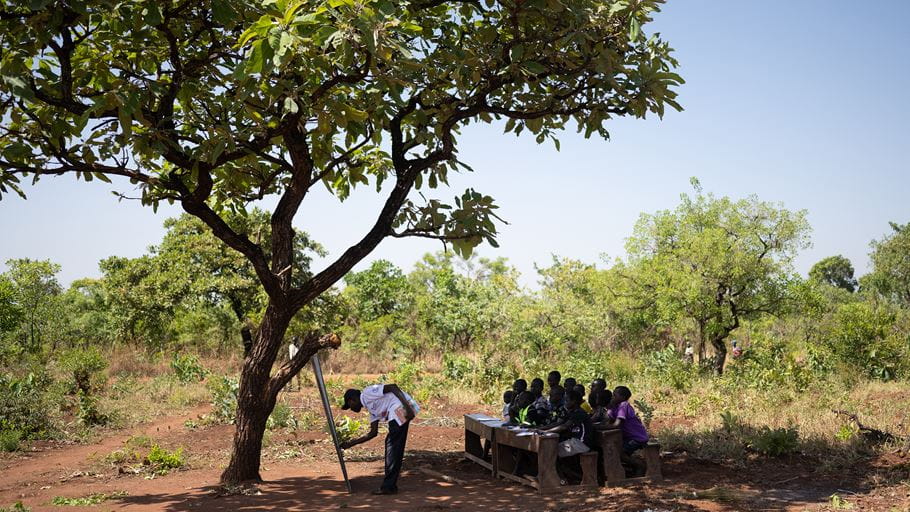
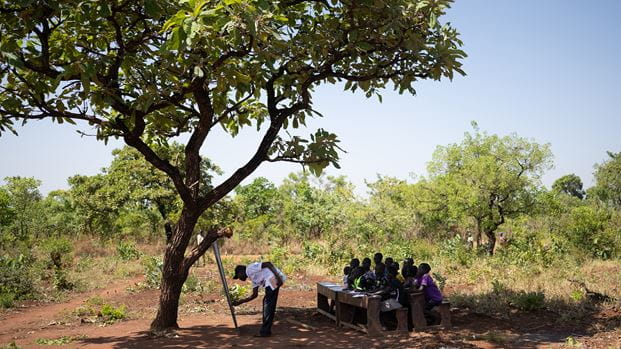
Three years later, the conflict began to ease. ‘We heard that there was peace, so we decided to come back. But we didn’t find our home. All the houses had been burnt down. We slept under the trees for a month until we built a new home.’
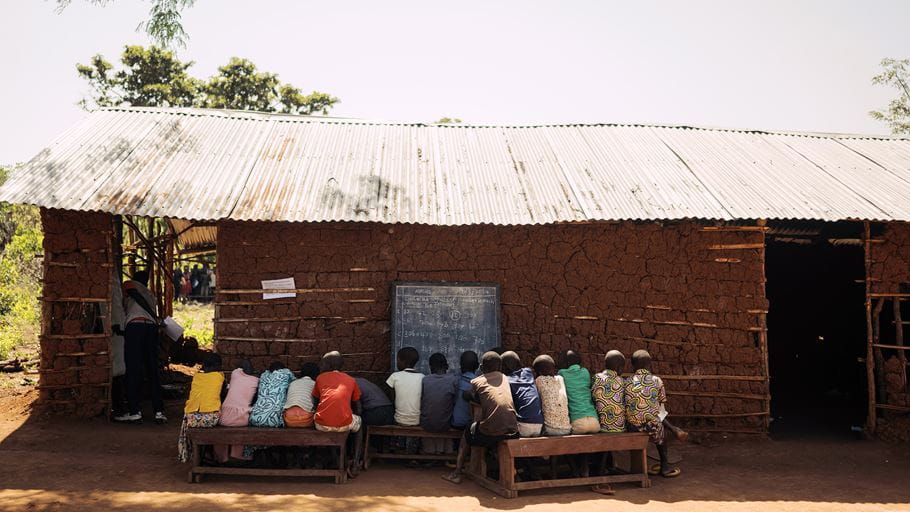
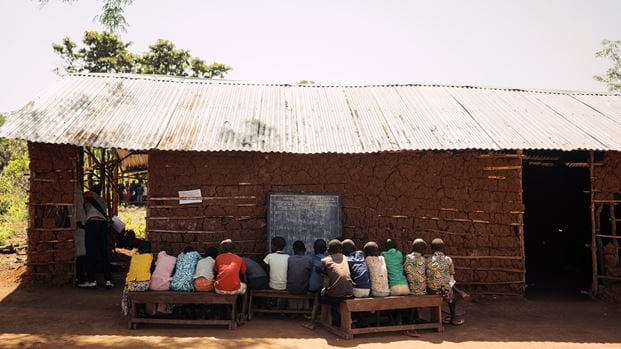
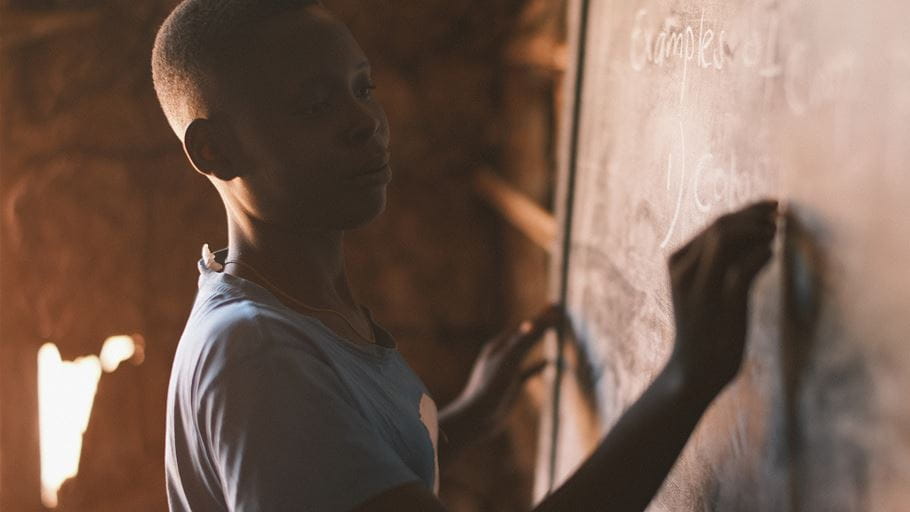
Her local school had been burned down too. The nearest surviving school was two kilometres away, and it was too dangerous to travel there. ‘So I just stayed at home,’ Poni says.
But, thanks to support from faithful givers like you, and through the initiative of her local church, hope was stirring in Poni’s community…