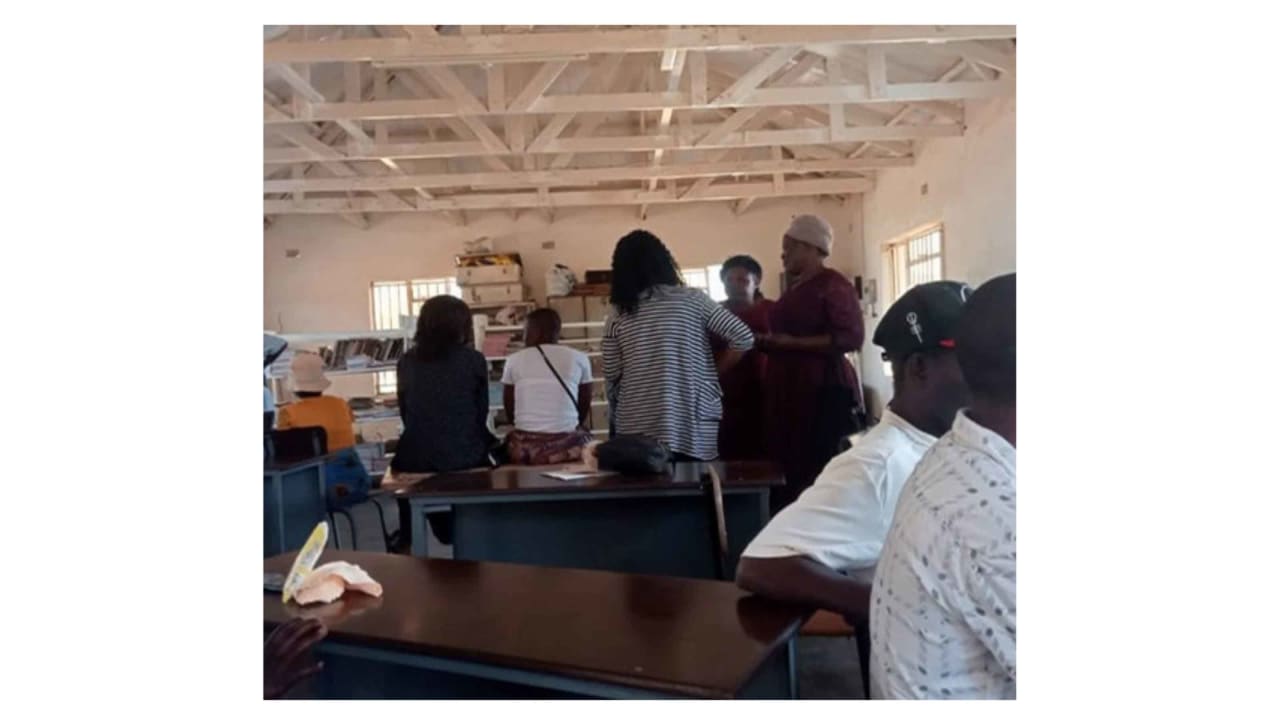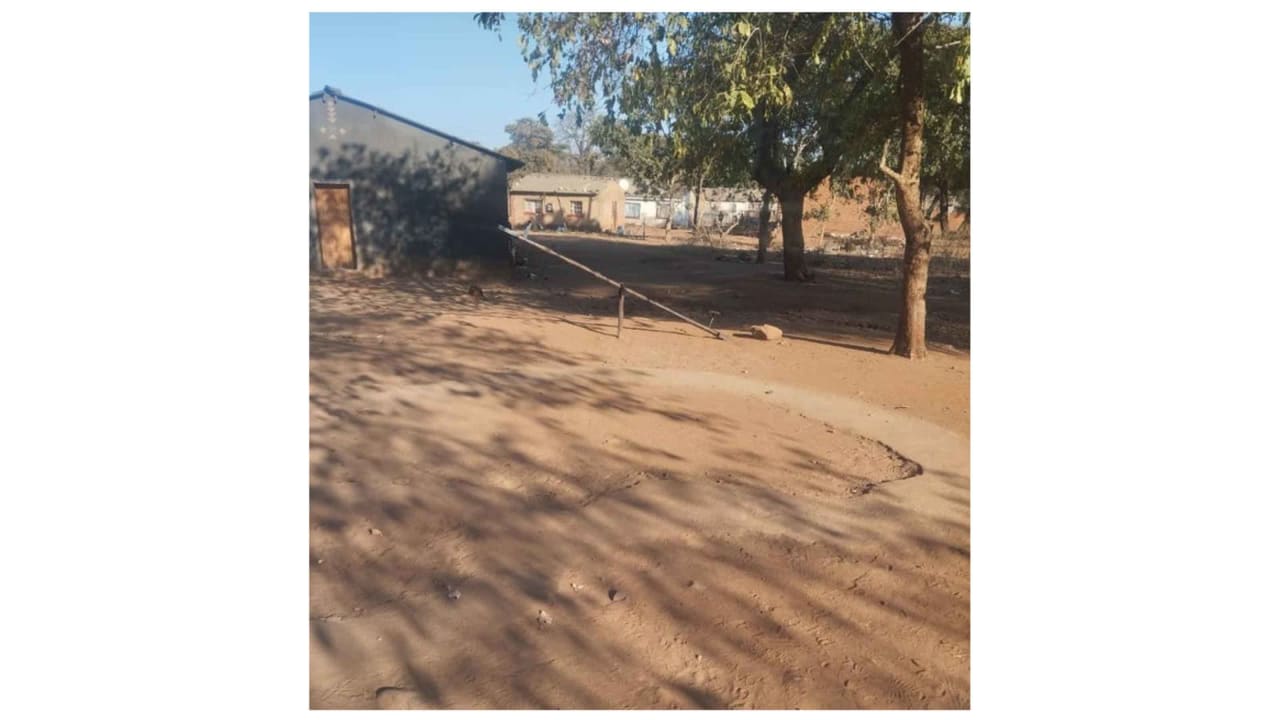
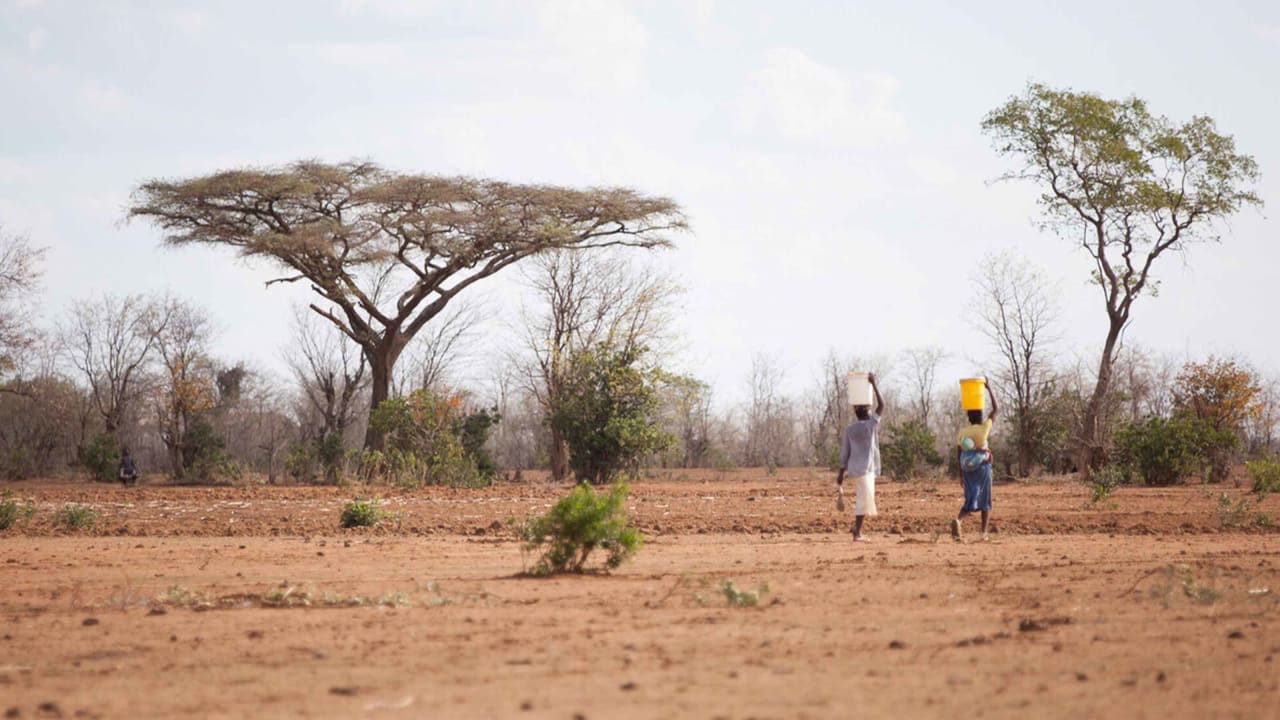

Using photography and storytelling, visualising security allows communities and individuals from different countries to creatively explore what security looks like to them, develop social actions that meaningfully address security, and contribute to the shifting security narratives project.
Tearfund’s shifting security narratives project invites churches and communities to dig deeper into ideas about security and Biblical responses to security. Images allow people who might never have been asked what is important for their security to represent their own ideas. This can provide valuable information to inform security-related advocacy, both within each country and globally.
Why this was done in Zimbabwe
Zimbabwe gained political independence in 1980, and has struggled to achieve economic and social freedom ever since. The economy and politics are inextricably linked in Zimbabwe, and the country will be unable to recover unless the two sectors are addressed in tandem. Young people aged under 25, who make up 62 per cent of the population, are most affected. There has been no significant economic growth in their lifetime, and they have also faced the challenges of unemployment, lack of opportunities, a culture that has been punitive to youth efforts and decadent in moral values and ethics. The poor performance of the economy negatively affected the livelihoods of both rural and urban households, and 54 per cent of the households are reported to be food insecure.
Sexual and gender-based violence has increased since 2020. Reasons for this include entrenched patriarchal practices, both cultural and religious, that cast women in subservient roles. Other issues such as poor economic performance have resulted in families failing to grow sustainable livelihoods, causing conflicts and stress in families, prevalence of early marriages, and sexual exploitation and abuse.
Tearfund has been partnering with local churches and faith-based organisations in Zimbabwe to address the root causes of conflict by promoting and rolling out resilient livelihoods, ensuring strengthened relationships with God, with each other and the environment, addressing gender-based violence and influencing stakeholders to adopt gender-based violence mitigation measures.