

Tajikistan

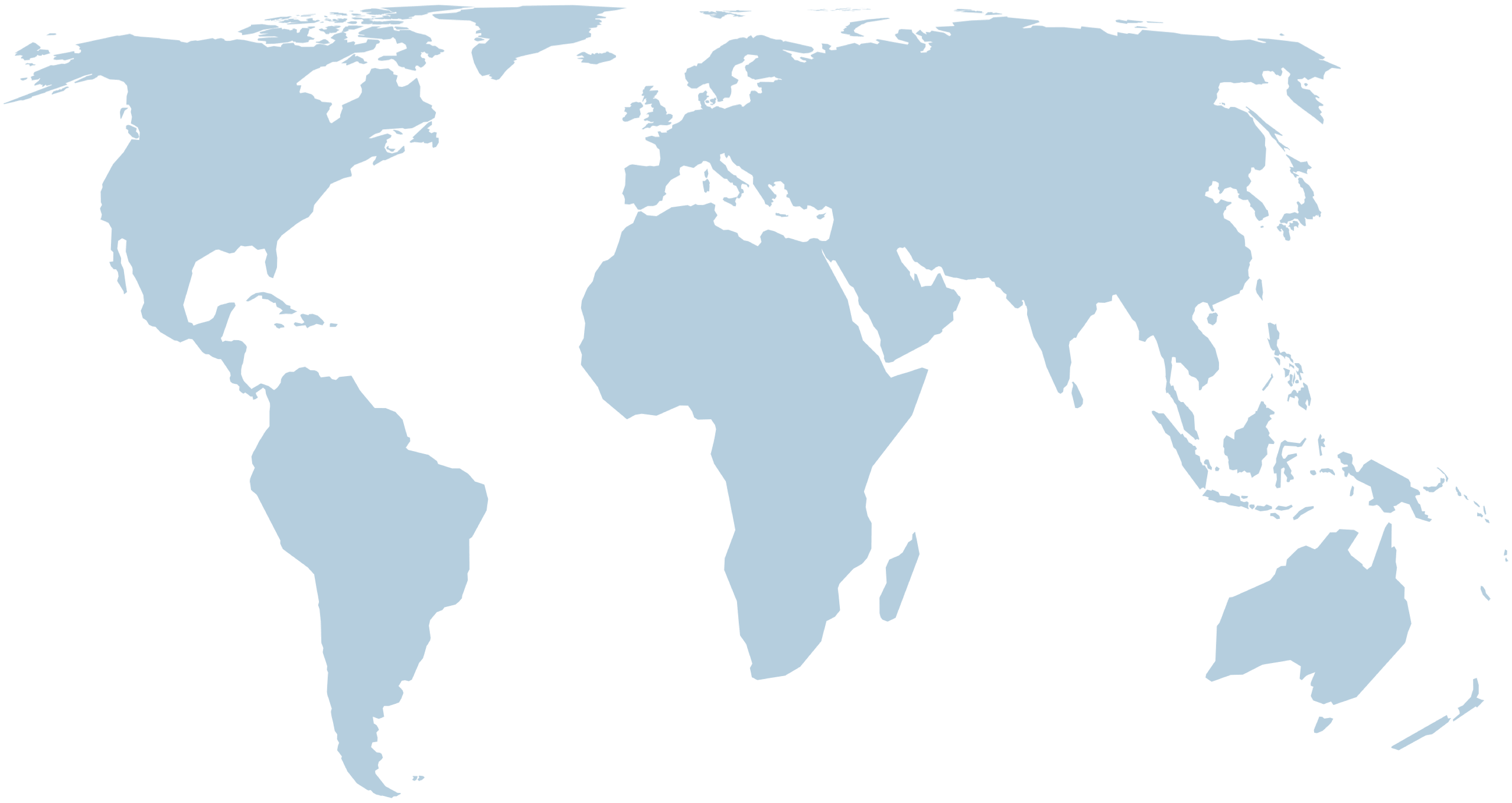
Map of Tajikistan

Population: 6.952m
Life expectancy men: 65.1 years
Life expectancy women: 70.4 years
Infant mortality rate: 5.64%
GNI per capita: 956.5 US$
HDI ranking: 127/187 Med
What are these?

Though once part of a superpower, Tajikistan, in Central Asia, has a long history of poverty. The republic had the lowest per capita income in the USSR and the highest percentage of people living in poverty. The collapse of the USSR in 1991 brought independence to Tajikistan, yet much of the Soviet political heritage has continued. 

Tajikistan’s economy has improved considerably since the end of its civil war in 1998. It has little industry, but more than 90 per cent of its land is mountainous and difficult to farm. The country suffered drought and crop failure when rains failed in 2001, threatening 1 million people with starvation. In 2000, Tajikistan experienced its worst drought in 74 years.

A major fault-line runs through Tajikistan, and all the country’s main towns and power stations are on it. Earthquakes in the capital Dushanbe occur on an 80- to 130-year cycle; the last one, measuring 7.4 on the Richter scale, happened in 1907. Tajikistan is also at risk from landslides, floods, avalanches, heavy rains and erosion.

The area is a major transit point for drug smuggling from Afghanistan to Europe. Prostitution is common, and children are being drawn into it. In Tajikistan, the absence of a law banning child sex work makes these children very vulnerable.

More on Tajikistan

Latest on Tajikistan on our website.