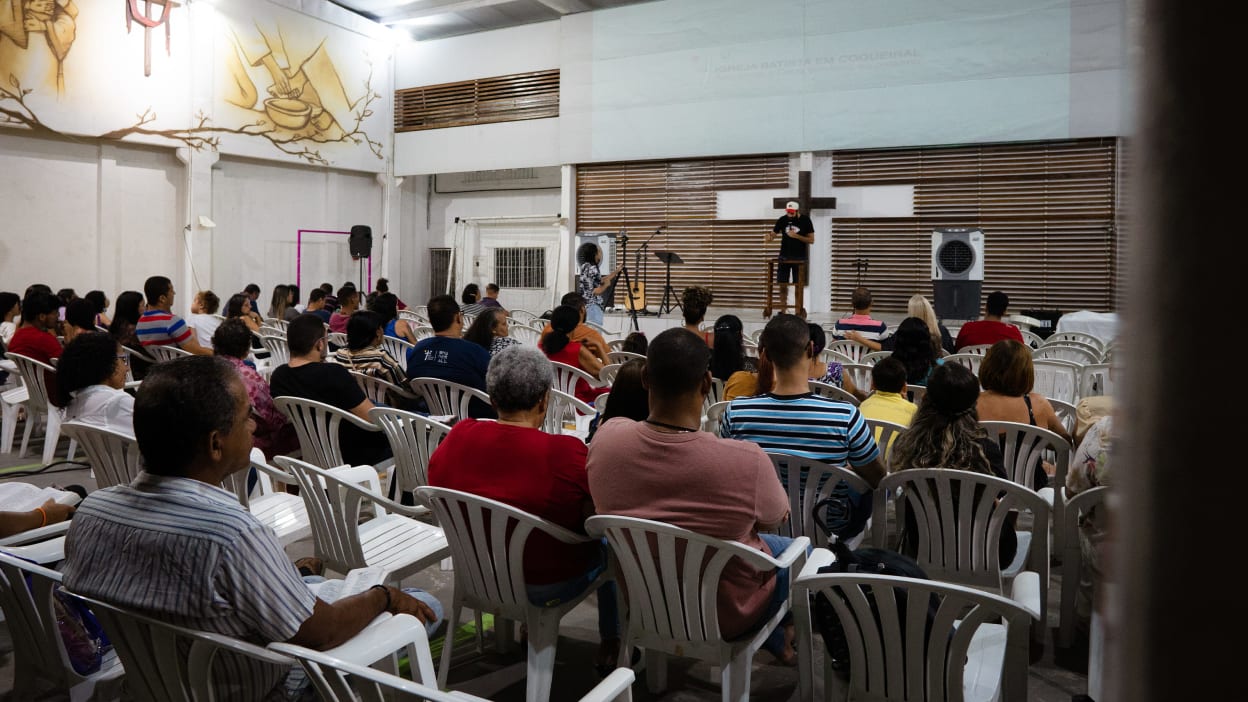
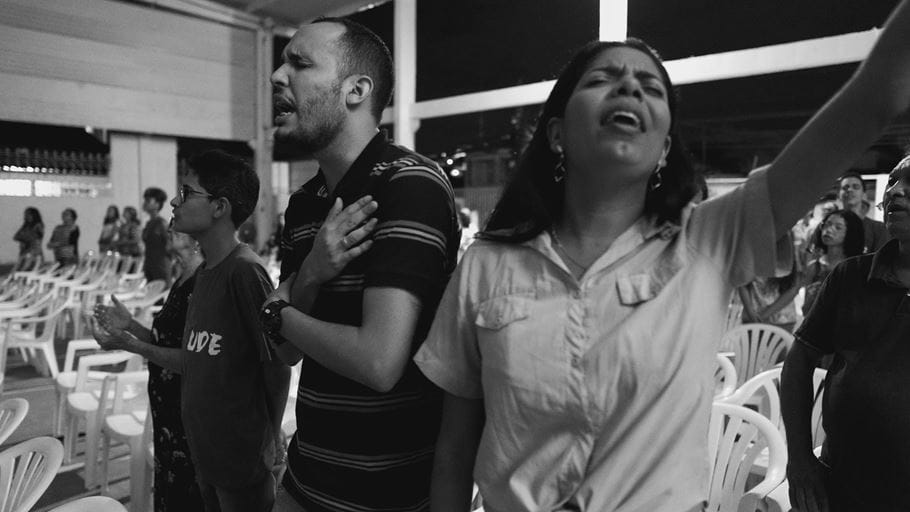
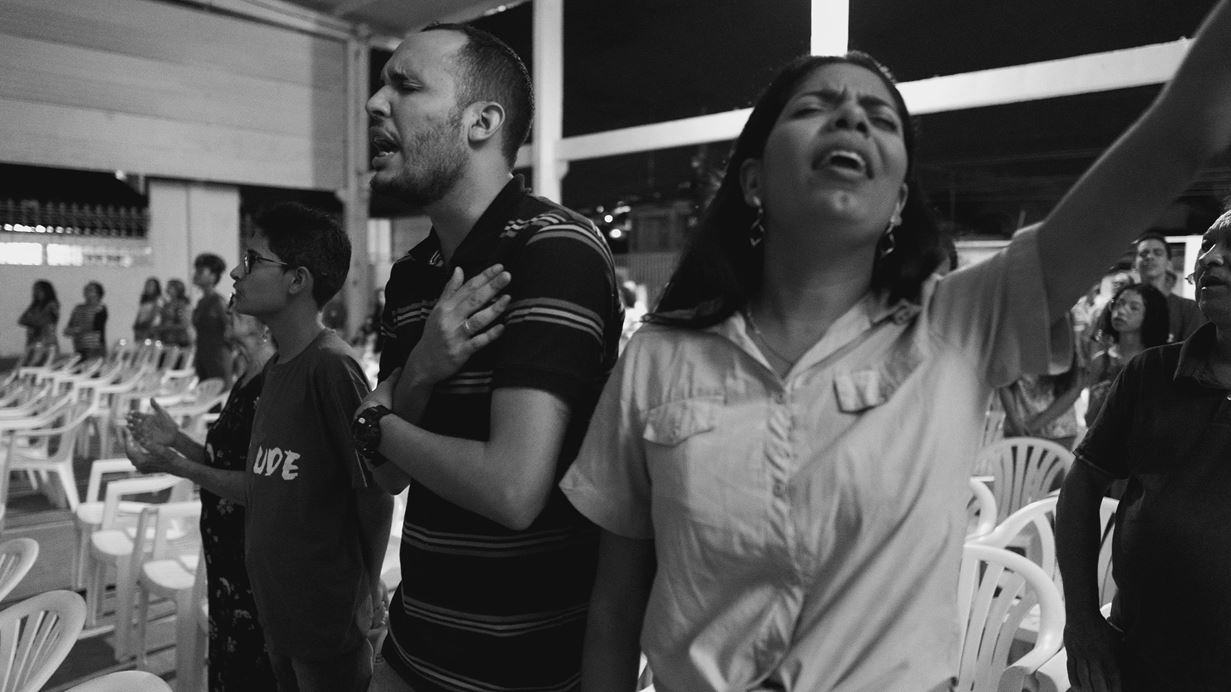
Yet, even this church was once complicit in the environmental damage. Disposable cups and cutlery were useful in a busy church with its many social projects – until the church started joining the dots, says Josias.
‘We understand [now] that the use of plastic is one of the worst harms being done by humanity to God's creation today, and that if we treat God's creation like this we sin against him as holy creator,’ says Josias.
He believes, like Tearfund, that God’s restoration plan – in which he is ‘reconciling the world to himself in Christ’ and giving humanity ‘the ministry of reconciliation’ (2 Corinthians 5:18–19) – is for the whole of creation.
‘It makes no sense to worship God and not love your neighbour, and your neighbour is nature. Because God’s salvation plan relates to everything he created.’
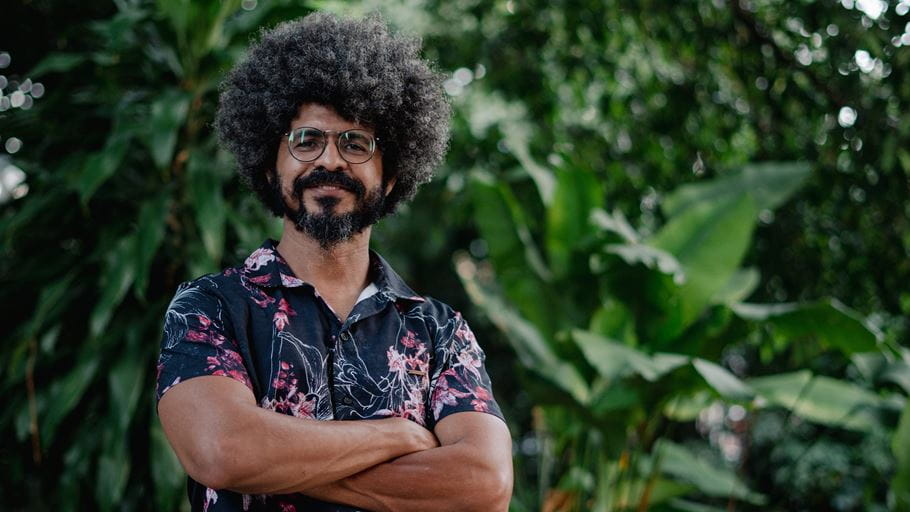
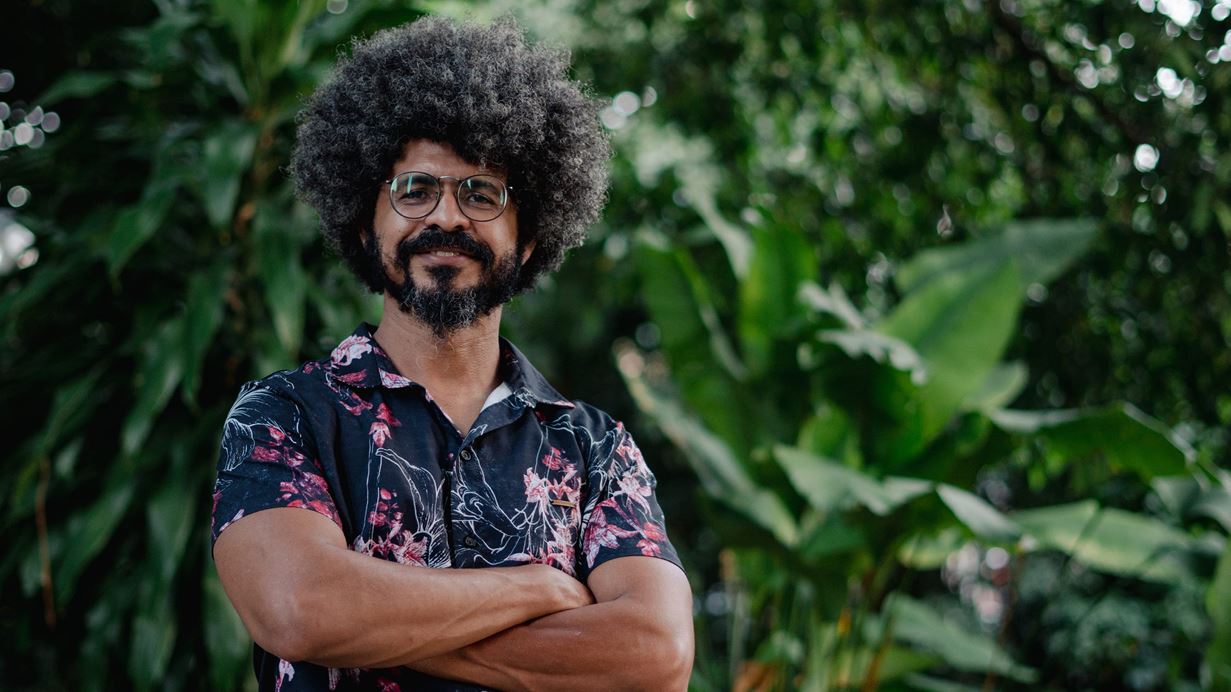
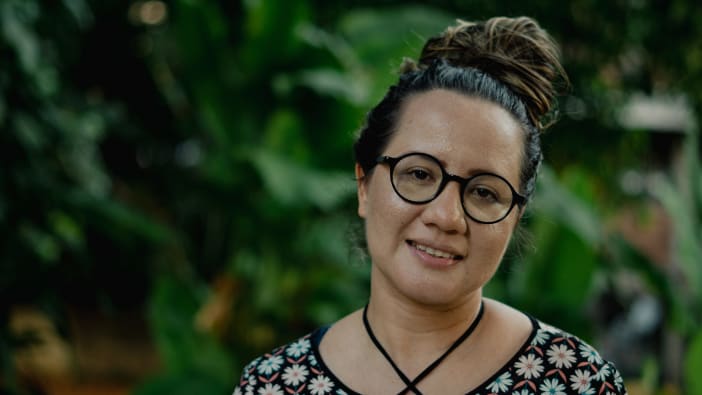
Dálethe Melissa, a university student and member of the Environmental Team, agrees. ‘The whole of creation groans with labour pains, as it says in Romans 8… We have to understand this process and it’s very important, because that’s how we can start to seek to coexist more harmoniously.’
Influencing the local church
The Environmental Team have led the way, talking about their own lifestyle choices and suggesting plastic-free swaps. The Preaching Team include creation care in their talks, their messages reinforced through audiovisual campaigns and social networks such as WhatsApp.
And, little by little, things are changing. When the church celebrated the 20th anniversary of Pastor José Marcos’s leadership, members decided not to serve soft drinks in disposable cups as they would have previously.
People from the community who visit the church for its many social projects are also noticing the absence of disposables – and bringing their own reusables.
Melissa is excited about this ripple effect. ‘Seeds were planted in the hearts of people who are already modelling beautiful attitudes here within the church … and this seed is already being germinated in other parts of the community. We can't measure this, but we can dream that it will spread further than we could ever imagine.’
In fact, Coqueiral Baptist Church’s influence now extends far beyond Recife.
A church study group set up alongside its Clean River, Healthy City campaign became a Christian youth group, We in Creation (Nós Na Criação). This has grown into a Latin America-wide youth movement, which works with the local church to help it live out its faith in harmony with creation.
Dálethe Melissa, the movement’s executive secretary, believes passionately in the potential of the local church to transform communities’ attitudes to the environment.
‘As signposts to the Kingdom of God, we need to become subjects of transformation and people who tackle the climate crisis and the environmental crisis,’ she says. ‘We need to change the way we relate to creation, denouncing the unjust structures that take pleasure and profit from violating creation, and transforming our local communities. This is our invitation to the church.’