Skip to content Skip to cookie consent
Tearfund home
Donate

More than just surviving: Judith in Central African Republic

16 Days of Activism against Sexual and Gender-based Violence: read Judith’s story of surviving and moving forward.

Written by Tarryn Pegna | 19 Nov 2025

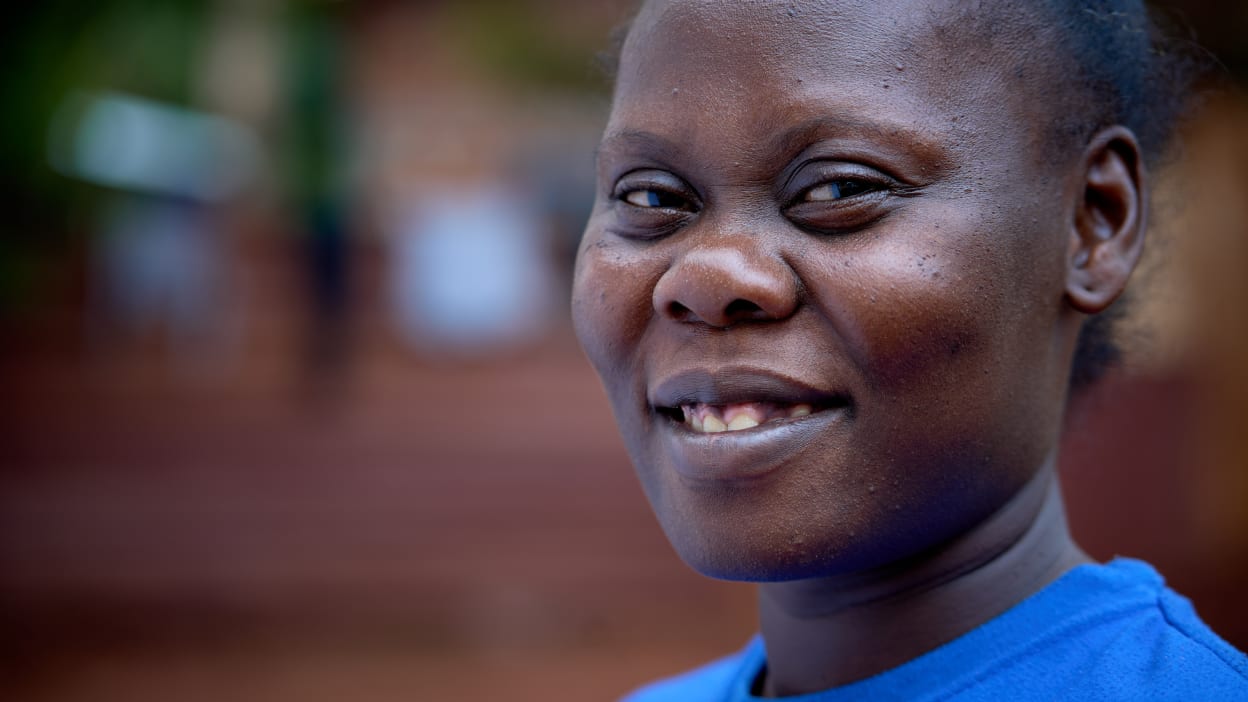
Portrait of a smiling Black woman with dark skin and a blue shirt, against a blurred background.

‘I now give advice to young people to make good choices in their lives so they can build a better future.’ Judith in the Central African Republic (CAR) is using the lessons she has learnt from overcoming difficult experiences to help others. Credit: Elijah Muweza/Tearfund

Around the world, an estimated 736 million women are living with the scars – emotional, psychological or physical – of physical and/or sexual violence. That’s one out of every three women.

They are in every neighbourhood, in every walk of life, and though they may have survived, they are more likely to suffer depression, anxiety disorders, unplanned pregnancies, sexually transmitted infections and HIV.

And while women and girls are disproportionately the victims of this abuse, men and boys are also affected.

The consequences of sexual and gender-based violence (SGBV)* are far-reaching and long-lasting.

The place for faith in SGBV

But our faith compels us to believe there is hope for each survivor.

Our faith calls us to stand for and with each person who has faced (or continues to face) such abuse. And it requires us to act.

To be the hands and feet of Jesus, showing love in the most practical ways, where it’s needed most.

For Judith, in the Central African Republic (CAR), her healing and restoration after the emotional and physical violence inflicted on her is being built day by day with the help of a loving family and a training centre set up after one woman received training from Tearfund.

This is her story.
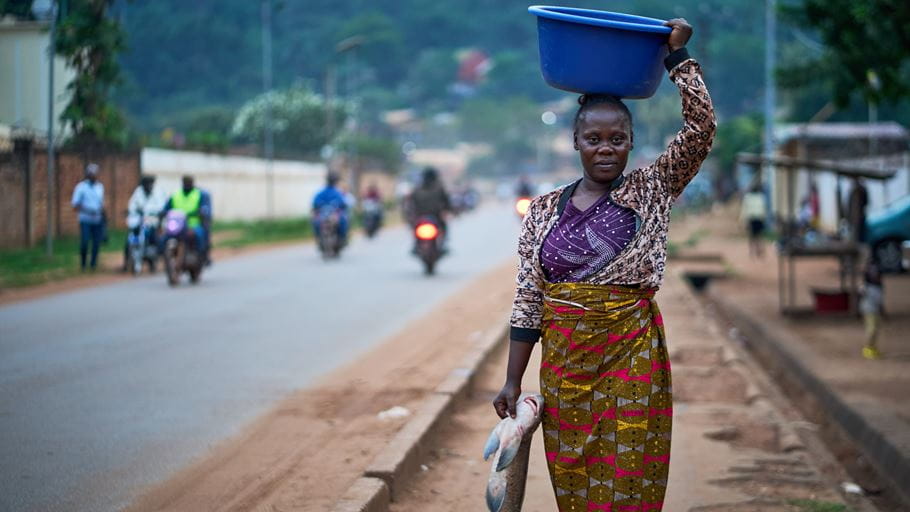
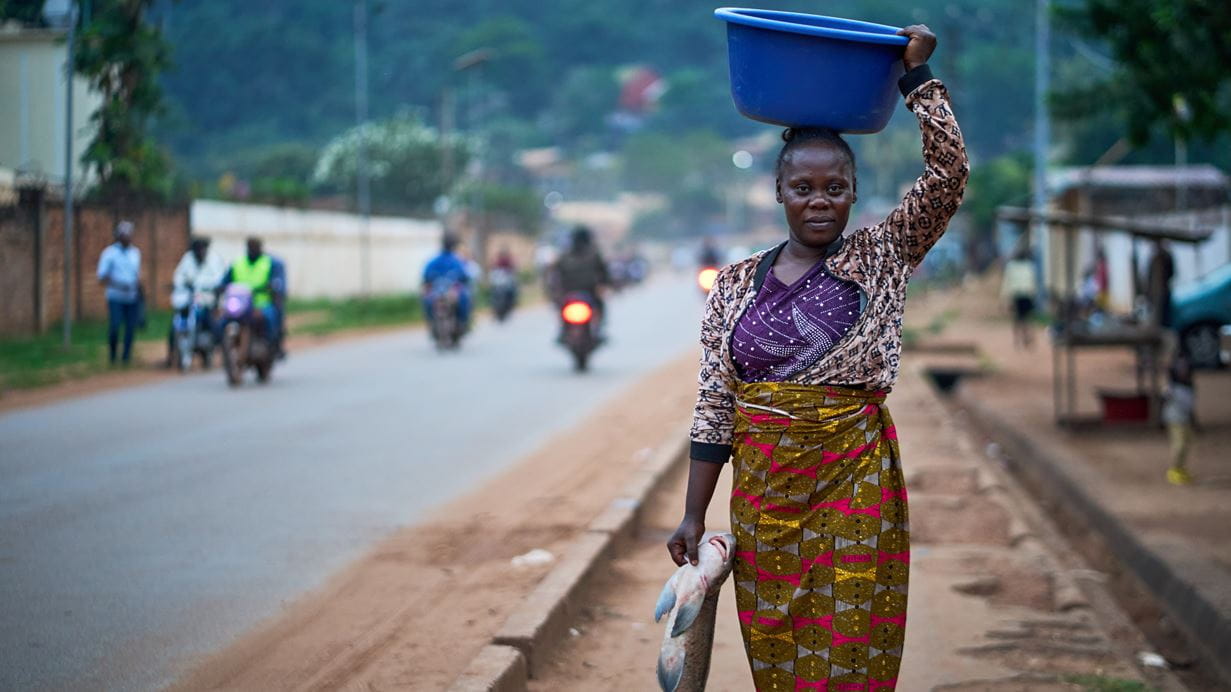
Woman carrying a blue basin on her head and holding fish on a road in an African village.

Judith carries freshwater fish to market to sell so she can make a little bit of money to provide for her family. She hopes one day to be able to have a tailoring business, using the training she’s received through a centre set up after Tearfund training. Credit: Elijah Muweza/Tearfund

Judith’s story of starting again

‘My name is Judith. I'm 27 and I have two children. I live with my boyfriend in Bangui. I sell fish, and I'm also learning to count in Sango and how to tailor at the centre.

‘Every day, I go to the riverside to buy freshwater fish, then I sell them at the market until the evening. On school days, I go to school first, then I change, get the fish, and head to the market. I do this every day to provide for my family.

‘My boyfriend's at university, so I'm the main earner. When he's on holiday, he helps out as much as he can, but most of the time, it's down to me to provide.

‘I grew up in my parents' home. We had a close and happy family. We were blessed because they were committed Christians. They did their best to provide for us, even when they didn't have much. God's blessing was always with them.

‘They sent me to school, paid my fees, and I even went to university to study human resources.

Harmful ideas of home

‘In my third year, I got pregnant with my first child. My parents wanted me to carry on with my studies, but my boyfriend was against it. He wouldn't let me.

‘By then, I'd already moved in with him. He told me I had to stay at home for our relationship to work.

‘One day, I decided to go back to school, and he followed me there. He even went to my parents' house to tell them I wouldn't listen to him, and that if he were the father of my child, I had to obey him.’

‘For him, men should be the ones who work and bring money into the family, while women submit to them. Even if men do wrong, we can't do or say anything.’
Judith, SGBV survivor, CAR

‘I went back to his house because I wanted our family to succeed, but he started abusing me, both physically and mentally. He was a drunk. Even though he was studying medicine, he didn't act like he cared about human life. He didn't behave like someone with an education.

‘My boyfriend used to tell me he'd never agree to me finishing my studies, in case I got a job and earned money. Because then there would be two leaders in the house. For him, men should be the ones who work and bring money into the family, while women submit to them. Even if men do wrong, we can't do or say anything.

‘The time I spent with him was the hardest I've ever had. He'd beat me. He was unfaithful. He tried to give me pills to abort the baby.’

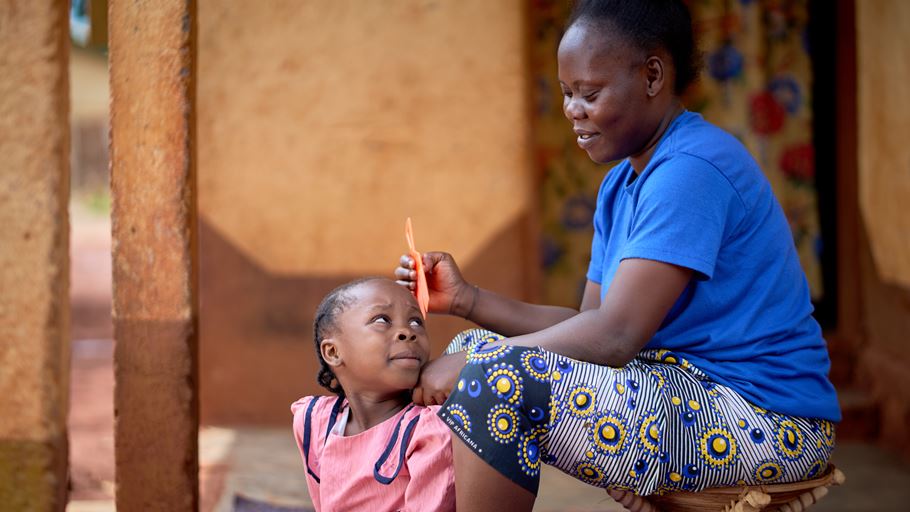
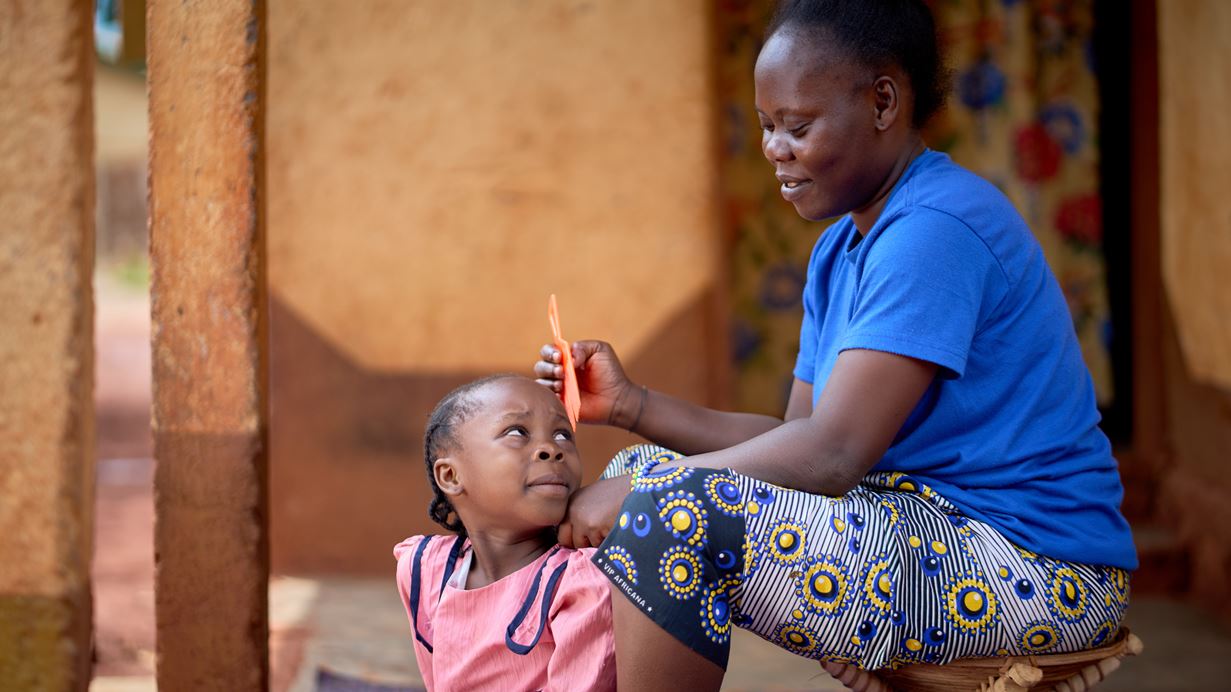
A woman combs a young girl's hair outside a home. Both are smiling and the girl is looking up.

Judith braids her daughter’s hair. Credit: Elijah Muweza/Tearfund

‘After three months, I decided to leave him. My parents supported me. My father was really angry with him and backed my decision. We separated. We haven't been in touch since then. I gave birth without him, and he's never come to see his daughter.

‘My parents have been looking after her and me. To this day, they still help with her. My father was the first person I told when I found out I was pregnant. He's a pastor. Then he told my mother. They were both angry and disappointed.

‘Getting pregnant out of marriage as a pastor's child was shameful for me and my family. It wasn't easy to accept at first. My fear was what people would say, how it would affect my father and the family. How would he be seen by the church and society? I was very sad, disappointed in myself. I felt ashamed. Like I'd failed myself and my family.

‘I haven't been able to go back to school to finish my studies. After I gave birth, I started doing little businesses, selling things here and there, so I wouldn't be a burden on my family. But I've lost my confidence.

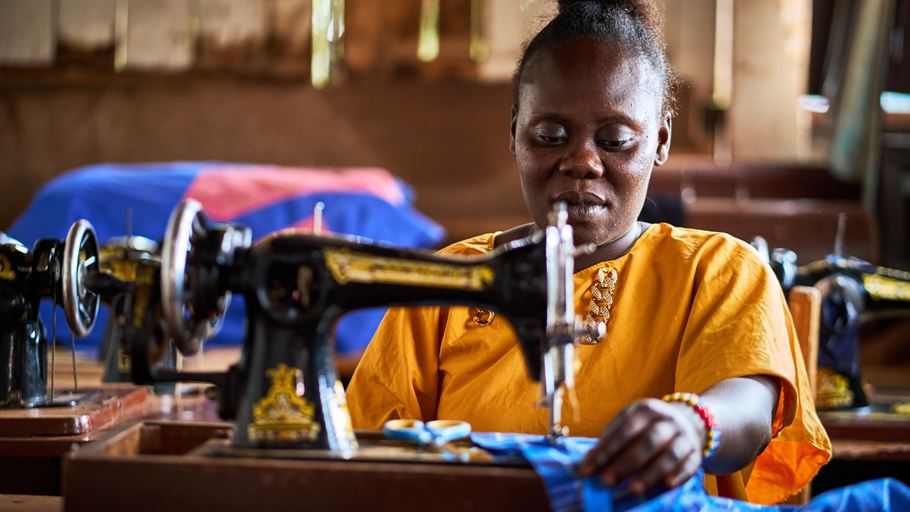
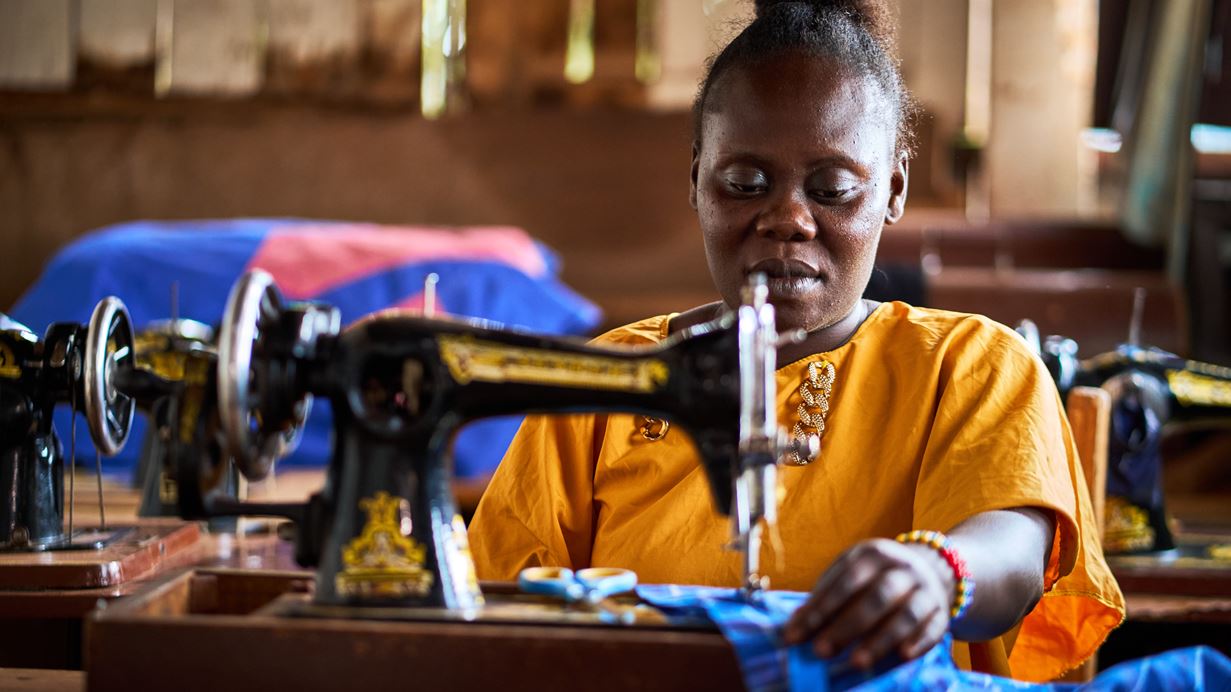
‘I got interested in the training centre because it was a way to learn more skills. Even though I knew how to read and write, I wanted to get vocational training. With tailoring, I feel like I'm getting a skill that will help me put food on the table. Being with other girls and women and learning together is empowering, and we support each other. Most of us have been through tough times. But we have hope.’

Woman in orange shirt sewing with vintage machine. Other sewing machines in background.

‘I got interested in the training centre because it was a way to learn more skills. Even though I knew how to read and write, I wanted to get vocational training. With tailoring, I feel like I'm getting a skill that will help me put food on the table,’ says Judith in CAR. Credit: Elijah Muweza/Tearfund

A model of a healthy relationship

‘Our country needs women working for our society, not just men. I like how my parents live; they work together, support each other, and agree on how to move forward. When my father does something, my mother contributes too. They share their ideas and work on them together, and that's helped our family to be stable and united. I'd like to be in a relationship like that.’

‘Being with other girls and women and learning together is empowering, and we support each other. Most of us have been through tough times. But we have hope.’
Judith, CAR

‘My new partner is also a pastor's child. We both like to pray, and he likes to joke and tease me. We have a good relationship, but he's still a university student and doesn't work. So all the household expenses are on me. We live in a house that belongs to my parents. They rent it out and they’re letting me stay in it to make it easier for me. I try my best to earn something, but it's not easy. I also have a new baby boy who is seven months old. I'm happy in my new relationship, but there are many challenges.

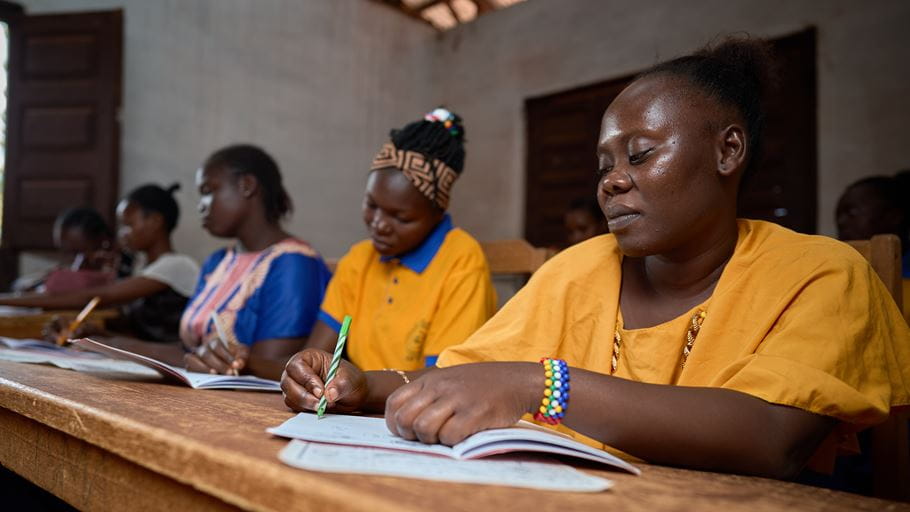
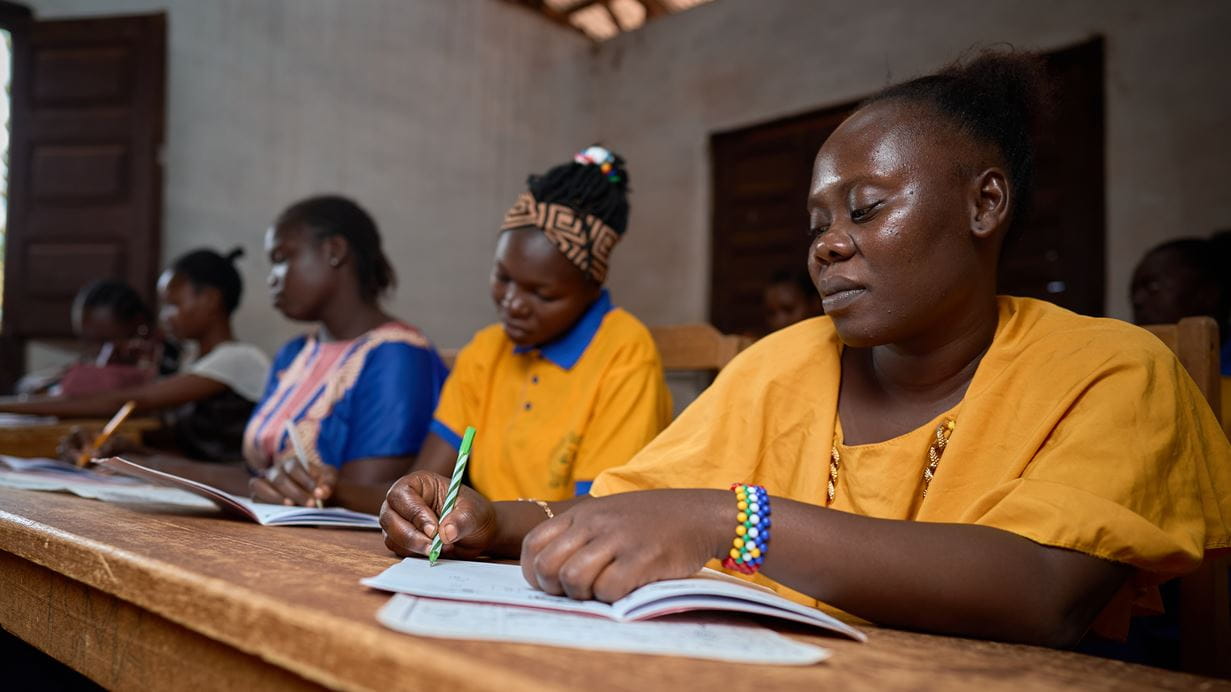
‘Being able to study at the training centre will open new doors for me because of the skills I'm learning. Besides literacy and tailoring, we've learned knitting. Mama Esther shares all her skills and gives us good advice to help us be strong, have hope, and aim for good things. I hope to have my own tailoring workshop one day soon and make beautiful outfits.

‘I now give advice to young people to make good choices in their lives so they can build a better future.’

African women in classroom, writing in notebooks on wooden desks, wearing colorful clothes.

'Being able to study at the training centre will open new doors for me because of the new skills I'm learning,’ explains Judith. Credit: Elijah Muweza/Tearfund

*What is sexual and gender-based violence (SGBV)?

SGBV refers to a wide range of acts that violate people’s human rights, including the sexual abuse of children, sexual assault and harassment, domestic violence, rape and forced marriages. It includes any abusive act, attempted act or threat of a sexual, physical, emotional or economic nature directed at a person because of their gender identity, using coercion, power/authority or force without consent/against their will, having or likely to have harmful consequences.

Pray with Judith

    • Please pray for our family so we can find a way to earn enough money to feed our children and look after them well.
    • Pray for my husband to get a job when he's done with school. In our country, even if you have a degree, there are not enough jobs.
    • Pray for my country. There are presidential elections coming very soon. Please pray for peace and security during that time, and for lasting peace.

Written by

Written by  Tarryn Pegna

Share this page

Share this page to spread the word and help support those in need.

Get our email updates

Learn about our work and stay in touch with Tearfund. Hear about our news, activities and appeals by email.

Sign up now - Get our email updates