Twelve-year-old Ali* and twelve-year-old Sania* come from different parts of the same city in Afghanistan. They don’t know each other, but they used to share a similar, painful reality: they felt trapped in their own homes.
The weight of being hidden away – Ali and Sania’s story
For Ali, life in Afghanistan was lived in silence. Because he’s hearing-impaired, he was often mocked by neighbours or called ‘crazy.’ His parents felt helpless, unable to protect him from the verbal abuse around him. They felt there was no hope for his situation.
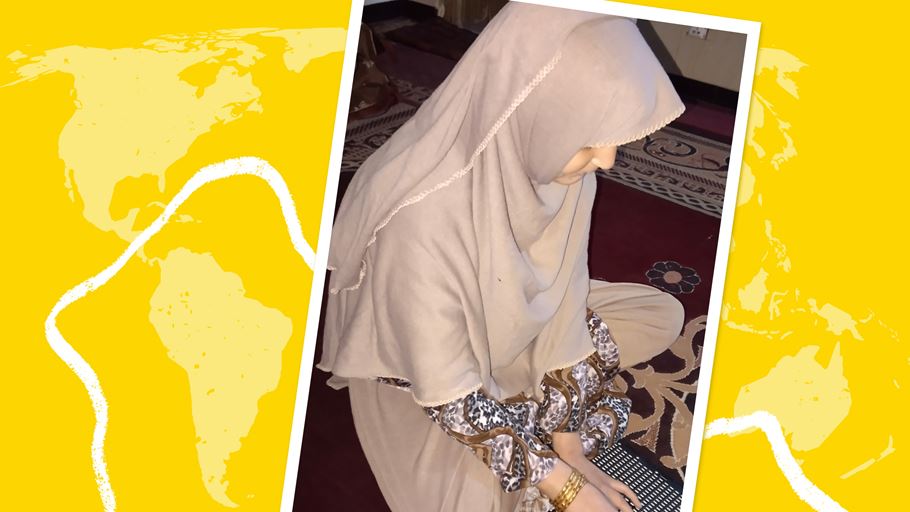
For Sania, being visually impaired meant her world was confined to her house. She wanted to go outside and play with other children, but she couldn’t move around safely. This forced isolation made her feel suffocated and lonely. She often cried from the frustration of her circumstances.
Education is often out of reach for children with disabilities in Afghanistan. A combination of ill-equipped schools and a lack of understanding in some communities means many children are excluded from learning entirely. This doesn't just isolate them from their peers – it prevents them from gaining the vital skills needed to one day earn a living and escape poverty.
For families already struggling with the country’s economic crisis, the added challenge of a disability can feel like an impossible weight to carry.
How your support is making a difference
Tearfund has been working in Afghanistan through local partners for many years, responding to disasters and supporting communities to meet their basic needs. But we know that ‘basic needs’ go beyond just food and shelter. They include literacy and life skills that give a child more freedom to aspire, and to be seen, heard, and valued.
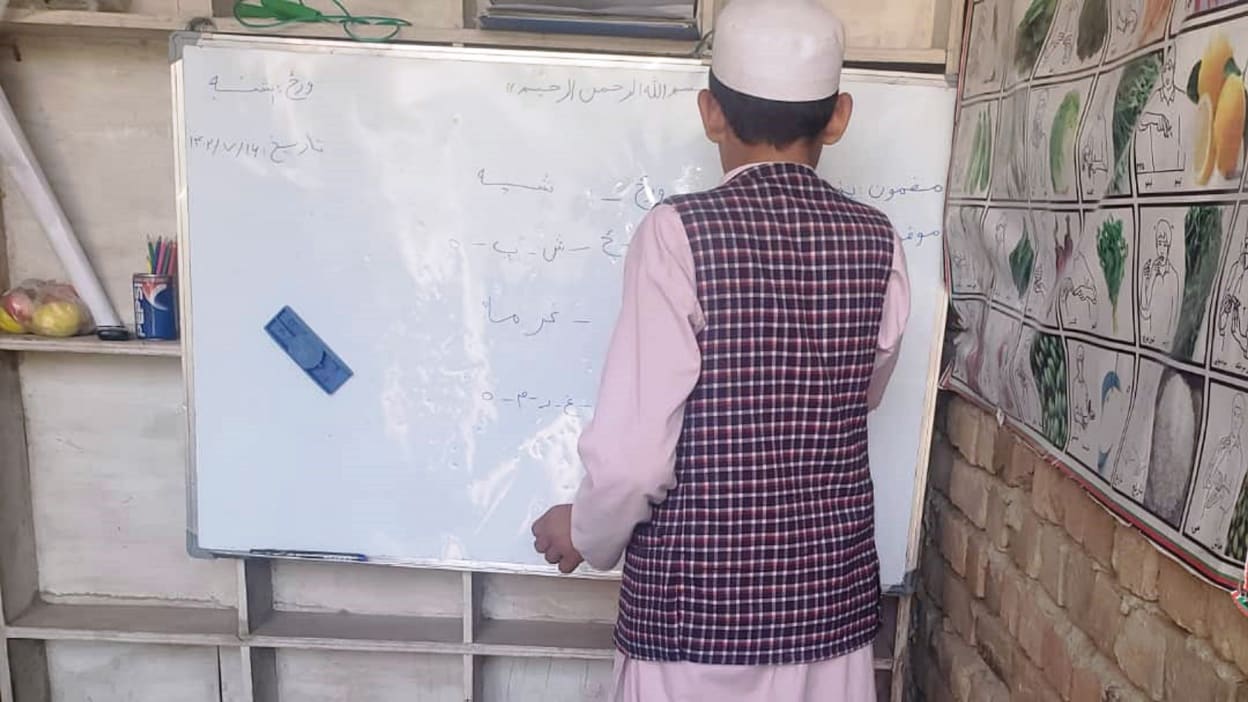
Our partners are experts in finding those who need special care and support. For Ali, the partner’s staff visited his father. They offered Ali a place in a suitable programme to kickstart his education and provided him with a dedicated teacher who began teaching him to read, write and use Afghan Sign Language (AFSL) to communicate.
The change in Ali’s life has been radical. Ali is no longer the boy being mocked by his community. He’s been given new hope through education, and even goes to the grocery store to buy food using his newfound sign language skills.
‘Ali has now improved in all aspects of life,’ his father shares. ‘He has developed good social skills and is able to communicate with other people.’ Ali is no longer stuck at home, and has access to the education he deserves.
Opening the door of hope
For Sania, our partner brought the support to her in her home. Through a female teacher, she began learning to read and write with braille. They even helped her learn to walk safely and independently, as well as feel confident in her environment.