Skip to content Skip to cookie consent
Tearfund home
Donate

The young people planting resilience: growing a new future

How young people in Zimbabwe are growing resilience and change in the face of our shared environmental future.

Written by Joan Kariuki, Church Advocacy Team | 07 Aug 2025

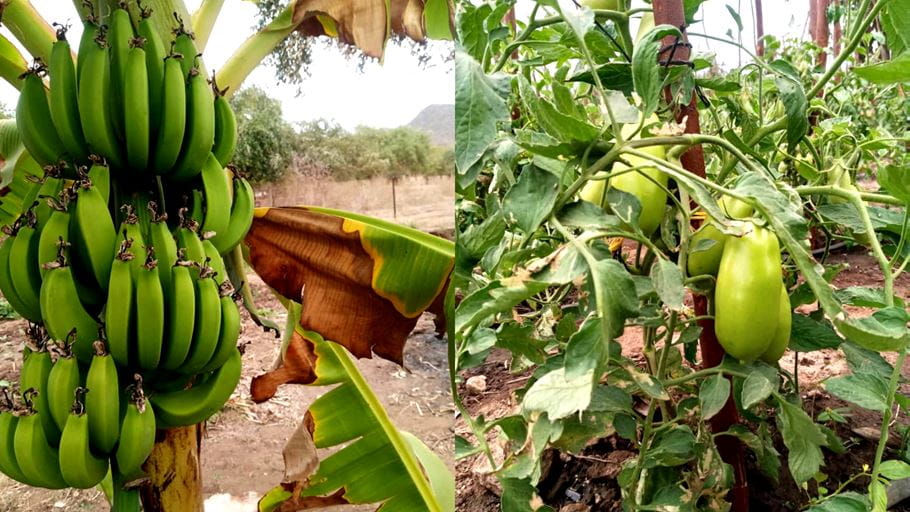
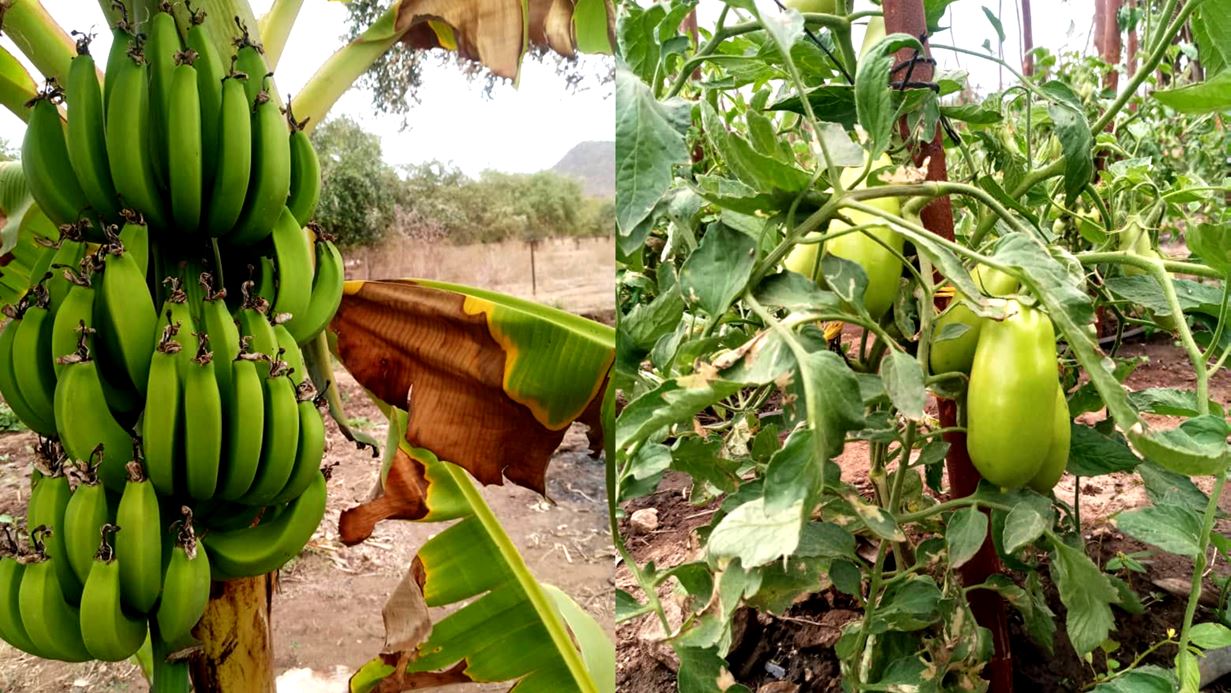
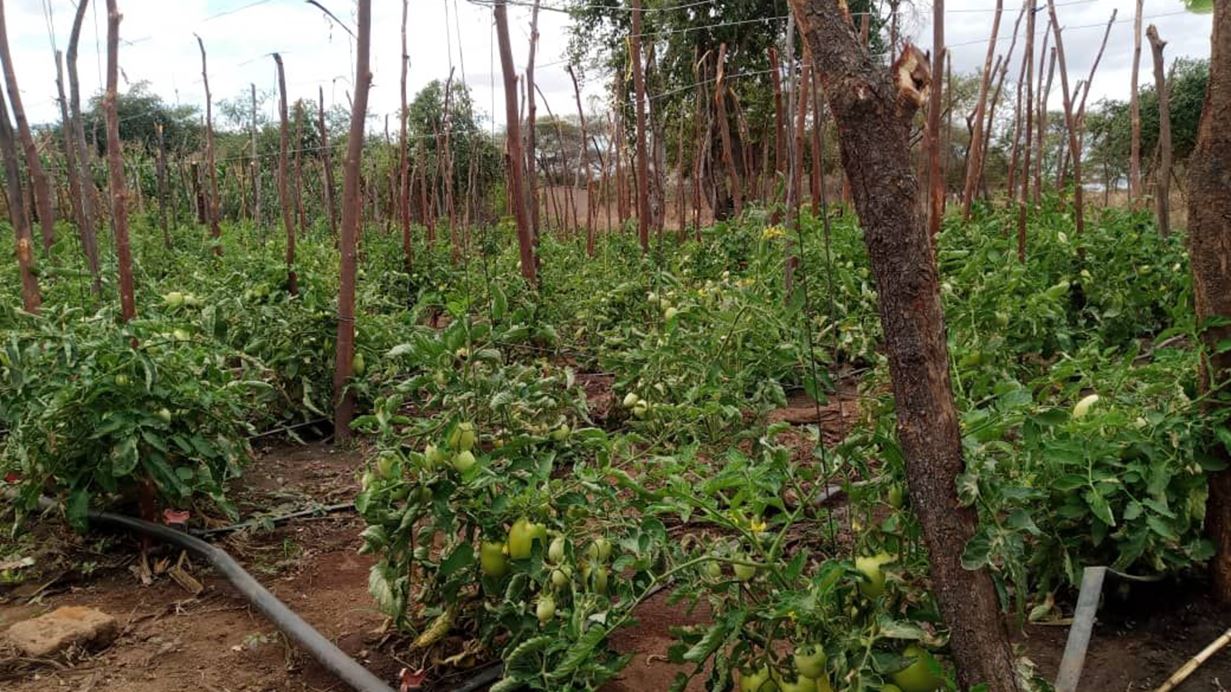
Crops growing in Mbire Garden. Credit: Pastor Sheba Muchabaiwa and Pastor Mutawu

Imagine living in a place defined by extremes. Where temperatures soar, winds are strong, and rainfall is desperately low and unpredictable. This is the reality for communities in Mbire District, Zimbabwe. For years, they have faced severe droughts, leading to acute food shortages. Their reliance on rain-fed crops, like maize, in this challenging climate has made food insecurity a constant threat and the situation has left people dependent on food assistance for their survival.

But, what if the response to such harsh conditions wasn't just reliance on external aid, but cultivating resilience from the ground up?

What if it was about taking theories on climate-smart agriculture and turning them into tangible, life-giving reality?

This is the idea behind the Mbire Garden initiative where hundreds of young people are learning and taking action to find solutions to issues of food insecurity and the climate crisis.
The Mbire Garden: growing resilience (and food)

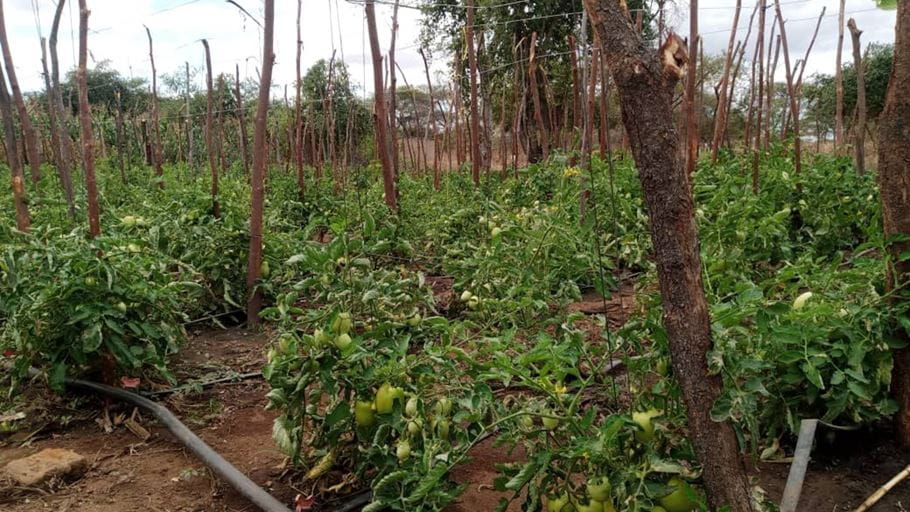
Located in Mahuwe, the Mbire Garden isn't just any garden. It is a response to both the urgent needs of the local community and a desire to demonstrate how practical solutions to climate change and food insecurity can work.

A local pastor, who is part of Tearfund’s Transforming Communities training, came up with the idea when working alongside the Tearfund-supported Zimbabwe Environmental Care Network (ZECN) and the Zimbabwe Church and Community Transformation Network (ZCCTN).

With help from Tearfund training on movement building, advocacy and media engagement, and with support from Tearfund’s Zimbabwe office to help design activities with the greatest impact, the team chose an organic approach, focusing on environmentally friendly practices to improve the soil and provide people with nutritious food. And they were also determined to create a model that was sustainable and cost-effective, using what was already available to them.

They incorporated locally available resources – like unused land and empty plastic bags for construction – and they leveraged the valuable time and skills of community members who contributed their labour.

They combined organic techniques like composting and cow-dung tea with traditional farming practices and local knowledge. The goal was a contextually relevant and sustainable model.

Crops growing in Mbire Garden. Credit: Pastor Sheba Muchabaiwa and Pastor Mutawu

The Mbire Garden now serves multiple purposes:

  • It's a vital education and demonstration site. After years of talking about smart agriculture and climate resilience, this is where theories become visible, touchable projects.
  • It's a strategic way to engage the government. By creating this positive, visible project, government departments began engaging, opening safer avenues for further work.
  • Crucially, it directly builds climate resilience. Techniques like mulching, composting and crop rotation help the soil retain precious moisture and reduce erosion in this dry, windy environment. They are even practicing plasticulture as a way to adapt to water challenges.

The impact of this project has been remarkable. By building a critical relationship with a local partner, they equipped the 0.8 hectare organic garden with a solar-powered borehole and drip irrigation system – a vital source of water in a water-scarce region.

This now provides water not just for the garden, but for nearby community members, local schools and even government departments like the police, army and health ministry. Over 660 community members and 700 students directly benefit from access to clean water.

Crops growing in Mbire Garden. Credit: Pastor Sheba Muchabaiwa and Pastor Mutawu

Agents of change: young people actively shaping the future

The Mbire Garden project is now a hub for training on conservation agriculture, disaster risk reduction and resource mobilisation. And here's where the future is being actively shaped: more than 245 young people have been trained through this initiative.

These young people are not just learning; they are taking action, with some already starting their own gardening projects. They are becoming agents of change and resilience in their own right.

Stories like this, and also like this one about the thin plastics ban in Malawi, highlight the power of investing in and empowering young people – they are the key to growing resilience and change in the face of our shared environmental future.

Whether by tackling national environmental legislation through strategic advocacy and legal battles, or building climate resilience and food security at the community level through practical, collaborative initiatives, the journey is often challenging but can lead to transformative change.

Pray for young people bringing change

    • Pray for young people everywhere to be inspired to look around them and find solutions to the issues facing their communities and our world. Pray that they will be infused with hopes, dreams and creativity, rather than discouraged by the difficulties they encounter.
    • Lift up programmes that seek to train young people and equip and empower them to make sustainable, impactful changes in their local communities and further afield.
    • Ask God to raise up leaders from the emerging generations who will hear his voice and be filled with his wisdom to bring long-term solutions that allow their communities to thrive.

Written by

Written by  Joan Kariuki, Church Advocacy Team

Church Advocacy Team

Share this page

Share this page to spread the word and help support those in need.

Get our email updates

Learn about our work and stay in touch with Tearfund. Hear about our news, activities and appeals by email.

Sign up now - Get our email updates