
Fifteen years of violent attacks, kidnappings and extortion by various non-state armed groups have left whole segments of Nigeria’s population facing a major humanitarian crisis.
More than 7.8 million people*, mostly women and children, don’t have basic necessities such as food, clean water and shelter.
Already, in the first half of this year, the National Human Rights Commission in Nigeria reported 2,266 deaths from banditry** and insurgency. This exceeds the number for the whole of 2024.
Farmers, herders, violent insurgents: the struggle for land
Violent clashes between herders and farmers have escalated as land for farming and grazing, which was already scarce, continues to become even more so because of damage caused by climate change and increased need for space as the population grows.
Herders and farmers fight each other for land, and then attacks by insurgents (non-state armed militia groups) force all of them to flee, making things even worse.
The situation is particularly difficult in the Middle Belt region, where ethnic and religious divides deepen the conflict. In Plateau and Benue States, mass killings claimed the lives of more than 100 people in April and over 150 in June.
Fear and lack: a need for peace and provision
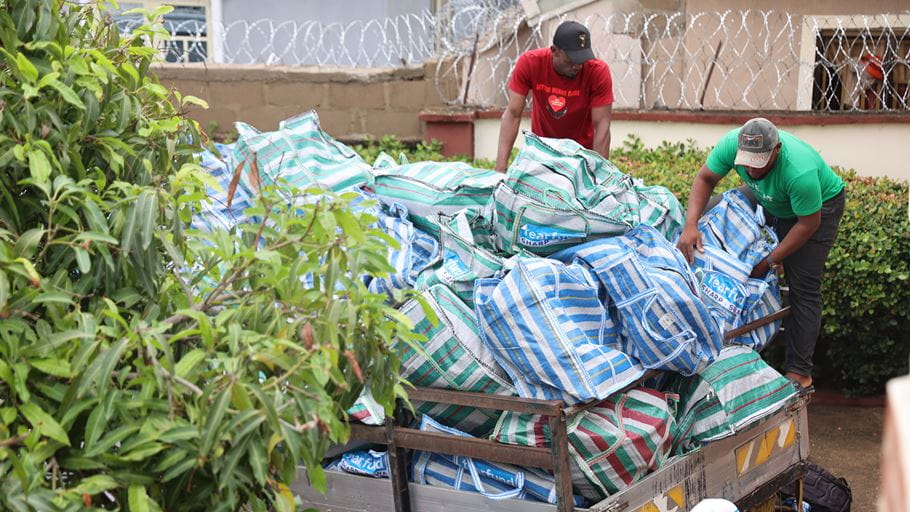
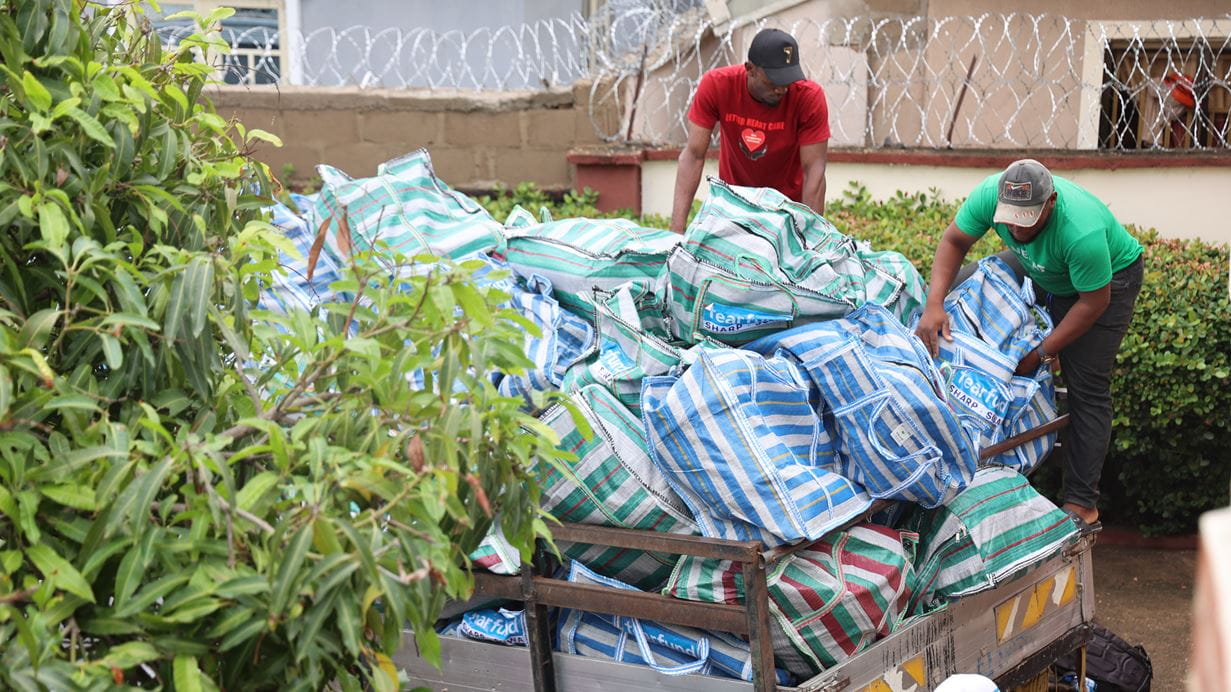
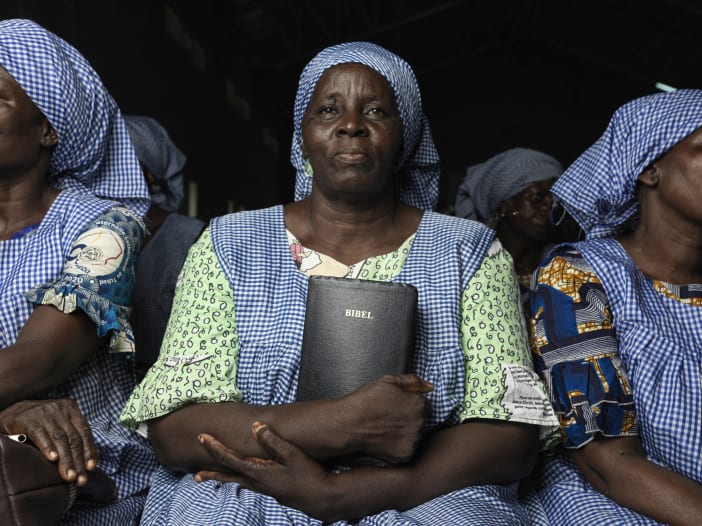
Many people who have had to run for their lives find themselves with nowhere else to go but temporary camps. They live each day caught between fear of attack and a devastating amount of lack.
There is an urgent need for coordinated peace and humanitarian interventions across Nigeria.
And this is what one Tearfund project has been trying to help address.