Skip to content Skip to cookie consent
Tearfund home
Donate

Hope in the hills: A health centre saving mothers & children

Jen Clark speaks to two mums about their experiences of maternal health and motherhood in a remote Burundian village

Written by Jen Clark | 10 Apr 2026

Two African women sit side-by-side, one in colorful dress, with a large woven basket nearby.

Constance and Goreth with the stretcher that carried both of them to hospital to deliver their babies before the community built a health centre | Credit: Andrew Staite/Tearfund

It sits high in the hills of southern Burundi, where rocky roads wind steeply through the mountains and even a four-wheel drive struggles to pass.

For Constance and Goreth, this would have been unimaginable just a few years ago: a health centre in their own village.

Built by the community, inspired and supported through Tearfund and the Diocese of Rumonge, it is staffed 24 hours a day, delivering babies, treating illness, and offering care just a short walk from home.

I connect instantly with these women – despite needing a translator – through our shared motherhood, our faith, and our determination to protect our young families. Yet, their experiences are a world away from my own.

Constance gestures to the stretcher on the floor beside us. It had carried both of them when they were in labour, as friends or family made the 40km trek to transport them to the nearest hospital.

‘Can you imagine being carried 40kms on this stretcher by four people while in labour?’ she asks. ‘Or having to walk that journey, heavily pregnant and exhausted, for check-ups to have peace of mind that your baby is ok?’

Goreth, who went into labour with twins four years ago, nearly didn’t survive. Her first baby was born on the road as she was being stretchered to the hospital.

‘It was very hard and frightening,’ she says. ‘Thank God the helpers were near. When we reached the health centre, they gave me an injection to make the second baby come. But after the twins’ delivery, I was haemorrhaging from 6am until the evening. I almost died. If the health centre had been further away, I surely would have.’

Constance’s firstborn was delivered at home while others were out searching for a stretcher. ‘I felt like I was suffering to death,’ she remembers.

With her other babies, she managed to reach the hospital, but only after enduring hours on a stretcher to get there. ‘They would stop whenever I was having contractions and put me down,’ says Constance. ‘When [the contractions] passed, they’d pick me up and carry on again.’
A community united in action

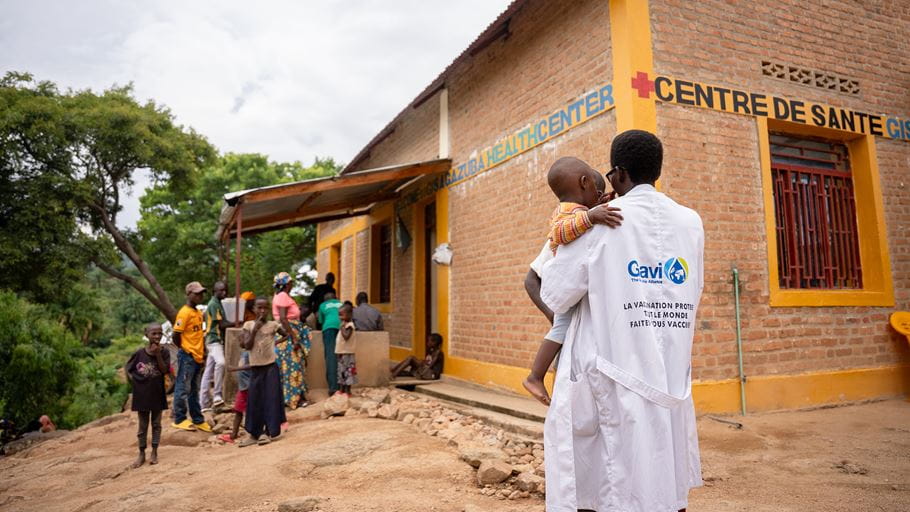
A healthcare worker carries a child in front of a rural health center in Africa.

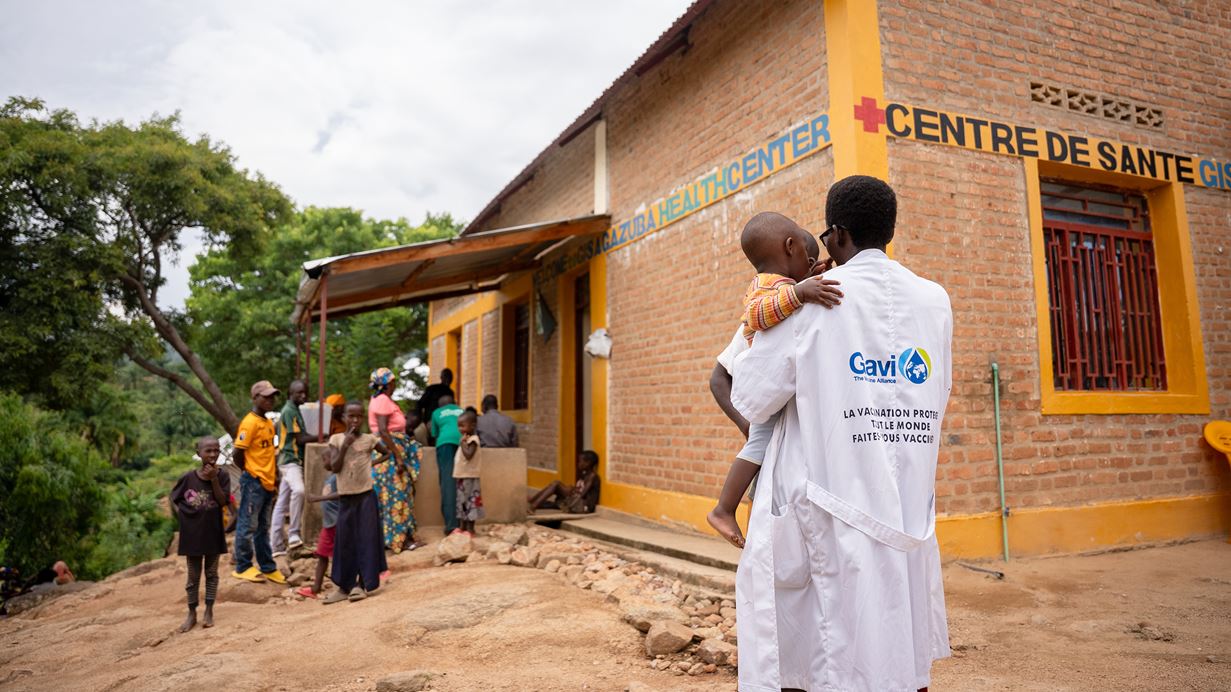
A nurse holds a child outside Gisagazuba health centre, where children now have access to healthcare much closer to home | Credit: Andrew Staite/Tearfund

As I spend time talking to these two women, I am struck by the contrast between their lives now and before Gisagazuba health centre existed.

The centre is part of a wider initiative by Tearfund and the Diocese of Rumonge. After receiving training, the local church brought the community together to identify their most urgent needs – and health emerged as the priority.

Many people shared the dangers they faced: falling sick during the night, suffering miscarriages, or even giving birth on the road. The community decided enough was enough.

Things changed in earnest when the villagers realised they had the resources themselves to take action. Together, they built the health centre, improved the roads, brought water to the village, and strengthened local infrastructure. Today, the centre is staffed with trained nurses and provides essential care for mothers, children and families throughout the surrounding hills.

Desire Majambere, Tearfund’s Country Director in Burundi, tells me: ‘In Burundi, infant and maternal mortality are both very serious concerns, especially in the most remote areas, where it is difficult for women to access the care they need.

‘Despite these significant challenges, this is a clear example of what a community can accomplish when they rewrite their own future. And for mothers here, it has meant the difference between life and death.’

A new story for mothers

Today Constance and Goreth tell a very different story. Their youngest children were born in the new health centre.

‘Now to get healthcare it is not far,’ Constance tells me. ‘We can walk there. Patients are well treated and go home healed. The nurses even deliver babies here.

‘Also, we can get our babies vaccinated, rather than walking far with a young baby, feeling exhausted. It used to be so traumatising. We thank God and Tearfund for this transformation.’

As we continue to talk about scans, caesarean sections and postnatal care, I share my own experience. My now six-year-old daughter was born by emergency c-section because the umbilical cord was wrapped twice around her neck. The NHS saved her.

The two women nod knowingly. Complications like this happen in Gisagazuba too – but the nearest facility capable of performing a caesarean is still 40km away. Too often, complications end in tragedy.

This is why they pray and hope that one day the health centre will expand into a full clinic or hospital.

Saving lives

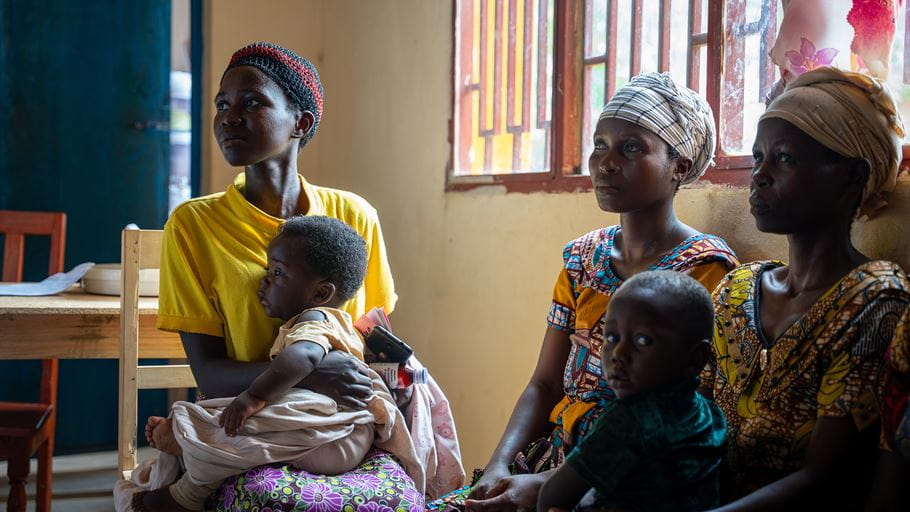
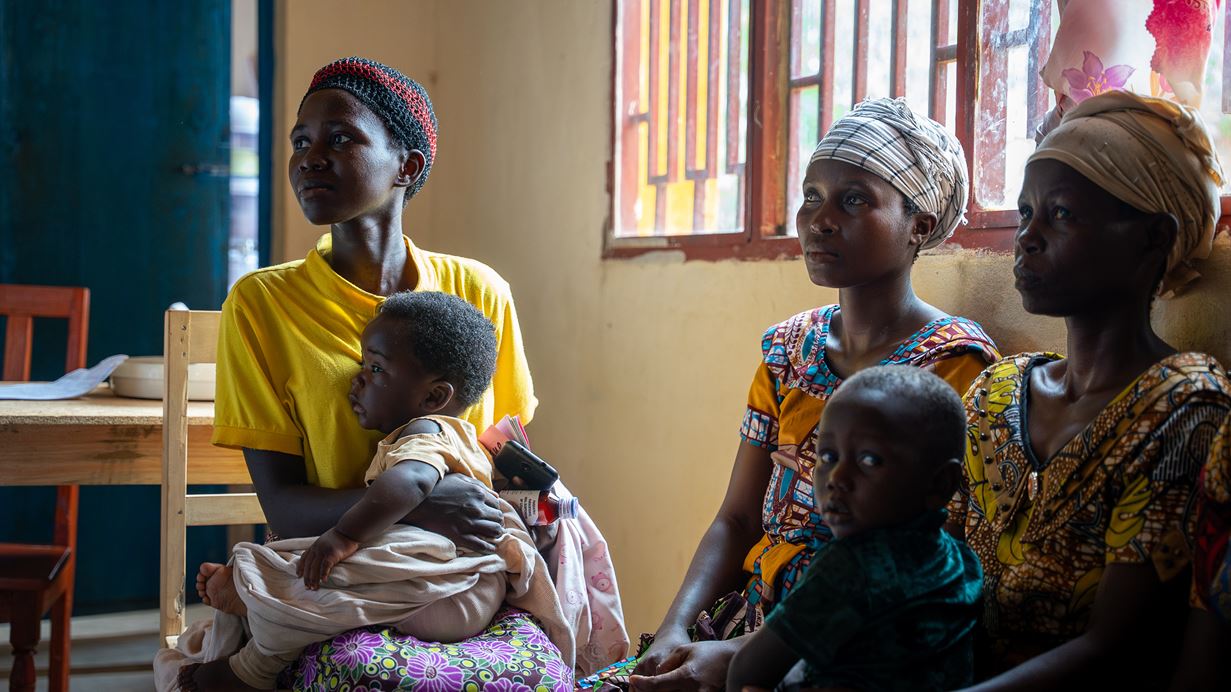
Three African women sit with their children, all looking towards the right side of the frame.

Mothers waiting to see a nurse with their young children in the health centre waiting room | Credit: Andrew Staite/Tearfund

In fact, the centre is there for them in all stages of bringing up their children – not just for childbirth, as Constance makes clear.

‘Two of my children suffer from asthma,’ she says. ‘When they have an asthma attack, they can hardly breathe: they almost have no breath left. If the health centre was far away, my children would die.

‘But now I can come here when my child is almost dying, and in just a minute he has recovered, he can breathe again. That is why I feel gladness because of this health centre in our community.’

This facility is one of five in the region, all built by communities with support from Tearfund and the Diocese themselves – all determined to tackle their greatest challenges head on.

There are still challenges. Marian, the nurse on duty today, works every second day at the health centre, covering 24-hour shifts single-handedly. A second nurse alternates with her.

But when I ask what keeps her going, her reply is matter of fact: ‘I have been trained to take care of people and save lives. That’s why I am passionate about my job. This health centre is helping me save lives.’

Written by

Written by  Jen Clark

Tearfund Scotland Media and Communications Manager

Share this page

Share this page to spread the word and help support those in need.

Get our email updates

Learn about our work and stay in touch with Tearfund. Hear about our news, activities and appeals by email.

Sign up now - Get our email updates