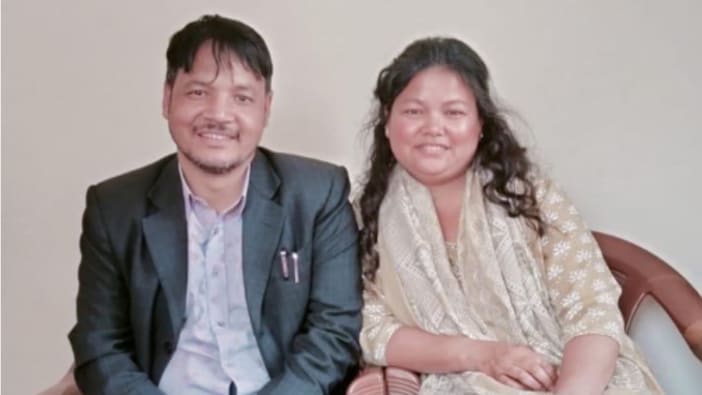

‘In that moment, I made a choice that would define my life: I ran.’
Sunita’s early life in Nepal didn’t start in peace and love. She grew up in a home where her value was decided before she could even speak. A victim of a patriarchal culture where women and girls were universally victims of inequality, Sunita was one of three daughters and four sons, and quickly learned that her needs would always come last.
Sunita’s home was far from a sanctuary against this culture. Her father was addicted to alcohol, fuelling family trauma that went beyond their struggles to make ends meet. His hostility was unpredictable, subjecting Sunita’s mother and her sisters with both verbal and physical abuse.
Courageously, her mother bore the brunt of his rage, managing to scrape together enough money to keep Sunita in school until she was 11. But the fees were too great and her father’s addiction was too draining on their finances to sustain her education. From that point on, Sunita’s future looked like she’d be trapped in a hopeless environment forever.
To survive, she fled to Kathmandu with a friend to seek the freedom of choice that had been denied her at home.
A new form of captivity
But the freedom Sunita sought was hard to hold onto. Having worked as a domestic worker in someone else’s house, she was forced to return home when she was 16. Within six months, she was married off without her consent.
‘I had no voice,’ reflects Sunita. She had to relocate under family pressure, and moved into what she describes as ‘a new form of captivity.’ By the time she was 17, she gave birth to her first son.
During that first pregnancy, Sunita was systematically starved and humiliated by her mother-in-law and her husband refused to stand up for her. ‘The extreme mental stress I endured during pregnancy manifested in my body – severe stomach pain, uncontrollable crying,’ said Sunita. She was once again subject to abuse.
Sunita’s mother-in-law passed away when her son was a year old. But her situation deteriorated further - her husband continued verbally abusing and shaming her, even through two more pregnancies.
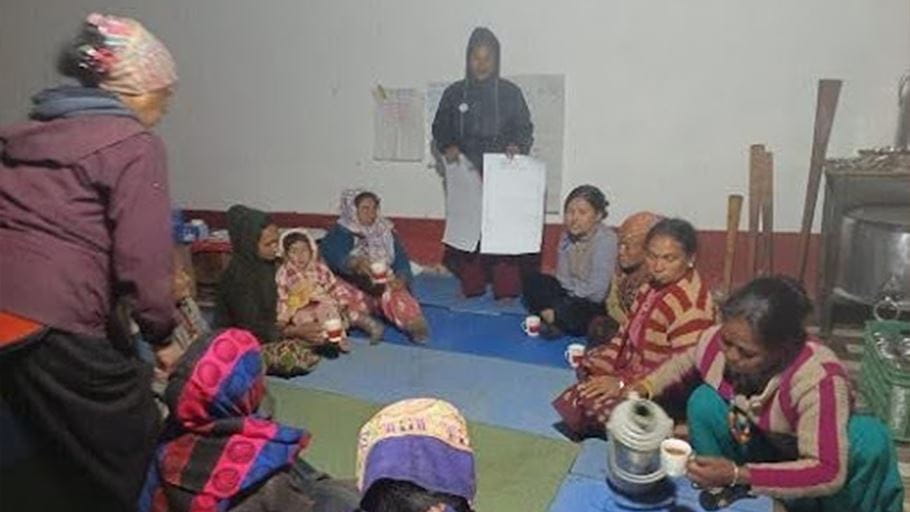
Thankfully, someone noticed. A neighbouring sister refused to let Sunita disappear, saying that if she stayed silent, her family would suppress her even more. The neighbour encouraged Sunita to get involved with Tearfund’s local partner, the Shanti Foundation.