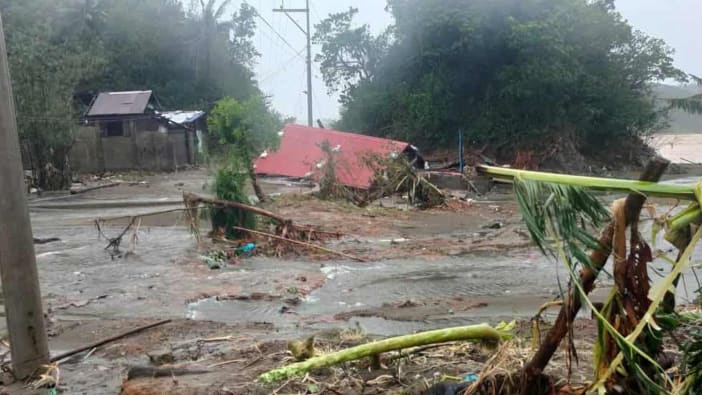
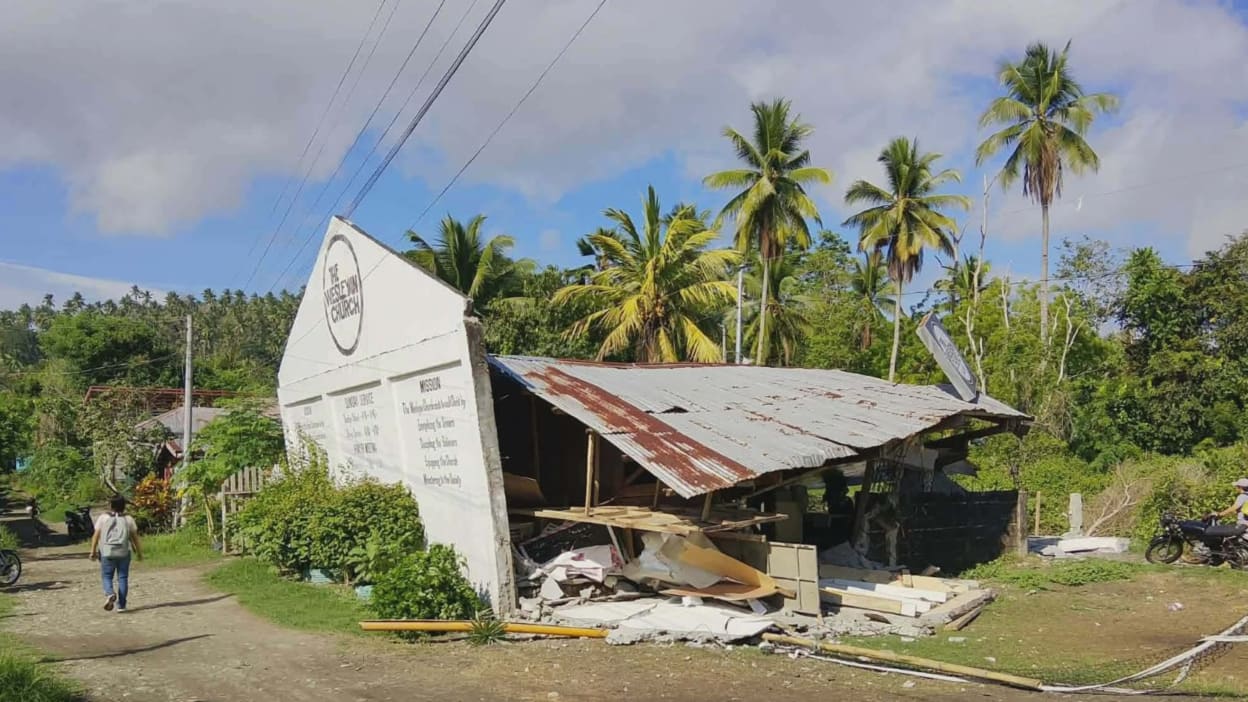
On Monday 8 June 2026, at just after 7.30am local time, a 7.8-magnitude earthquake struck the southern Philippines, killing at least 47 people and injuring hundreds more.
The National Disaster Risk Reduction and Management Council (NDRRMC) has said that more than 75,300 households, or over 346,000 people, have been affected, with around 45,000 people forced to leave their homes and find shelter elsewhere as a result of the quake.
Bridges, roads, an airport and two seaports, as well as the farming and fishing industries, have all been impacted, and power services were affected across 48 cities and municipalities.
First day of school on Mindanao
For many children on the country’s second largest island, Mindanao, where the epicentre was, it was the first day back at school. Around 8,000 schools were impacted, and online footage shows groups of children running in terror as buildings collapsed.
Fortunately, being first thing in the morning, many schools were having assemblies outside at the time, so although buildings were damaged, the number of students inside them was reduced. However, the psychological trauma of the events has been severe for people affected, and particularly for school children.
More than 130 aftershocks, measuring up to 6.7 magnitude, continued to bring anxiety and cause further damage in the hours following the quake.