Skip to content Skip to cookie consent
Tearfund home
Donate

What is Tearfund doing about SGBV?

Our approach is to challenge the social norms and beliefs that perpetuate gender inequality and violence towards women. We focus on listening and amplifying the stories of survivors, facilitating discussions between men and women, transforming concepts of masculinity, and raising awareness about the harms of female genital mutilation or cutting (FGM/C).

SGBV affects approximately one in three women

Around 840 million women and girls – that's one in three women worldwide – have experienced physical and/ or sexual violence. More than 370 million girls have been raped or sexually assaulted before the age of 18.

The effects don't end with the attack. Violence fractures physical and mental health, financial security and trust, often for life. Globally, fewer than one in ten cases of sexual violence against girls are ever formally reported.

Our impact (2018 to 2026)

Led by survivors

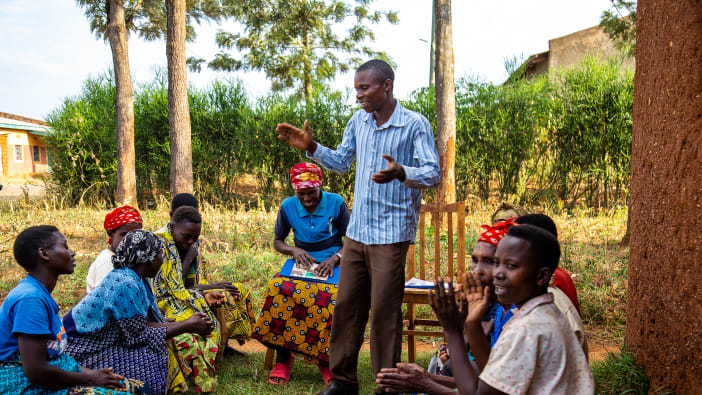
Tearfund’s Journey to Healing, our survivor support group model, is present in thousands of communities around the world, helping survivors overcome psychological trauma. They provide vital medical support, legal assistance and help them to gain the knowledge and skills that will enable them to build a new and positive future for themselves.

With the support of faith leaders, survivor groups challenge harmful norms and build a culture of healing and justice. We also work with men, engaging them in honest conversations about how traditional ideas of masculinity drive violence and how those ideas can change.

Challenging gender norms

Transforming harmful gender norms and behaviours is vital in promoting gender equality. Belief systems influence and shape social norms and can have a negative or positive impact on achieving gender justice. Our Transforming Masculinities programme challenges social norms and harmful concepts of gender and masculinity by working through and within faith communities.

From hurt to healing

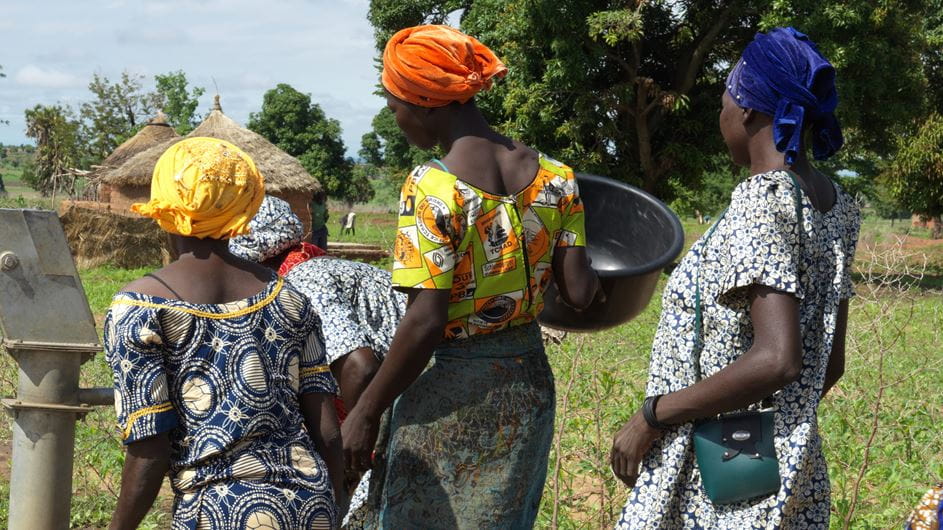
Four women in bright clothing stand in the sun waiting to collect water from the pump.

A group of women queue to collect water from the pump in a village. In Chad, around a third of women aged between 15 and 49 have undergone some form of female genital mutilation or cutting. In some countries, as many as 98 per cent of women and girls are affected. Credit: Peter Caton/Tearfund

‘Cutting was considered a social act, a rite of passage, a change of state from adolescence to adulthood, and a means of controlling female sexuality, ensuring virginity at marriage and fidelity thereafter,’ says Madina. For many years, Madina, who lives in Chad, was the one who carried out FGM/C in her community.

Two years later, Madina met Tearfund’s local partner. They offered her and the other woman responsible for FGM/C in the community the opportunity to attend training to become community champions instead. Now, Madina is leading her community from hurt to healing.

Read Madina's story

Female genital mutilation/cutting (FGM/C)

Tearfund’s programmes focus on a partnership between faith leaders and women and girls to bring an end to FGM/C.

Around 230 million women and girls aged 15 to 49 live with the consequences of FGM/C in more than 30 countries worldwide. Through the Journey to Healing approach, Tearfund supports survivors to speak out against FGM/C, training survivors to lead support groups, and referring survivors to health services in the community.

Faith leaders are engaged through the Transforming Masculinities approach to advocate for an end to the harmful social norms that lead to and perpetuate the practice of FGM/C. This is done through a series of community discussions on faith, tradition and the root causes of FGM/C.

Survivors and faith leaders also undertake advocacy initiatives around FGM/C legislation with policymakers at local and national levels.

‘Every day another 2,000 girls are trafficked into sexual slavery.’

Standing with women and girls in crisis

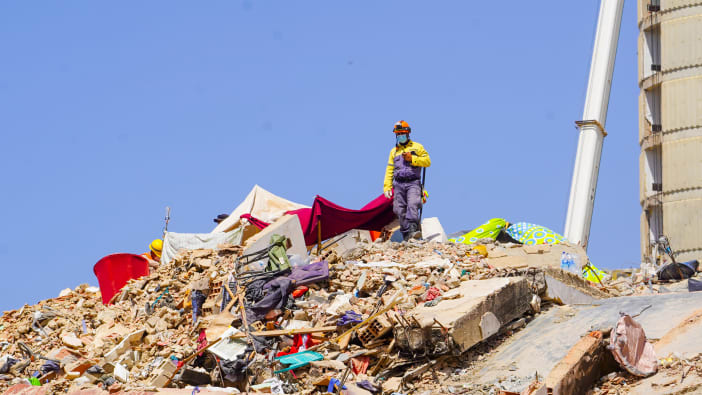
Preventing and responding to violence against women can save lives, and is a vital component of protection in any humanitarian response. Tearfund’s direct response includes:

  • Providing access or referrals to appropriate medical, legal, and psychosocial services for survivors.
  • Sharing key messages on safety for women and girls in the community.
  • Prevention activities promoting gender equality.
  • Addressing social stigma, which is a barrier to survivors accessing services.
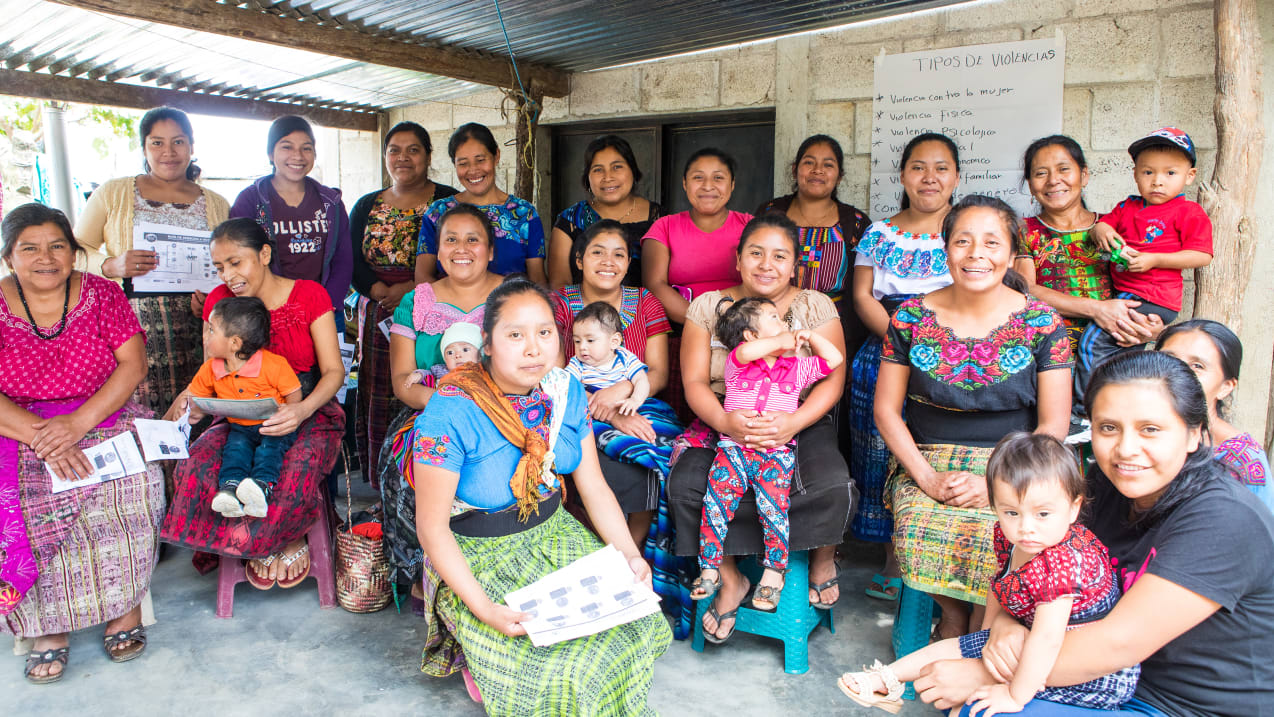
  • Creating safe spaces for women to gather and discuss issues affecting them, and establishing effective systems for violence to be reported and addressed.

Get our email updates

Learn about our work and stay in touch with Tearfund. Hear about our news, activities and appeals by email.

Sign up now - Get our email updates