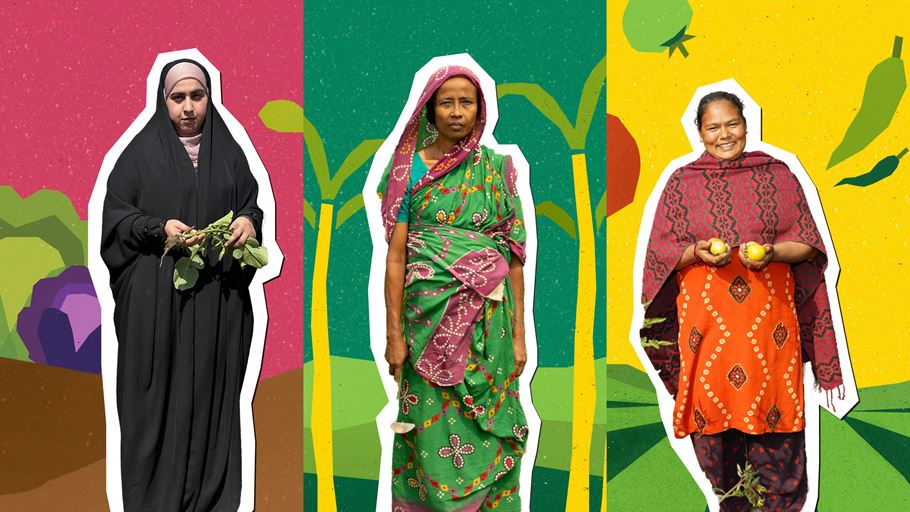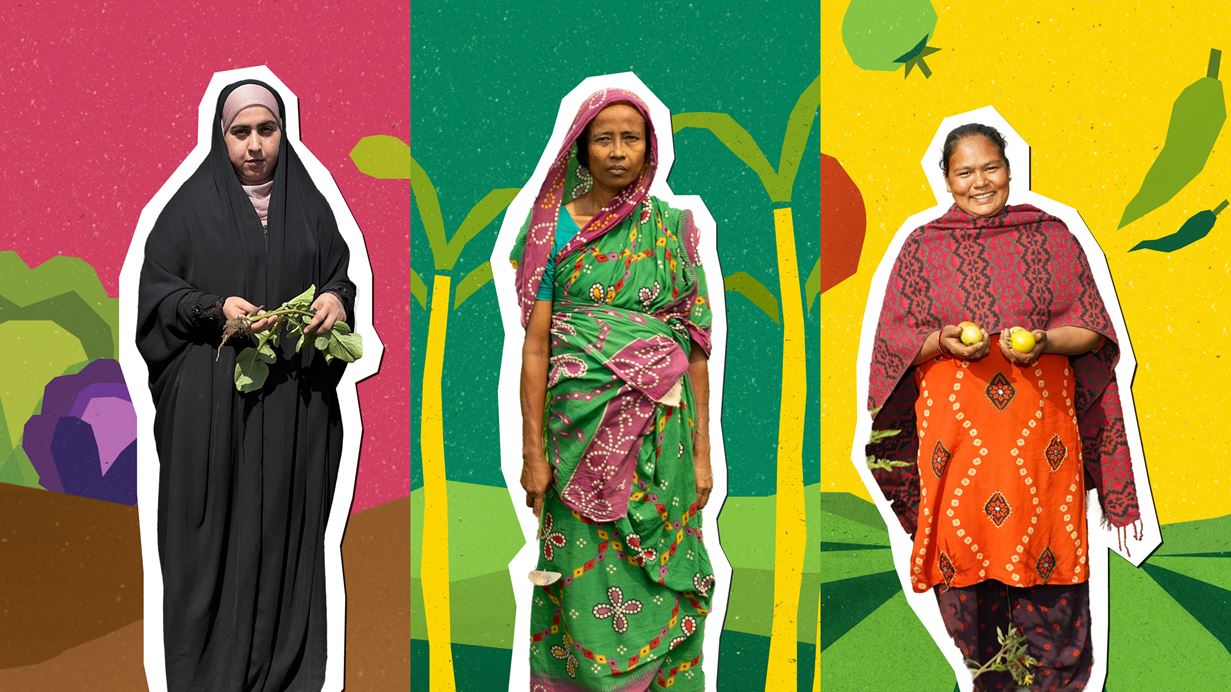

The very women who feed the world are facing the highest risks of hunger, with the least support to survive a rapidly changing climate.
Across lower-income countries around the world, women smallholders* work tireless hours to grow food, sustain communities and keep global food supply chains moving. Yet, climate shocks like extreme heat, droughts or flooding are destroying their crops, while unjust systems ironically mean that the farmers trying to grow food face extreme risks of hunger themselves.
It’s vital that the voices of these women are heard and responded to at COP31, the UN’s annual Climate Summit held in November this year. Miatta Fahnbulleh MP (Secretary of State for Energy, Security and Net Zero) and the UK delegation must speak up for our global neighbours like Afroza, Beli and Zainab.
By standing together in prayer and action, we can make sure smallholder farmers aren’t being cropped out of the picture.
*Definitions vary globally, but in our experience, smallholder farmers in lower-income countries tend to be people who work on fewer than two hectares of land.