Skip to content Skip to cookie consent
Tearfund home
Donate

What is COP31 and why does it matter for Afroza?

Tearfund will be at COP31 in Türkiye. But why? What do we hope to achieve? And what does it mean for women like Afroza?

28 Sep 2026

Afroza, a woman smallholder farmer, stands looking at the camera in a field of tall, green crops

Credit: Jaman Bista/Ray of Hope

‘The impact of climate change is increasing day by day in our area.’

Afroza, a woman smallholder farmer living in Bangladesh, has experienced the devastating impact of climate change firsthand. Crops are being destroyed, soil erosion is changing the local landscape causing water logging and cutting off their source of fish. All of this puts Afroza and her family at risk.

Sadly, Afroza’s story is not an uncommon one. In lower-income countries around the world, farmers are working tireless hours to grow food, sustain communities and keep global food supply chains moving. Yet, climate shocks like extreme heat, droughts or flooding are destroying their crops, and the farmers trying to grow food face extreme risks of hunger themselves.

As Christians, we are called not only to love and care for God’s creation and our global neighbours, but also to use our voice and influence to speak up against injustices like the climate crisis.

COP31, the UN’s annual climate conference, is a vital opportunity for us to stand with smallholder farmers around the world. We must use it to speak out on issues like climate finance that can make a fundamental difference to people living in poverty and improve food security for all of us.

What, when and where is COP31?

From 9 to 20 November 2026, the city of Antalya in Türkiye will host COP31.

During this year’s annual climate conference, government leaders and representatives from around the world will gather on the turquoise coast to discuss the progress we’ve made as a global community on tackling the climate crisis and what more we still need to do.

While based in Türkiye, this year’s COP will be co-hosted by both Australia and Türkiye. Attendees will include government officials, faith leaders, activists and NGOs like Tearfund.

The Tearfund team have spent months preparing for this conference and include members of our policy and campaign teams who will be joined by Iraq Country Director Rana Gorges, Tearfund Australia and young activists from Latin America.

This will be Türkiye’s first time hosting COP31, but while they will hold the official COP31 Presidency and host the event, Australia will lead the formal negotiation process under a unique cooperative arrangement.
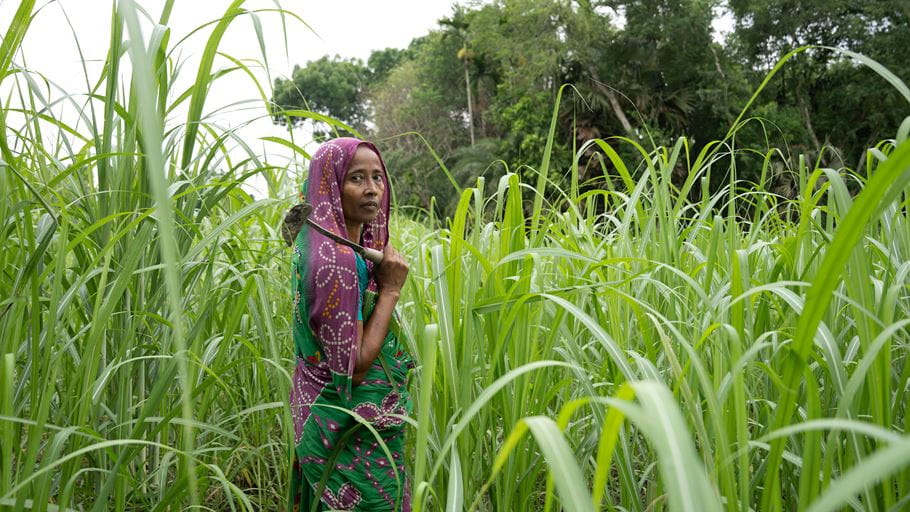
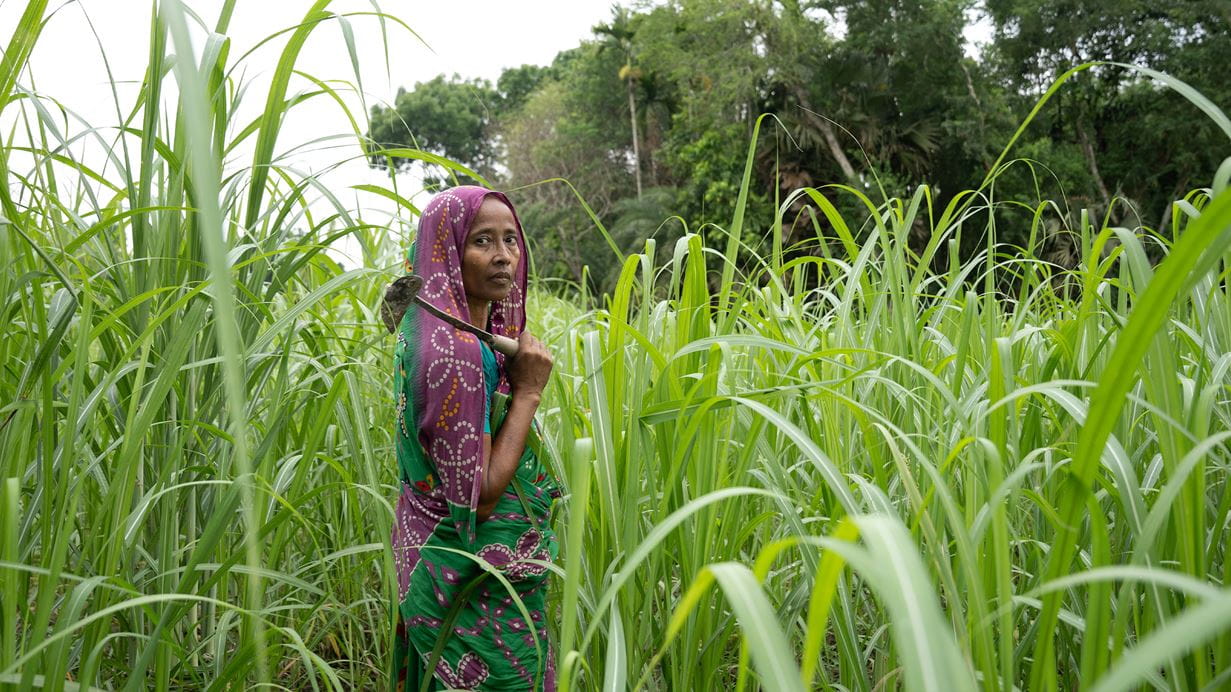
Woman in a purple and green headscarf and patterned dress stands in a field of tall green crops, a hoe resting on her shoulder, looking at the camera. Lush trees are visible in the background.

Credit: Jaman Bista/Ray of Hope

Why is COP31 relevant to Afroza?

‘Due to salt water, crops are destroyed and the fertility of the land is also decreasing. The impact of climate change is increasing day by day in our area,’ says Afroza.

The impacts of the climate crisis are hitting the world’s poorest communities first and hardest, pushing them further into poverty. We see this every day in the communities we work alongside.

Smallholder farmers supply one third of the world’s food and many of them live in these communities, faithfully farming the land and tending to their livestock. Afroza is one of these farmers. At the mercy of a rapidly changing climate she has had to find more resilient ways of farming.

The climate crisis is driving more frequent and unpredictable extreme weather events, such as floods, drought and heatwaves. The impact on farmers like Afroza, their livelihoods and their homes, is devastating. It is unjust and will only get worse unless we take action now.

That’s why we are choosing to stand with smallholder farmers at COP31 this year. In particular, we are calling on world leaders to support people like Afroza with climate finance, which could make a significant improvement to the availability of resources for farmers around the world. Read on to find out what else we are hoping to achieve at COP31.

What is Tearfund hoping to achieve at COP31?

At COP31, the Tearfund team will be:

  • Calling on wealthy governments to deliver on climate finance to support smallholder farmers to adapt to climate change and invest in sustainable agriculture
  • Advocating for smallholder farmers and rural communities to be included within the development of the Just Transition mechanism agreed at the previous UN climate summit COP30
  • Working with faith leaders and faith organisations to raise a prophetic voice for climate justice at COP31
  • Seeking opportunities to highlight climate issues in the media, and drawing attention to stories of the impact of the climate crisis on the communities we serve.
  • Calling our supporters to pray with us, bringing the outcomes of this conference and the challenge of the climate crisis before our creator God.

The solutions to the climate crisis exist, but we need continued collaboration on a global scale to implement and hold governments accountable to the promises they have made. Words are not enough if promises made by those in power are not kept.

Your prayers and support play a vital role in helping us achieve all that we hope to at COP31. Take a look at this article to see how you can partner in prayer for COP31 and lift up to God everyone affected by the climate crisis.

What is Climate Finance and why does it matter to smallholder farmers?

Smallholder farmers produce a third of the world’s food. Yet, it’s estimated that they receive less than one per cent of global climate finance. This is unjust. They desperately need this resource to adapt to the impacts of climate change and feed their families and communities. And if they don’t get the resources they need, food security will be threatened for us all.

But what is climate finance? Well, in order to figure that out, we have to start by addressing the climate crisis. The climate crisis is a global problem that all countries need to address by reducing emissions and adapting to the impacts of climate change. But it is communities who have contributed the least to causing this crisis who are bearing the brunt of it, with the fewest resources to adapt.

As a result, wealthy nations, who have often emitted the most carbon, must step up and increase their financial support for climate action in low-income countries. Unless they do, millions of people could be forced back or pushed deeper into poverty and the climate crisis will continue to accelerate.

‘The farmers trying to grow food face extreme risks of hunger themselves.’

This is the financial support that we’re referring to when we talk about climate finance. More generally, it refers to funding for activities that help people tackle and learn to live with climate change.

While wealthy nations have made several top-level climate finance agreements in international negotiations like COP, the exact amount of money required and how it is delivered has been a point of contention for years.

This year, Tearfund will be calling for more climate finance to support smallholder farmers, especially women smallholder farmers, around the world. Because smallholder farmers feed the world, and if women were to receive the same access to resources as men, their yields would increase by 20 to 30 per cent, lifting an estimated 100 to 150 million people out of food insecurity.

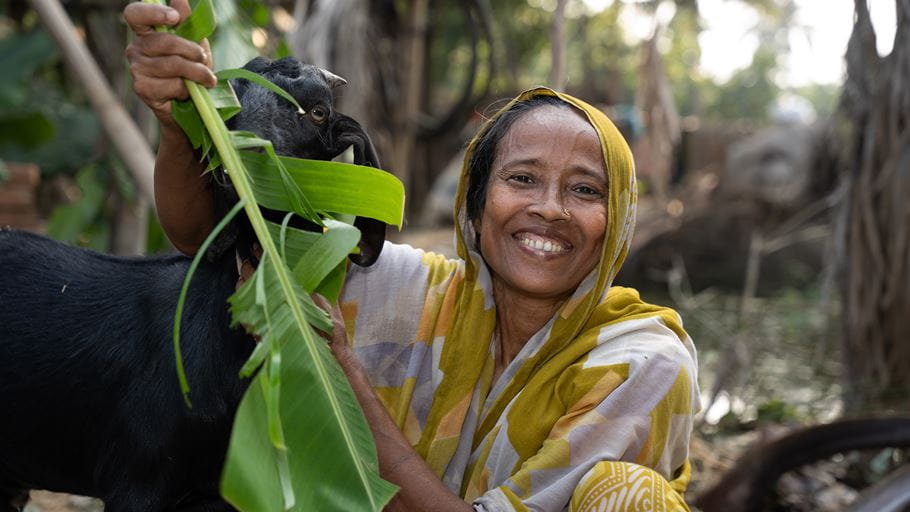
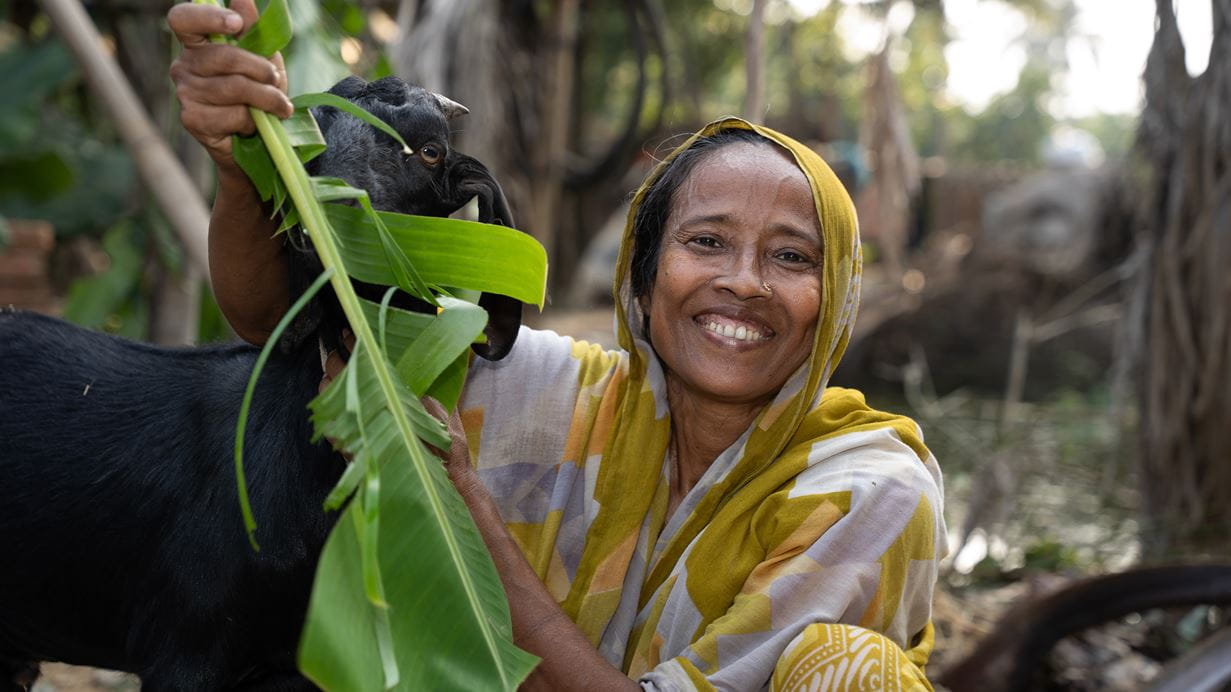
A smiling woman in a yellow headscarf feeds green leaves to a black goat.

Credit: Jaman Bista/Ray of Hope

What is Tearfund asking governments to do?

As world leaders gather in Antalya for COP31, the ‘Super El Niño’ weather event will be putting even more pressure on communities living in poverty and global food security. And smallholder farmers are already struggling to adapt to climate change without sufficient climate finance to support them.

At COP31, we’ll be calling on wealthy governments, like the UK, to deliver more and better climate finance to support farmers and rural communities living in poverty who bear the brunt of climate breakdown. Smallholder farmers like Afroza, Beli and Zainab urgently need this support to keep feeding billions of people worldwide.

We’ll also be advocating for farmers and rural communities to be included within the ‘Just Transition’. It might sound technical, but this simply means ensuring that the transition to a green economy is as fair and inclusive as possible, creating dignified work opportunities and leaving no one behind. At COP30 in Brazil last November countries agreed to develop a ‘Just Transition mechanism’ which represented a historic win for climate justice!

Given that food systems* account for about a third of greenhouse gas emissions (although smallholder farmers account for very little of these emissions), this is a sector which urgently needs to transition to more sustainable practices, and it is critical that smallholder farmers and the rural economy are not left behind.

If you want to help empower the UK delegation to act on these issues then you can send an e-card to Miatta Fahnbulleh MP (Secretary of State for Energy Security and Net Zero) urging her to speak up for smallholder farmers at COP31.

Food systems means the whole cycle of food – everything from how food is grown, processed, transported, bought, prepared, eaten and disposed of.

What does our Christian faith have to do with the climate crisis?

Our faith calls on us to respond to the climate crisis for two reasons. Because we are called to care for creation, and because Jesus shows us how we should seek justice. By striving to do both, we can demonstrate God’s love in the world around us.

Creation was made by Jesus, through Jesus and for Jesus. Colossians 1:16 says: ‘For in him all things were created: things in heaven and on earth, visible and invisible, whether thrones or powers or rulers or authorities; all things have been created through him and for him.’

Creation is full of life and awe-inspiring beauty, reflecting the glory of its creator. He declared it to be good and we depend on the natural world for life itself. Yet, the climate crisis is destroying nature and putting millions of lives at risk.

Proverbs 31:9 says: 'Speak up and judge fairly; defend the rights of the poor and needy’, yet the climate crisis pushes millions of people further into poverty. This demands our response. Read more about how our approach to tackling the climate crisis is motivated by faith here.

Five facts for COP31

  1. It’s estimated that less than one per cent of climate finance goes to smallholder farmers to help them adapt to a changing climate.
  2. One-third of the world’s food is grown by smallholder farmers and for some food products this is even higher. For example, 90% of the world’s cocoa is grown on smallholder farms.
  3. It has been estimated that, by 2030, climate change could push more than 120 million more people into poverty.
  4. More than 1.3 billion people, mostly in lower-income countries, are currently trapped on degrading agricultural land, increasing their vulnerability to slow-onset disasters such as drought, desertification, food insecurity and even famine.
  5. Iraq, which sits on the Southern border of COP31 host Türkiye, is facing severe climate impacts with 92 per cent of agricultural land threatened by water scarcity, extreme temperatures, and desertification resulting in increasing rates of crop failures.

Praying for COP31

    • Pray for the voices of smallholder farmers, people in poverty, and communities experiencing the most brutal impacts of climate change to be heard loud and clear, and that urgent action is taken in response.
    • Pray for wealthy nations to step up in delivering the vitally needed climate finance to support communities to adapt to a crisis they didn’t cause.
    • Pray for Australia and Türkiye as they co-host COP31, that they would lead with integrity, ambition and urgency.
    • Pray for faith leaders, and Christian NGOs and activists to speak the truth in love, and to act with courage on behalf of our global neighbours and God’s beautiful creation.
    • Find more prayer points at praying for COP31

Share this page

Share this page to spread the word and help support those in need.

Get our email updates

Learn about our work and stay in touch with Tearfund. Hear about our news, activities and appeals by email.

Sign up now - Get our email updates