Kalonda’s not sure we’d be able to believe it if she described to us the abuse some people have faced as part of a longstanding ethnic conflict where she lives – it’s that awful. ‘Sickening’ is the word she uses to describe it.
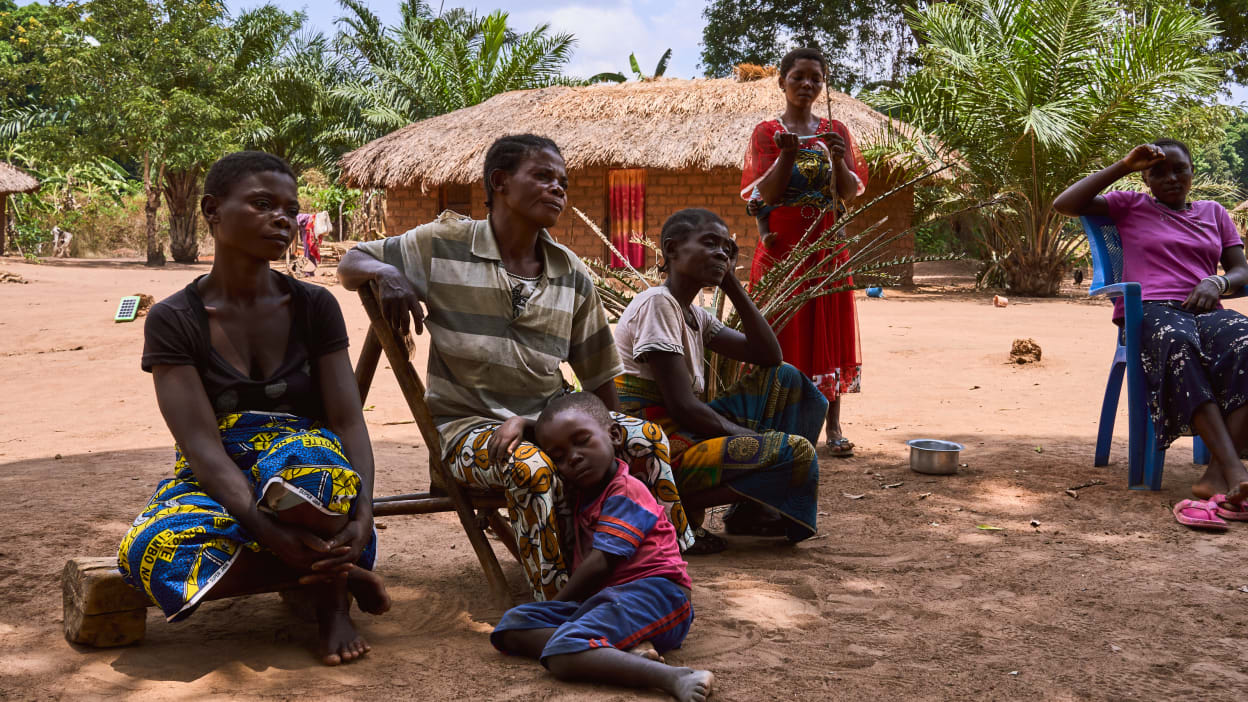
A Twa woman, living in Nyunzu Territory, Tanganyika Province in the Democratic Republic of Congo (DRC), Kalonda has lived through years of conflict between her own people, the Twa, and their neighbours, the Bantu people. Sometimes, it’s been a war of words and ethnic slurs, at times it has been physically violent and deadly.
Consistently physically, economically and socially damaging, the long-standing conflict has now been the focus of a series of peacebuilding activities initiated by Tearfund and working with local partners. ‘Now,’ Kalonda says, ‘we are seeing a change in attitudes and behaviour that differs from what we experienced in the past.’
Conflict between the Twa and Bantu: land disagreements and discrimination
The conflict between the two groups started some years ago, with land ownership disagreements and discrimination, which led to violence and counter-violence, being some of the main causes for the situation.
‘We remember the consequences that left scars of pain related to ethnic and land conflicts throughout our villages for many years,’ mourns Kalonda.
It’s a conflict that has cost lives, destroyed homes and livelihoods, and kept children out of schools – further pushing people into poverty and reducing their hopes of finding a way out of it.
‘Until now,’ Kalonda explains, ‘we have been living in difficult and unbearable conditions in terms of food security, and many of us have remained living in poverty and stripped of the possessions that we need to survive because of the conflict.’
But, things are changing.