It’s estimated that 5 billion people watched at least some part of the last FIFA World Cup (in 2022). The final alone had an audience of 1.5 billion viewers.
This year, FIFA reports that the opening matches have already ‘set new broadcast records across multiple markets, with historic audiences, market shares and national television milestones’.
Viewing figures across the first weekend alone were up to 50 million.
That’s a lot of people.
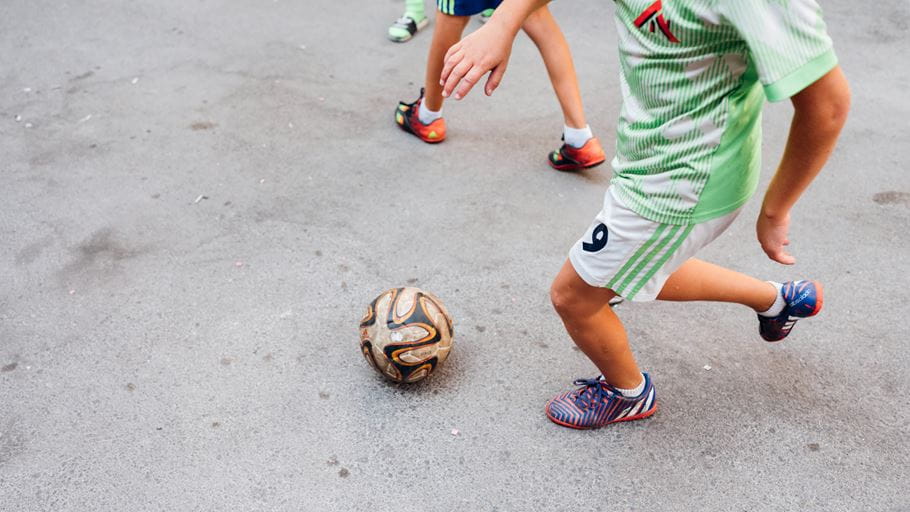
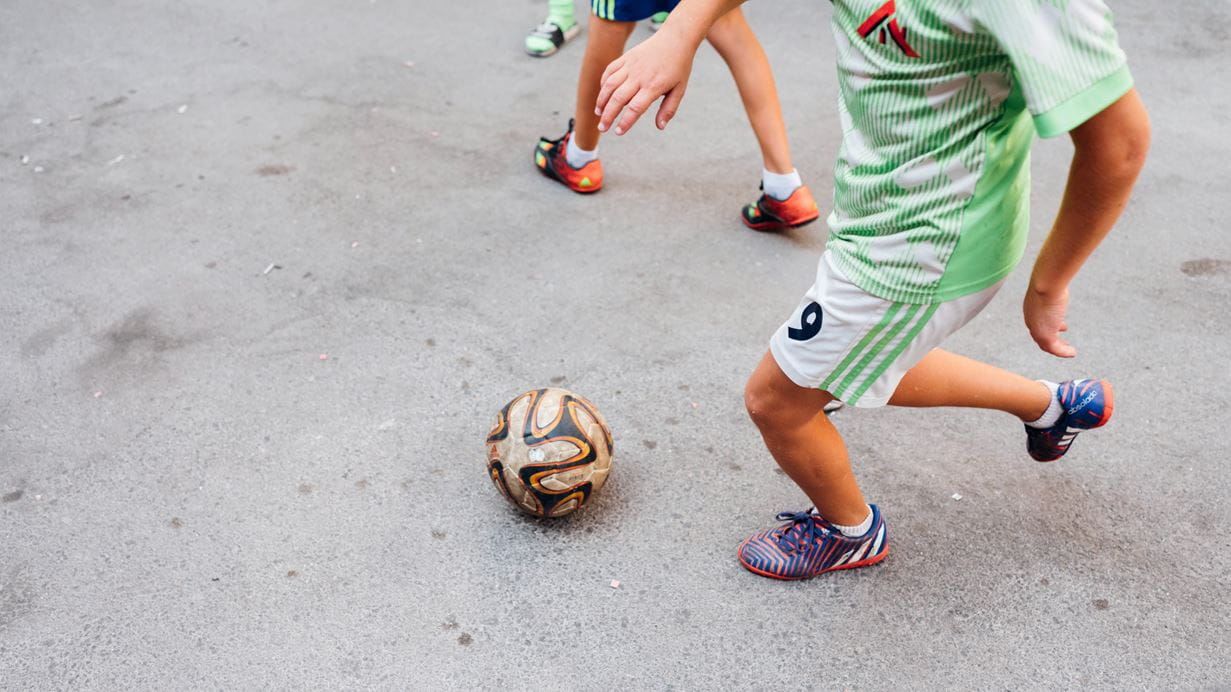
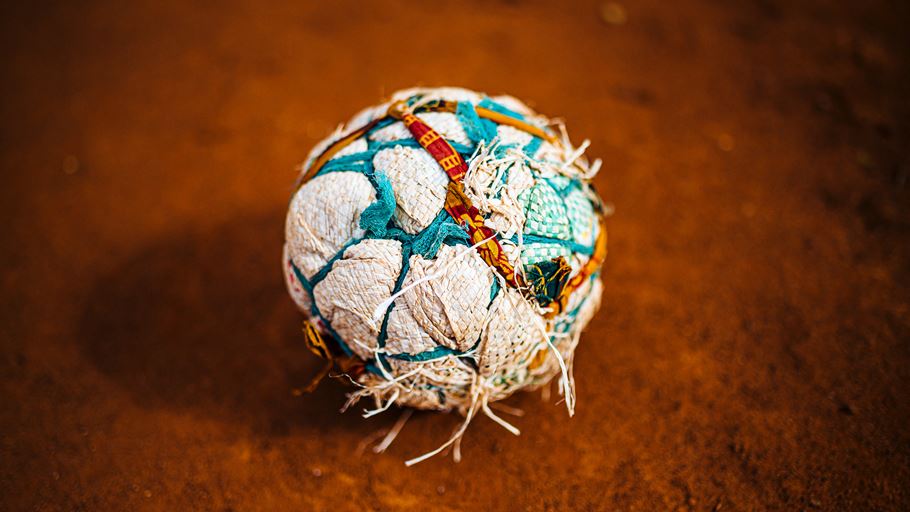
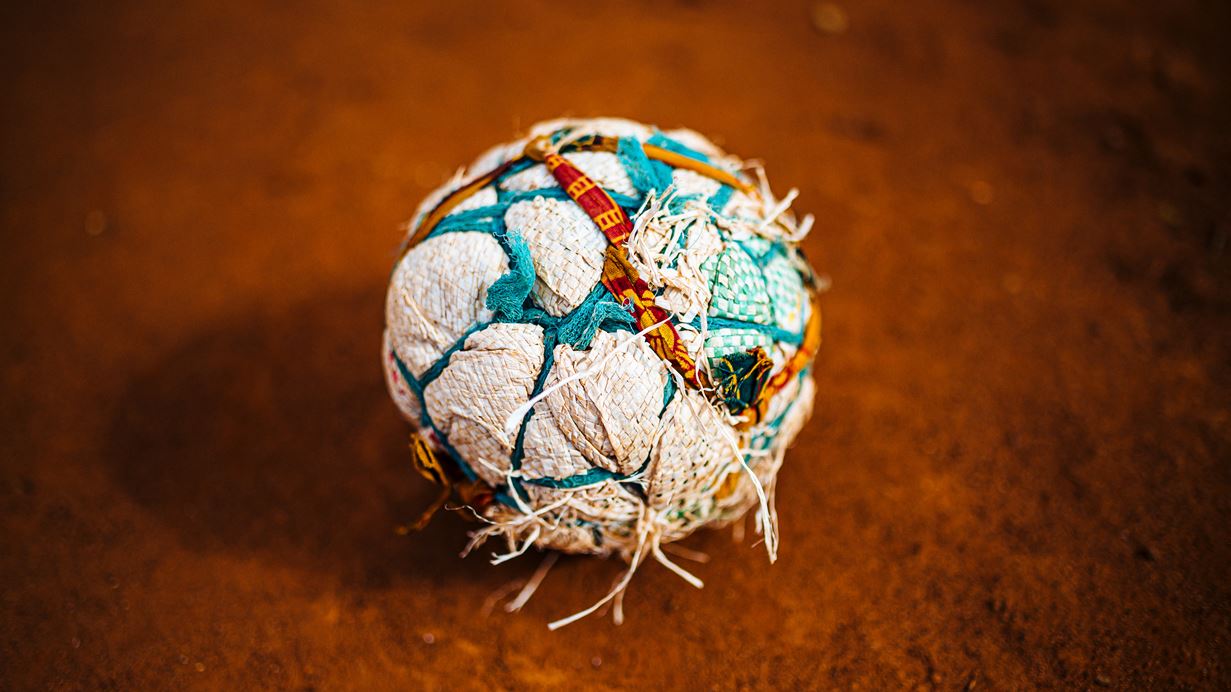
Of course, the tournament is about the sport itself and the excellence of the players. Football (or soccer, as the hosts prefer) is one of the most widely played and most accessible sports on the planet, so it stands to reason that the audience would be wide.
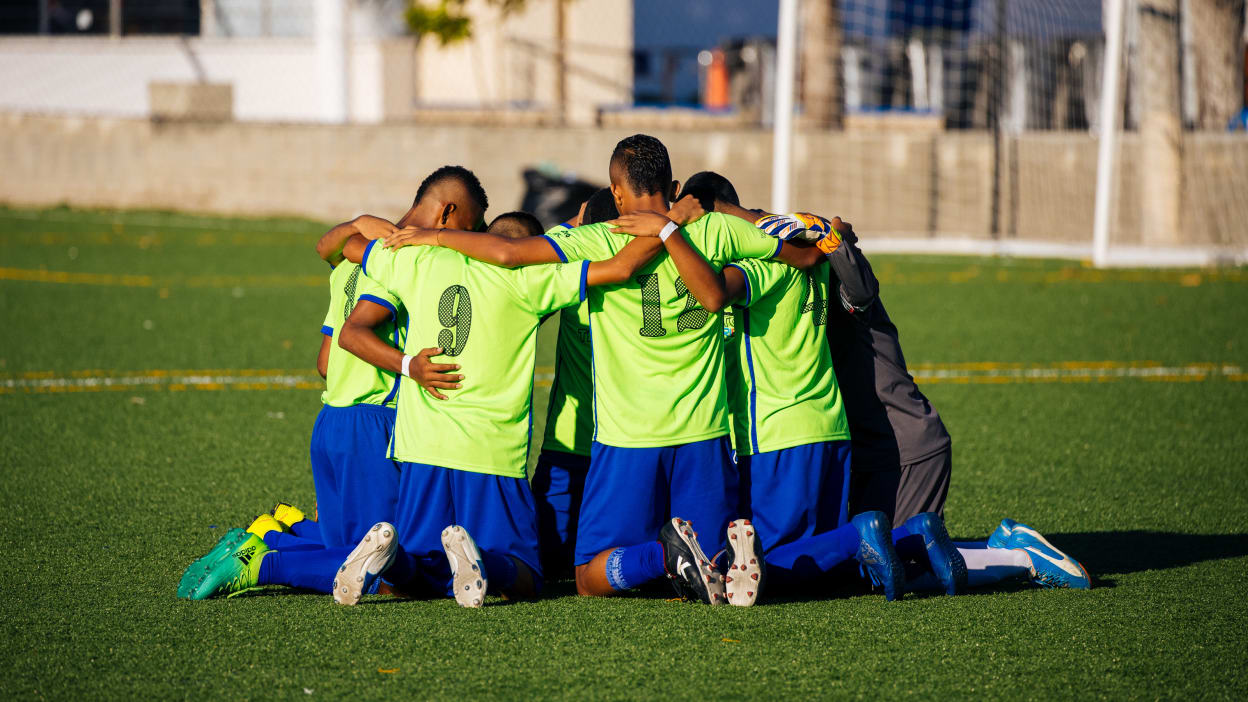
But, even more than that, it’s a reminder of humanity’s need to belong. For many of the people watching, their love will be for their flag, more than the game. For the players who carry the pride of the nation they belong to, more than the technical skill they offer. For the sense of hope and joy that comes from being a part of something bigger – particularly in victory – more than the need to watch a group of men chase a ball (albeit with exceptional talent).
Even in the losses, the sense of belonging that comes with allegiance to the shirt their team wears, feeds a deep, shared, human need.
It’s a need we see played out around the world in far more violent ways. In rhetoric and in actions. In tribes, sects, nations, races and political leanings. As humans (in common with much of nature), we seek safety by aligning ourselves with a family, a clan, a group. Our God-given instincts tell us that to belong is to be safe. To belong is to survive.
Those who prefer not to watch football and have had their evenings, TVs and living rooms hijacked by tensions and home-grown punditry may disagree, but by and large the World Cup provides a reasonably joyful and entertaining way to find belonging.
And this spectacle of adrenaline and national pride is played out on a stage that offers the 5 billion viewers more than simply football.