Skip to content Skip to cookie consent
Tearfund home
Donate

Life in earth: what soil teaches us about roots of justice

Clark Buys reflects on the parable of the sower, and how we nurture transformation in our lives and the world around us.

Written by Clark Buys | 22 Jun 2026

A man wearing a camouflage shirt smiles as he waters small green plants in a red-soil field under blue sky.

Kaleb, 30 years old, was selected to train in agricultural skills and can now provide for his family. Credit: Asha Kurien/Tearfund

When did you last think about soil? You know, the stuff we wipe off our shoes on the front step and hoover off the carpet.

For many of us, soil is hidden or something dirty that we avoid.

But a teaspoon of healthy soil can contain billions of living organisms. It’s a complex ecosystem of bacteria, fungi, tiny insects and worms, doing hidden work to sustain life on, and in, the earth.

More than half of Earth's species live in soil, and almost everything we eat comes from it. Every loaf of bread, piece of cake, cup of coffee and glass of wine started with soil.

Isn't it interesting how often the most important things in life go unnoticed?

We are formed by God from the soil

In Genesis, humanity is formed from the dust of the ground. God bends down to the earth, shapes humanity from the soil, and breathes life into it.

The Hebrew words are closely connected: adam, meaning human, and adamah, meaning ground. We are ‘earthlings’.

We’re not separate from the earth: we come from it and belong to it. God fills this dust with breath and life.

But it’s not only humanity. Again and again in Genesis, life emerges at God’s word: trees, plants, seed-bearing fruit, creatures of every kind. God speaks, breathes, blesses, and the earth begins to teem with life.

The ground isn’t lifeless. It’s where God’s creation grows.
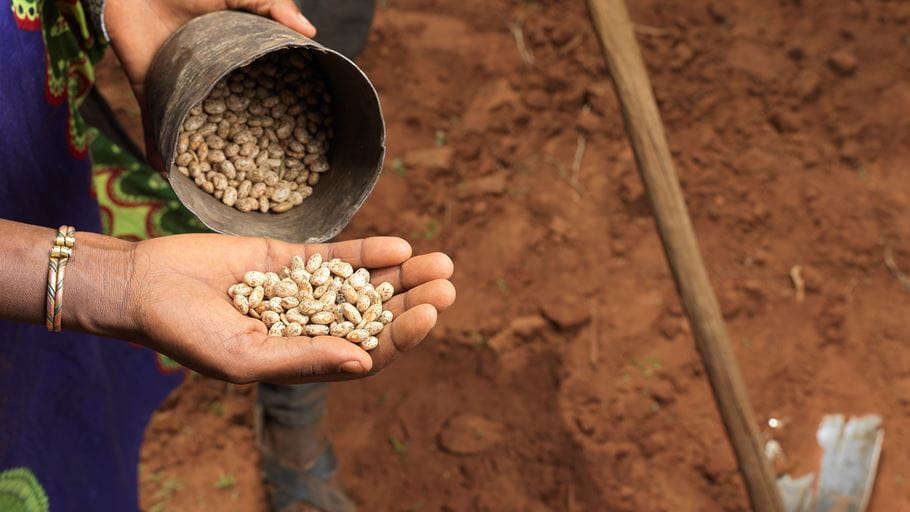
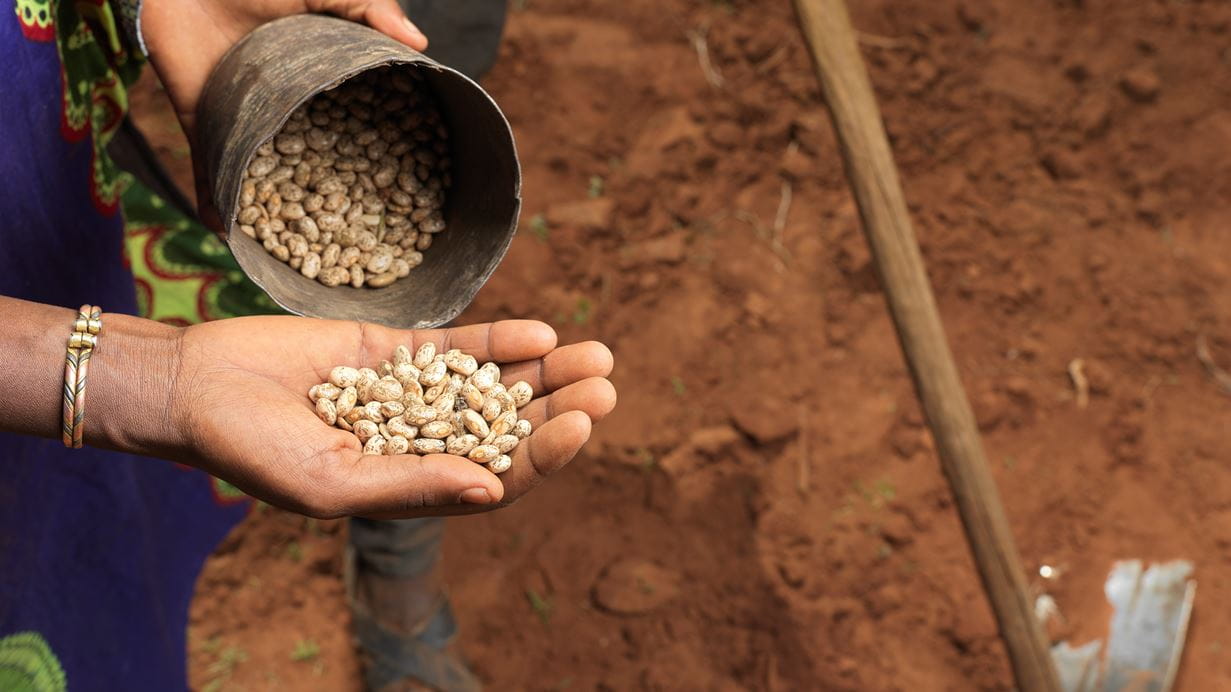
Someone holds seeds in the palm of their hand, and more in a tin in their other hand. In the background is red soil and a hoe tool.

Kubsa Kuno shows a handful of seeds for growing in Borena, Ethiopia. Credit: Peter Caton/Tearfund

Jesus proclaims a vision of abundant life

Perhaps we should think of Jesus’ ‘parable of the sower’ (Mark 4) as ‘the parable of the soils’.

The seed, Jesus explains, is ‘the word’. But not just any word; it’s the word of the kingdom, announcing that God is renewing what’s broken, healing what’s hurting, and restoring what's been lost. God breathes life into dust and hears the cries of suffering people. This good Creator promises justice, mercy, restoration, and a land that can flourish again.

Jesus is invoking the great story running through the Bible to announce something new is happening. The kingdom of God is near. And its fruit is the abundant life that Jesus speaks about in John 10:10: people and communities flourishing, relationships healed, and where there's justice, repair, delight, belonging and dignity. This includes our relationship with God, with one another, creation, our communities, and the systems and structures that should allow us to live and flourish.

When Jesus speaks about good soil producing fruit up to 100 times over, perhaps he means lives transformed, communities restored, relationships repaired, justice pursued, peace made, creation nurtured, and people reaching their God-given potential.

But what conditions allow that kind of life to take deep root?

‘God breathes life into dust and hears the cries of people who are suffering.’

How do we discern good soil?

We often read this parable as Jesus sorting people into categories: Some are rocky. Some are thorny. Some are good soil. The end.

But that misses the point. Soil is alive; it can change. In the same way, the conditions in our lives and communities can change. Instead of asking what kind of soil we are, perhaps we should ask what kind of soil we’re becoming. What conditions are shaping you?

When the storms come, the heat is on, the pressures intensify, shallow roots don’t survive. Deep roots need good soil.

What kind of soil are we becoming?

Jesus describes four types of soil: hard, rocky, thorny, and good. The first three are soil that harms long-term life and flourishing. Perhaps we can consider the alternatives…

Instead of hard soil, how do we become soft soil?

Sometimes life hardens us, or we harden ourselves out of protection. But good soil is soft, open, receptive, teachable and able to receive.

Personally, this might look like honesty before God, repentance and naming the places where we have become defended, numb, or stuck. In our communities, it might look like listening well, learning from others, and remaining open to God’s voice.

Instead of shallow soil, how do we become deep soil?

When looking at our world, communities and our hearts, we want the conditions for growth that’s deep and resilient, rather than quick growth that’s exciting… but fragile. This requires deep soil formed over time, through prayer, perseverance and patience.

Conflict is not resolved in a week. Trauma is not healed in a month. Communities are not transformed by one good idea. Systems don’t become just overnight. The question is not whether the roots of abundant life are growing. The real question is, are they growing deep enough to last?

‘Instead of asking what kind of soil we are, perhaps we should be asking what kind of soil we are becoming?’

Instead of thorny soil, how do we become clear soil?

One of the most striking parts of the parable is that the plant is not destroyed by attack. Jesus tells us it’s choked by overcrowding.

The worries of this life, the busyness of getting through the day – these are not necessarily evil things, just crowded, loud, consuming things that slowly take up all the space. We can fill our lives with so much that there’s no room left. Good soil makes space for God’s abundant life to grow.

Ultimately, how do we become that good, living soil?

Healthy soil is not just soft, deep and clear. It’s alive and full of relationships, hidden networks and organisms working beneath the surface. That’s an important image for the life of faith: being rooted in love is not an individual project.

Healthy soil is relational and so are healthy souls, healthy churches and healthy communities. We do not grow alone.

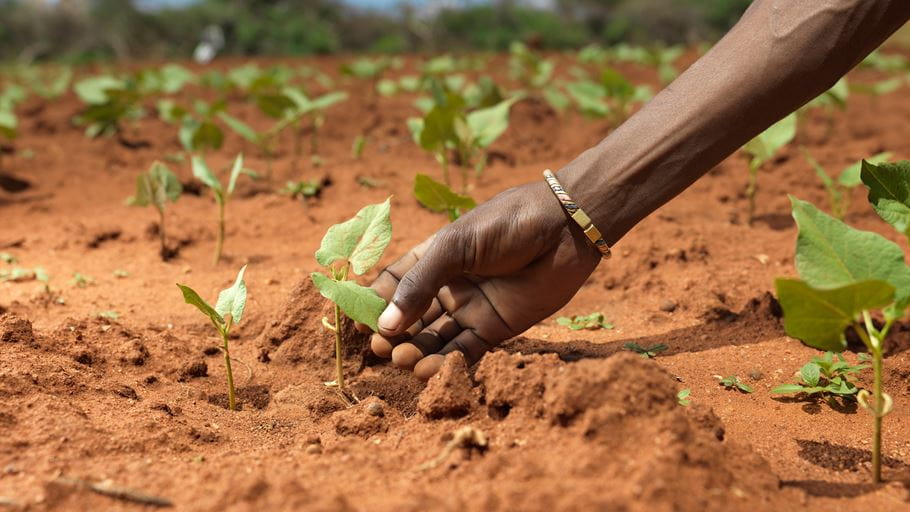
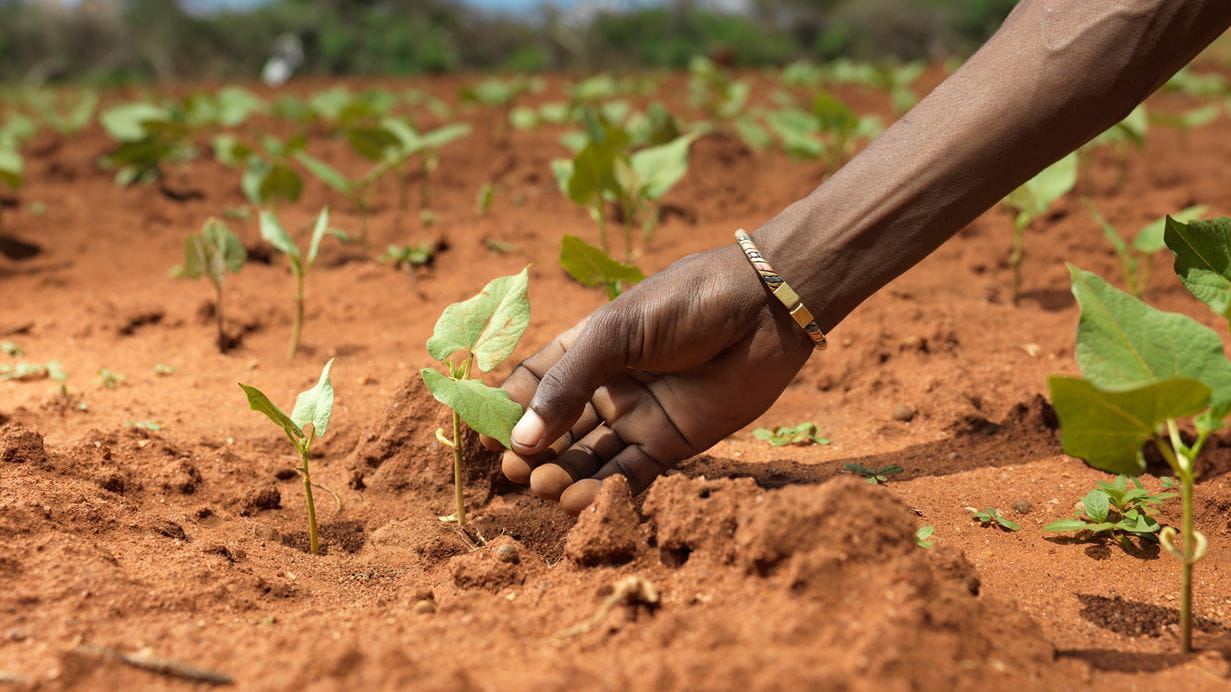
A hand gently touches a small green plant in a field of red soil and seedlings.

Kubsa Kuno checks the plants that are growing in Borena, Ethiopia. Credit: Peter Caton/Tearfund

Let's tend to the roots of justice, transformation and abundant life

I do a bit of gardening, but I’m definitely not someone who instinctively knows what to prune, when to plant, or why something’s dying.

One thing I’m learning is that I can’t force anything to grow or flower. All I can do is tend the conditions. I can feed the soil, clear what’s choking it, and make sure there’s enough water, depth, light, and space. But growth is a gift. And that’s true in the Kingdom of God.

We cannot manufacture abundant life, force transformation or control the timing of healing, renewal or justice. But we can tend the soil.

We can pay attention to the conditions of our lives, and the soil of our churches, families and communities.

We can ask:

  • What’s hardening us, keeping us shallow or crowding out love?
  • What relationships, rhythms, practices, or communities help us stay rooted and alive?
  • Are we creating environments where people can flourish?
  • Is there space for the roots of justice, transformation and abundant life to grow?

We can’t force restoration and renewal, as much as we long for their growth in the rocky landscapes of our world. Instead, we’re invited to play our part in preparing the ground and seeing what God grows.

How are you seeing justice take root, transformation find good soil, and abundant life grow in and around you?

This blog is adapted from an inspiring talk that Clark Buys, Theology Development Manager, shared with Tearfund staff in our weekly prayers on Wednesdays, based on this year’s spiritual theme, ‘rooted in love’.

Prayers for reflection on soil and justice

    • Pray for the ability to become soft soil by listening well, learning from others, and remaining open to the voice of God.
    • Ask God to help you become resilient, deep soil through prayer, perseverance, and patience.
    • Take time to give your worries and busyness to God, to become clear soil and make space for his abundant life to grow.
    • Pray that we become good, living soil, that invites justice, transformation and abundant life to take root in our lives and in the soil of our communities.

Written by

Written by  Clark Buys

Similarly Tagged Content

Share this page

Share this page to spread the word and help support those in need.

Get our email updates

Learn about our work and stay in touch with Tearfund. Hear about our news, activities and appeals by email.

Sign up now - Get our email updates