Skip to content Skip to cookie consent
Tearfund home
Donate

COP31: smallholder farmers left with crumbs

What happened at the UN climate summit, what does it mean for smallholder farmers and how can you keep praying?

Written by Eve Paterson and Hannah Eves | 23 Nov 2026

Four women stand smiling in front of a large white 'COP31' sign and a green hash symbol. Below them is a blue banner reading 'UN Climate Change Conference November 9-20, 2026 Antalya, Türkiye'. Blue sky and blurred conference attendees are in the background.

Hannah Eves, Emma Wyndham Chalmers, Eve Paterson and Autalaga Tuialii represented Tearfund at week two of COP31 in Antalya, Türkiye. Credit: Eve Paterson/Tearfund

Many people head to the coastal city of Antalya in Türkiye for sea and sunshine, but for delegates attending COP31, their mission was to turn ‘dialogue into action’ on the climate crisis. This has never felt more urgent as we surpass the threshold of 1.5 degrees of global heating and subsequently experience escalating climate impacts, such as the catastrophic landslides in Nepal and record-breaking heatwaves.

Going into the annual UN climate summit, there was a strong emphasis on ‘implementation’. This is about turning the commitments made at these global climate talks into practical action to reduce emissions and adapt to the impacts of climate change.

As Tearfund, we were advocating for the needs of communities living in extreme poverty, especially smallholder farmers who produce a third of the world’s food but receive less than one per cent of climate finance. This money is critical to helping people protect their livelihoods and food security from extreme weather impacts such as floods, droughts and heatwaves, all made worse and more likely by rising global temperatures.
‘The second is this: ‘Love your neighbour as yourself. There is no commandment greater than these.’’
Mark 12:31

Who raised their voice for climate justice at COP31?

We care deeply about the climate crisis not only because of its catastrophic impacts on the natural world, but also because of its unjust and unequal impact on our global neighbours. Jesus’ love leads us to act with compassion and integrity to tackle the broken systems that drive and deepen poverty, including the climate crisis.

That’s why, despite the disappointing end to the talks, we left Antalya encouraged by the people working tirelessly and faithfully for climate justice, especially the leaders and advocates from communities most impacted by the climate crisis. Throughout COP31, they unrelentingly reminded us that, for many communities, the climate crisis is a matter of life and death.

‘There was an incredible show of strength and solidarity with and from the people of Nepal who recently suffered devastating landslides caused by glacial collapse.’

In particular, we were humbled by the faith and dedication of the Pacific Islands who had so much to lose and yet chose to engage with hope and integrity. Each morning, Reverend Faaimata Havea Millau (Rev Mata) led a time of prayer and devotion for the Pacific Islands’ delegates, filling the delegation offices with the sound of worship and filling the hearts of their negotiators with courage for the day ahead.

Similarly, there was an incredible show of strength and solidarity with and from the people of Nepal who recently suffered devastating landslides caused by glacial collapse. These events will become more frequent and severe as global temperatures rise, and so Nepali representatives were loud and clear about the support they desperately need to help them prepare for and adapt to a changing climate.

Underpinning so many of these calls for climate justice was a strong faith presence across the city. We were delighted to share in prayer and action with the Christian Climate Observers Programme, the COP31 Ecumenical Collaboration, and many other Christian allies in Antalya working together to show God’s love to our global neighbours.

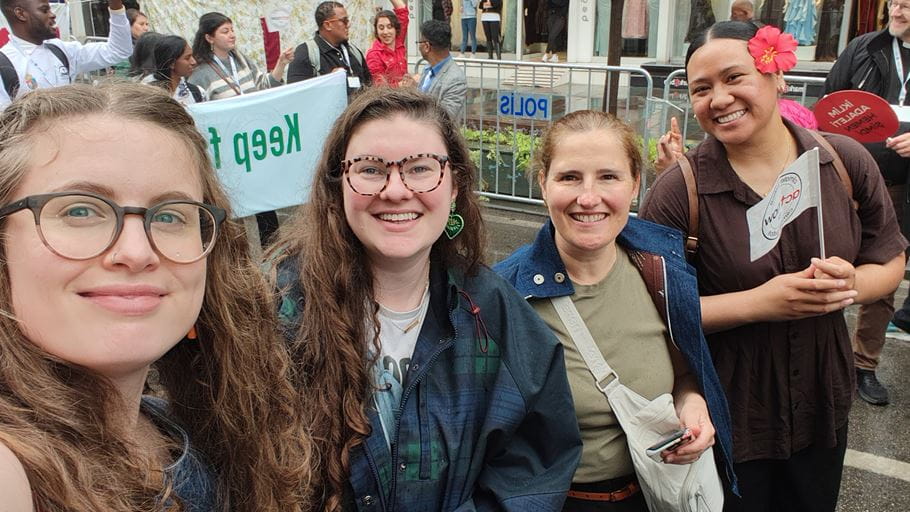
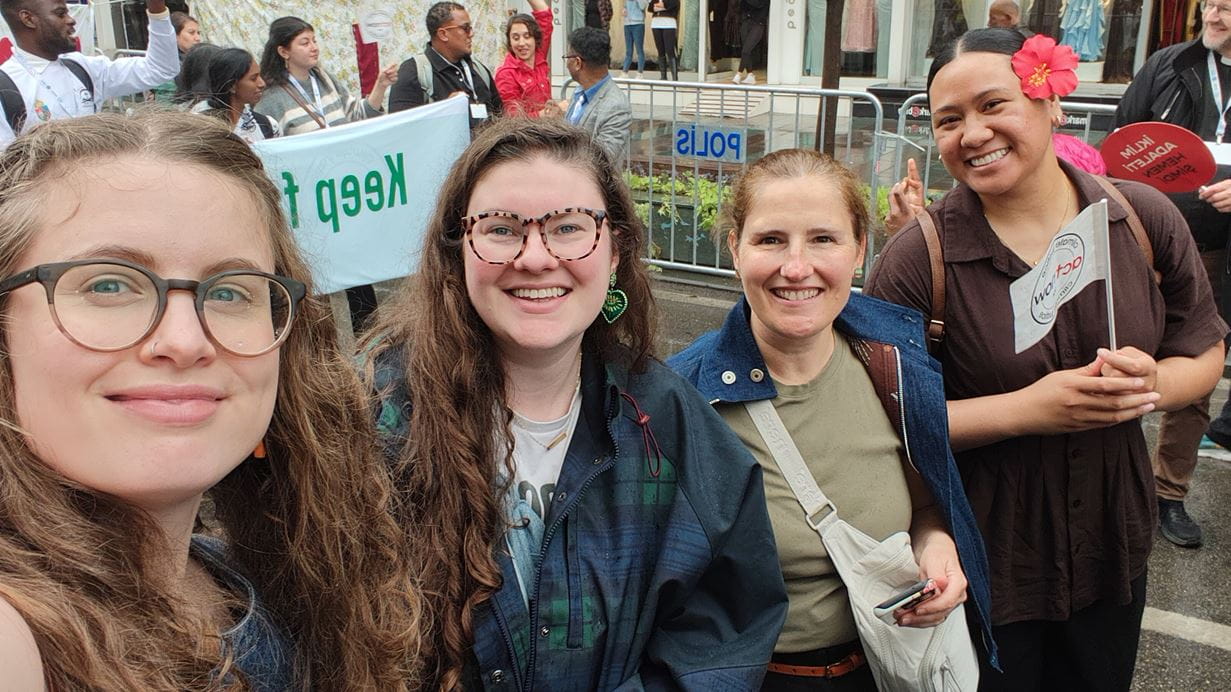
Four smiling women pose for a photo at an outdoor event. One woman on the right has a red flower in her dark hair and holds a small white flag. Another woman wears a plaid jacket and heart-shaped earrings.

From left to right, Hannah Eves, Eve Paterson, Emma Wyndham Chalmers and Autalaga Tuialii take part in the Global Day of Action with the faith cohort including the Christian Climate Observers Programme and the COP31 Ecumenical Collaboration. Credit: Tearfund

What were the issues on the table at negotiations?

At these negotiations, countries come together to review progress in limiting greenhouse gas emissions to ensure a safe and habitable planet. They also review what support countries need to adapt to the climate crisis, many of which have the least resources and responsibility for the crisis, and how that support should be delivered. This has never been so urgent as the ‘Super El Niño’ weather system, supercharged by climate change, threatens to push 50 million people into severe hunger.

Within this context, COP31 needed to deliver climate finance that can reach the communities who need it most, a mechanism for a just transition to ensure no one is left behind, and a transition away from fossil fuels.

Climate finance is a critical part of these negotiations because communities living in poverty and smallholder farmers cannot adapt to the impacts of climate change without the resources to do so. Adaptation systems can mean the difference between life and death; they support resilient farming practices to reduce hunger during drought, investment in resilient infrastructure, early warning systems so people can escape catastrophic flooding, and much more.

‘Climate finance is a critical part of these negotiations because communities living in poverty and smallholder farmers cannot adapt to the impacts of climate change without the resources to do so.’

At COP30 in Belém, countries also reached a historic agreement to develop a mechanism in future negotiations to deliver what is known as a ‘just transition’. To meet our climate goals and ensure a liveable planet, the world needs to make a transition away from the things which contribute to the climate crisis, like the burning of fossil fuels and industrial, climate-destructive agriculture, towards an economy that supports sustainable practices like clean energy and climate-resilient farming methods like agroecology. A ‘just transition’ is all about ensuring that this shift creates opportunities for local communities and leaves no one behind, making it essential for climate justice and a key issue to progress at COP31.

Before we explore the outcomes in more detail, it is fair to say that there are many ways in which COP31 sadly fell short. But with so many vital issues on the table for people living in poverty, we must keep faith in the multilateral process. As Tearfund, we stand in solidarity with countries that are living with the day-to-day realities of climate breakdown and those who spoke up powerfully for climate justice in Antalya. As we look ahead to COP32 in Ethiopia, we pray for renewed ambition on these issues, and we will continue to stand alongside communities experiencing climate breakdown first and hardest.

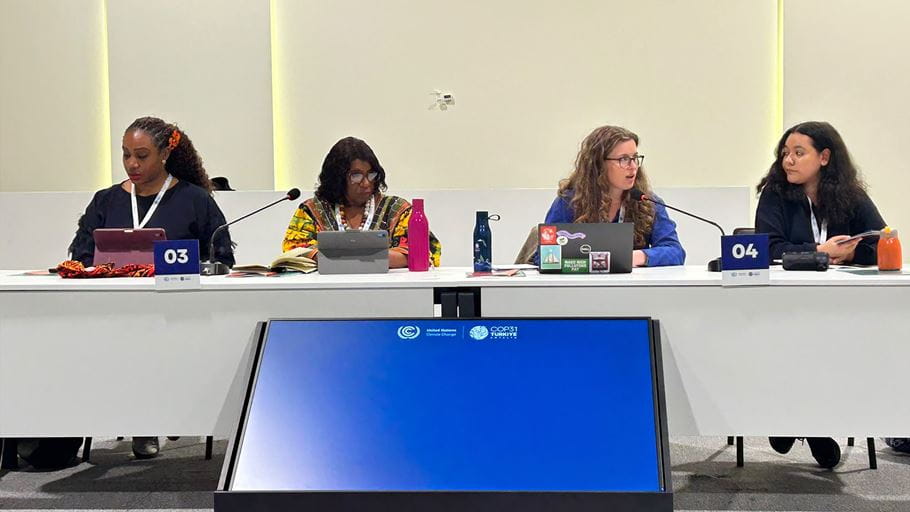
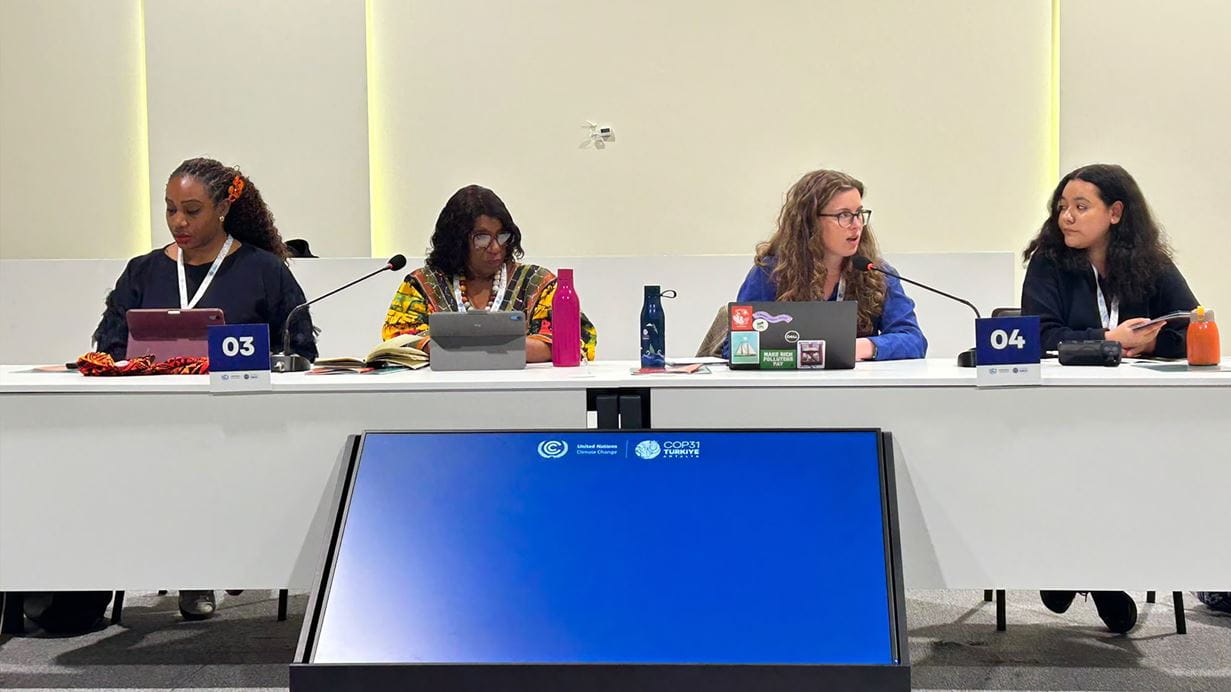
Four women are seated at a white conference table with microphones. The woman on the far left looks at a tablet, the second woman looks at a tablet, the third woman speaks into a microphone, and the fourth woman listens. A large screen in the foreground displays the United Nations Climate Change and COP logos.

Hannah Eves, Climate Policy Advisor for Tearfund, contributed to a panel on just transition alongside women of faith working in climate. Credit: Tearfund

What can we celebrate from COP31?

We were so grateful to be covered in prayer by Tearfund supporters while in Antalya. Many of you walked the fields with smallholder farmers Afroza, Beli and Zainab in our Cropped Out journey this harvest. More than 1,750 people sent our Harvest e-card to Miatta Fahnbulleh MP, head of the UK delegation at COP31, advocating for climate justice.

It was also a real blessing to work alongside our colleagues at Tearfund Australia, collaborating to increase the impact of our advocacy and influence. Emma Wyndham Chalmers, Head of Advocacy and Church Engagement for Tearfund Australia, says, ‘In a space like COP, there are many different voices, representing many different interests. Together as Tearfund, and with other Christians from around the world, it’s been a powerful witness to lift our voices in a united call for justice for the communities who bear the brunt of this crisis.’

‘More than 1,750 people sent our Harvest e-card to Miatta Fahnbulleh MP, head of the UK delegation at COP, advocating for climate justice.’

Despite the absence of fossil fuels within the outcome of COP31, a coalition of willing countries are meeting in 2027 for the second conference on transitioning away from fossil fuels hosted by Tuvalu and Ireland. While these conferences do not hold the same weight as the formal COP processes, they send a powerful signal that a growing number of parties are willing to have the much-needed conversation about how to transition the world away from fossil fuels.

After two weeks of negotiations, the just transition negotiations ended with strong language about the critical role of smallholder farmers, agroecology and the need for finance to support agriculture. However, the task of figuring out what mechanism will actually deliver a just transition in practice will be picked up again at COP32 in Ethiopia, leaving communities who have done the least to cause the climate crisis without the support they need to protect their lives and livelihoods. This adds another item to an already very packed agenda for Ethiopia, essentially asking a lower-income and climate-vulnerable country to pick up the slack of what couldn’t be agreed in Türkiye.

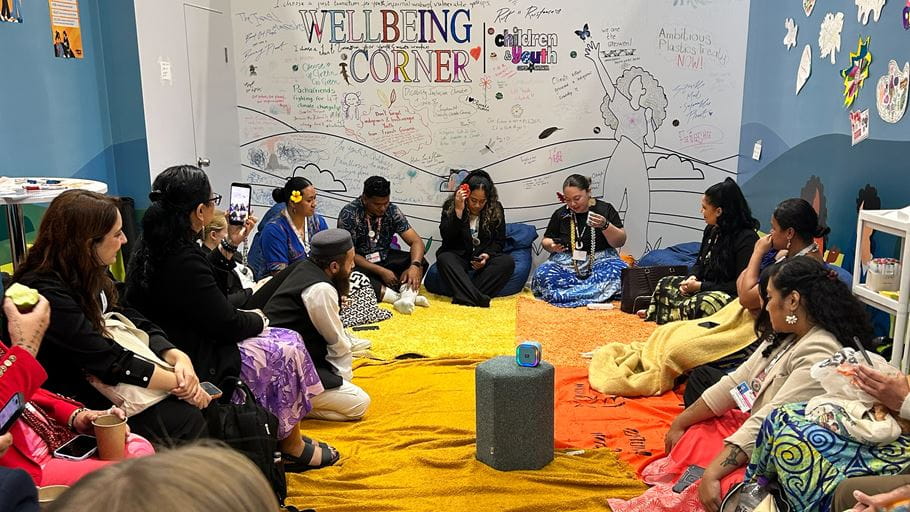
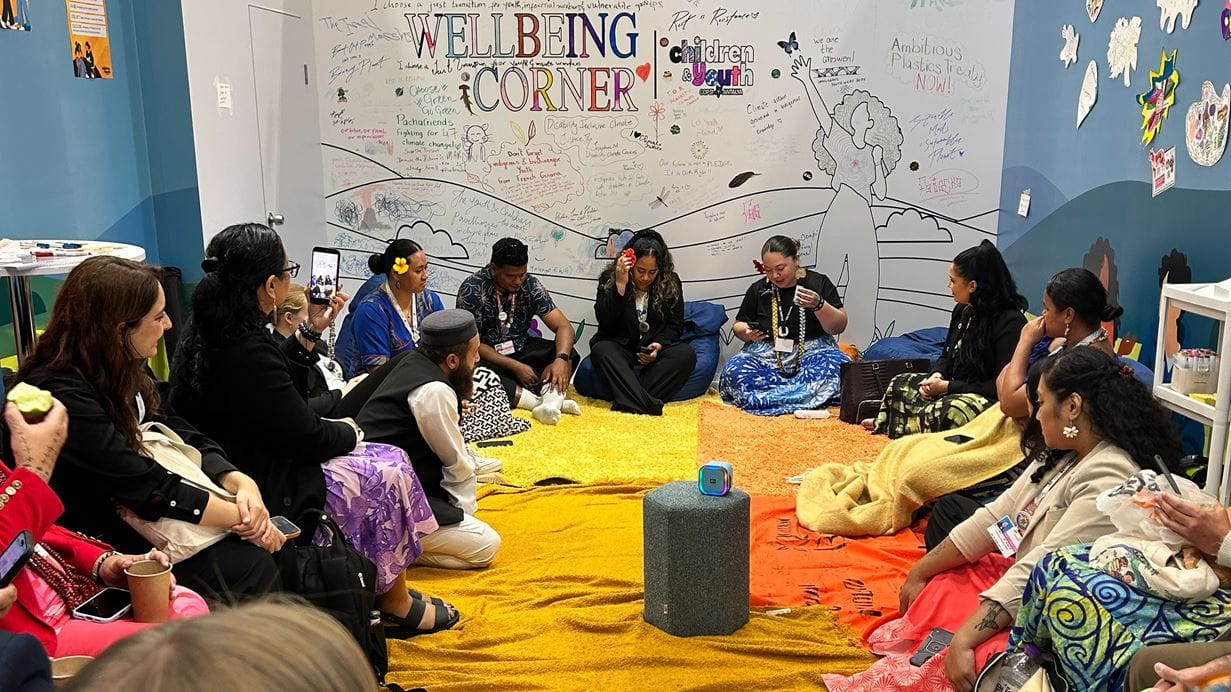
A group of adults sit on colourful floor mats in a room with a white wall covered in handwritten messages and drawings, and a blue wall with paper cut-outs. Many wear lanyards, some look at phones, and a grey cylindrical stool with a small colourful cube sits in the foreground.

Young climate advocate Autalanga Tuialii (in blue with a yellow flower) represented Tearfund Australia at an event with Pacific Island and diaspora youth, exploring why climate justice matters to her. Credit: Tearfund

What must we lament from COP31?

Climate-vulnerable countries came to COP31 calling on wealthy nations to deliver on the climate finance commitments made last year at COP30 to triple adaptation finance to $120bn. Even this target is only a fraction of the estimated $305bn needed for adaptation. Yet, only $50.2m was pledged to the Adaptation Fund this year. The lack of progress in delivering and raising ambition on climate finance has stalled progress across nearly every issue discussed at COP, and this COP continued in a well-worn pattern of failing to deliver any meaningful progress in turning the promised $300bn of total climate finance across all areas into the $1.3tn needed.

Regarding agriculture and food security, we lament that the discussions ended without any text but just an agreement to meet again next year. This is not just a failure to agree on lines of text in a UN document, but it fails smallholder farmers living in drought, floods and failed harvests.

‘I am more convinced than ever of the need for everyday Christians in wealthy countries to speak up for climate justice.’
Emma Wyndham Chalmers

Finally, the COP failed yet again to name the dinosaur in the room: fossil fuels. Which, in the words of climate scientist Katherine Hayhoe, is like holding a conference about quitting smoking but not mentioning cigarettes. The science is clear: the transition away from fossil fuels is essential to limit global heating to safe levels. Yet again, the COP process has failed to achieve the consensus to deliver this.

Emma Wyndham Chalmers says, ‘There was a striking disconnect between what communities living in poverty need and what was delivered at the negotiating table, and it was particularly discouraging to see the Australian COP31 leadership fail to land a more ambitious outcome. While there are many factors at play, I am more convinced than ever of the need for everyday Christians in wealthy countries to speak up for climate justice. The call from climate-vulnerable countries could not be clearer. We need to add our voices to theirs.’

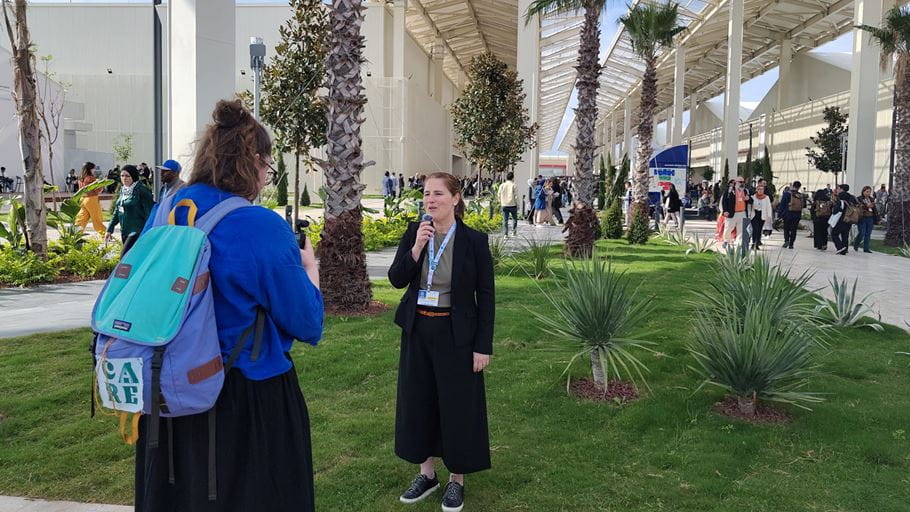
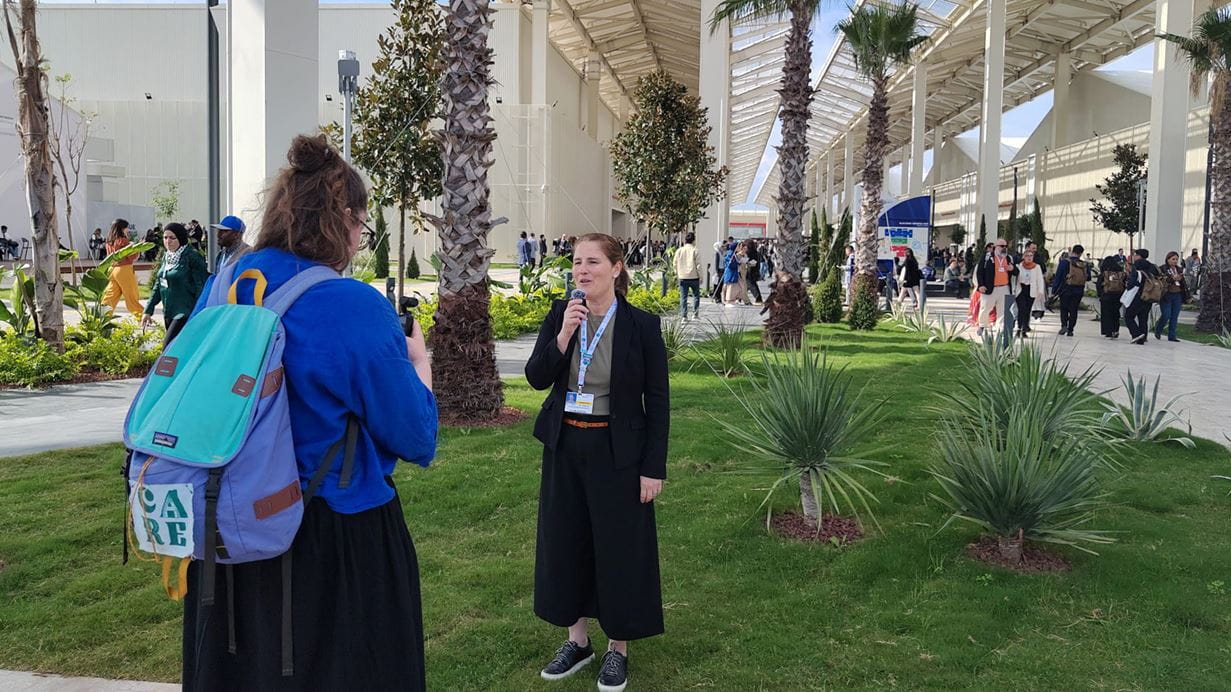
A woman in a dark jacket speaks into a microphone, facing a woman recording her with a device. The recording woman wears a blue top and has a backpack. They stand on grass among palm trees and plants, with a large, modern conference venue and other attendees in the background.

Eve Paterson films Emma Wyndham Chalmers in the central ‘peaceway’ of the COP31 venue in Antalya, Türkiye. Credit: Tearfund

What does this mean for people living in poverty?

Every fraction of a degree of global heating means more drought, more heatwaves, more landslides, more failed harvests, and more devastating daily impacts for people living in extreme poverty.

In every home, every field and every community around the world, people are making incredibly difficult decisions to protect their lives and livelihoods from the climate crisis. They don’t get the luxury of avoiding hard choices, which makes it all the more heartbreaking that countries have done exactly that at COP31.

Rana Gorges, Country Director for Iraq, recalls how farmers in Iraq like 46-year-old Aqsam have received support from Tearfund’s partners to address water scarcity that threatens the small farm her family needs to survive. ‘She now says she has hope for the future,’ says Rana, ‘but this intervention is only a sticking plaster. Smallholder farmers need the money promised to them to adapt in the long term.’

While Tearfund has the privilege of working alongside tens of thousands of communities in need around the world, the scale of the climate crisis needs much greater resourcing to support smallholder farmers like Aqsam.

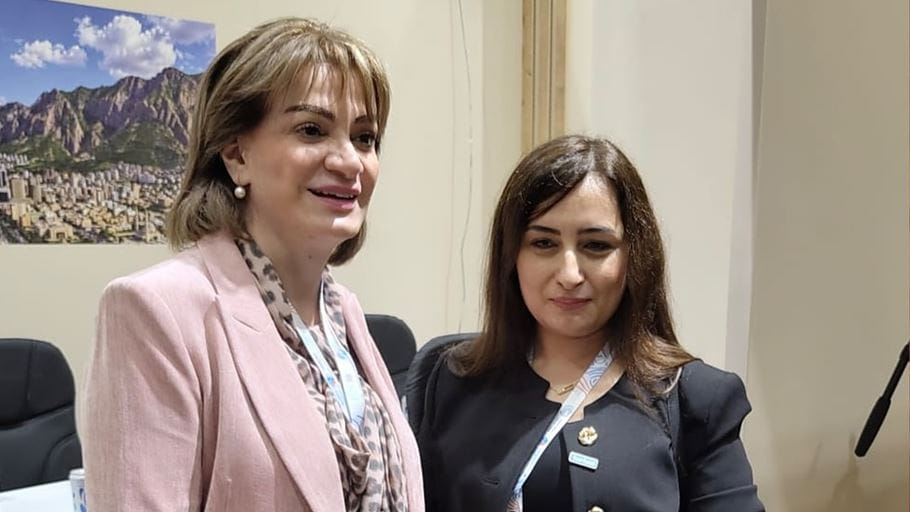
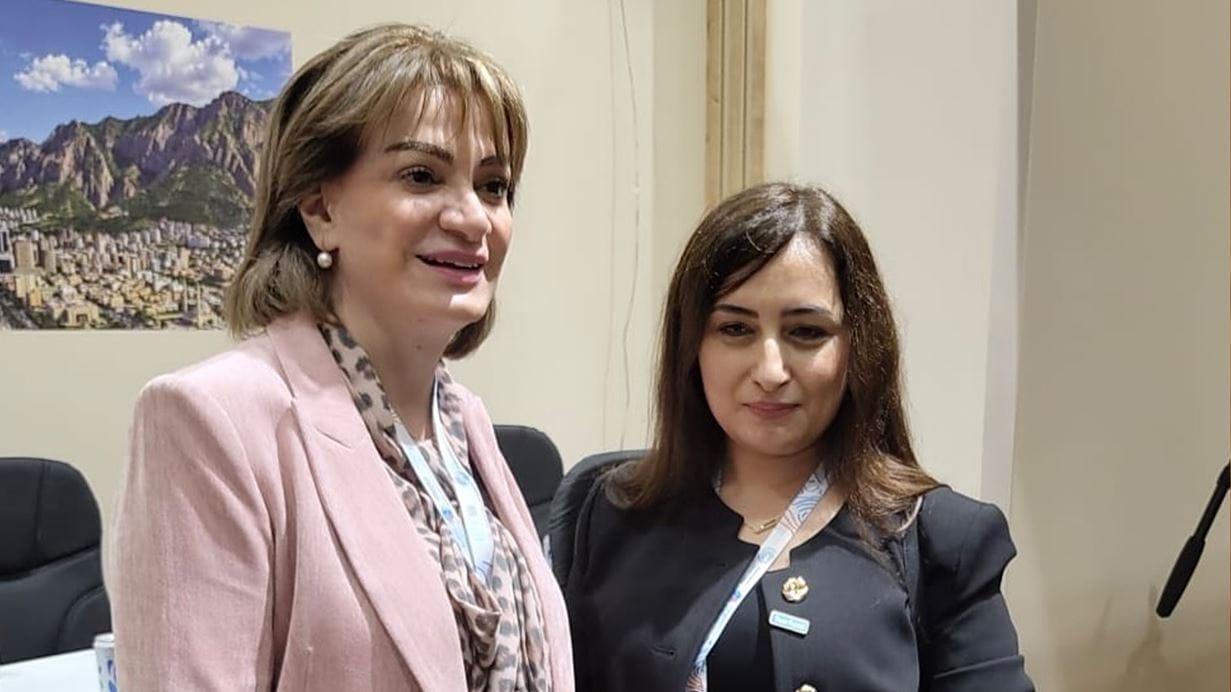
Two women, both wearing lanyards, stand indoors. The woman on the left, with blonde hair, smiles and wears a pink blazer and a leopard print scarf. The woman on the right has dark hair and wears a black blazer, looking slightly downwards.

Rana Gorges, Country Director for Iraq, met with members of the Iraq Environmental Environment to strengthen their partnership to support communities living in poverty, particularly smallholder farmers facing drought and water scarcity. Credit: Tearfund

How we're continuing to advocate for climate justice

More than 90,000 people registered for badges at COP31, making it the largest COP on record. While this sounds like a huge number, the scale of the climate crisis requires every single one of us to play our part. We are so grateful that thousands of our supporters live out their faith every day through their prayers and actions for climate justice.

As Tearfund, we continue to advocate for the needs of smallholder farmers around the world, ensuring they have access to the resources they need to adapt to a changing climate, and that their lives and livelihoods are protected by a fairer food system. We will continue to seek this transformation through policy changes, programmatic work with our local partners, and living in a way that shows Jesus’ love to our global neighbours.

Jesus’ love leads us to take action on the climate crisis, and his gospel gives us hope that restoration is still possible. Even in disappointment, we can take heart from the verse that Rev Mata shared with Pacific Island delegates on the final official day of COP: ‘Have I not commanded you? Be strong and courageous. Do not be afraid; do not be discouraged, for the Lord your God will be with you wherever you go.’ (Joshua 1:9)

Let's remain strong and courageous in our pursuit of a liveable planet for all of us, especially our neighbours in extreme poverty.

‘Jesus’ love leads us to take action on the climate crisis, and his gospel gives us hope that restoration is still possible.’
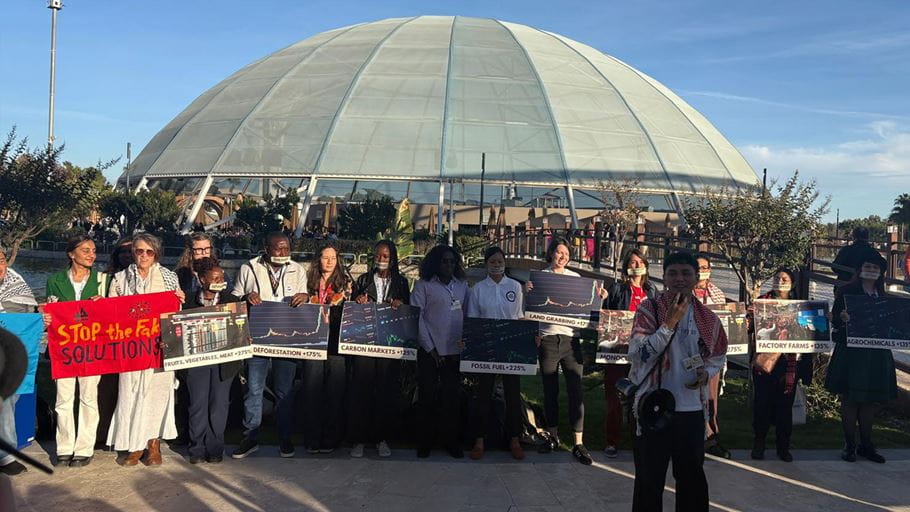
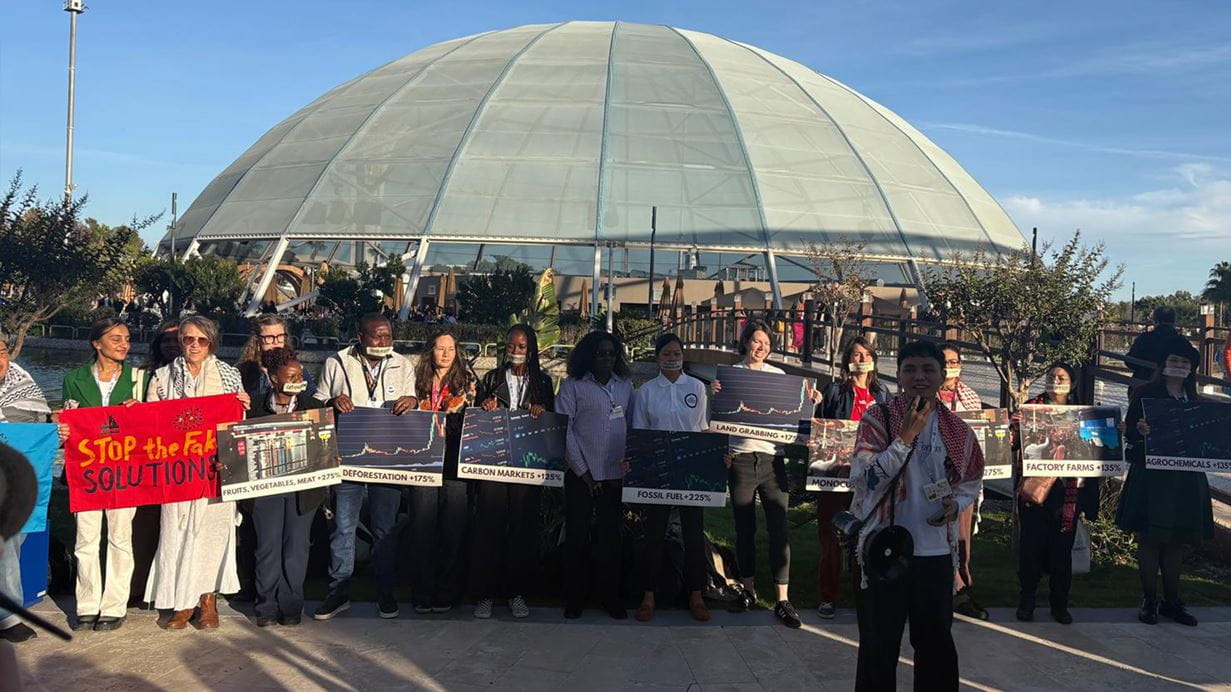
A group of people stand outdoors with protest signs and banners in front of a large, modern domed glass building. Many in the group have white tape over their mouths, and one person in the foreground holds a megaphone.

Powerful actions were visible across the site and throughout the fortnight, including this one that Hannah Eves took part in, championing agroecology and rejecting false solutions. Credit: Tearfund

Pray for climate justice:

    • Give thanks for the incredible passion and presence of faith communities, civil society groups and climate-vulnerable countries who brought a loud and united voice for urgent climate action at COP31.
    • Pray for the communities who are most affected by the climate crisis, that they will know they are not forgotten. Pray for resilience and protection as they continue to face the impacts of catastrophic climate breakdown.
    • Pray that leaders and delegations from wealthy nations will choose to put people above profit. Pray they will deliver on the commitments they’ve made at COP31, and that they will not lose momentum, returning next year to COP32 with more ambition and compassion.

Written by

Written by  Eve Paterson and Hannah Eves

Similarly Tagged Content

Share this page

Share this page to spread the word and help support those in need.

Get our email updates

Learn about our work and stay in touch with Tearfund. Hear about our news, activities and appeals by email.

Sign up now - Get our email updates