Mutaho village in Burundi used to be an unhealthy community, often prone to preventable sickness. Open defecation was once widely practised, and pigs roamed freely. The village suffered from frequent outbreaks of diseases, including worms and cholera. This was made worse by animals and people living in the same homes.
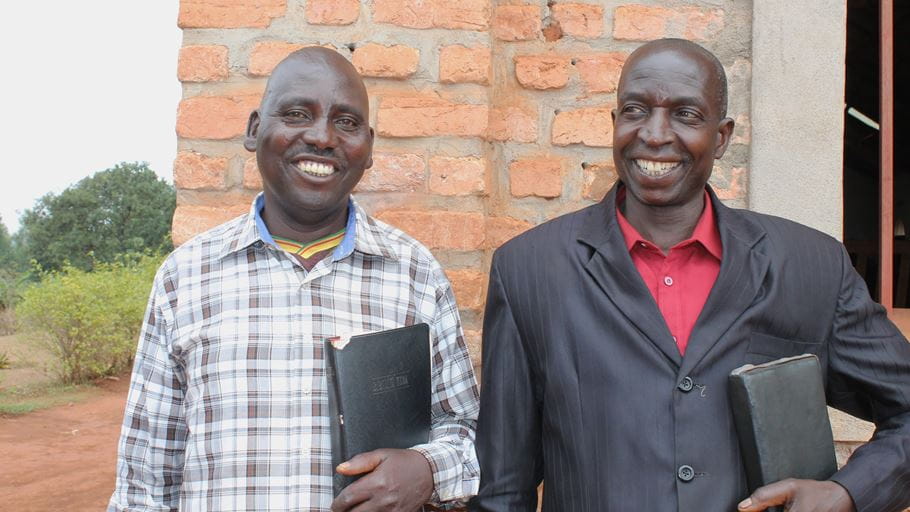
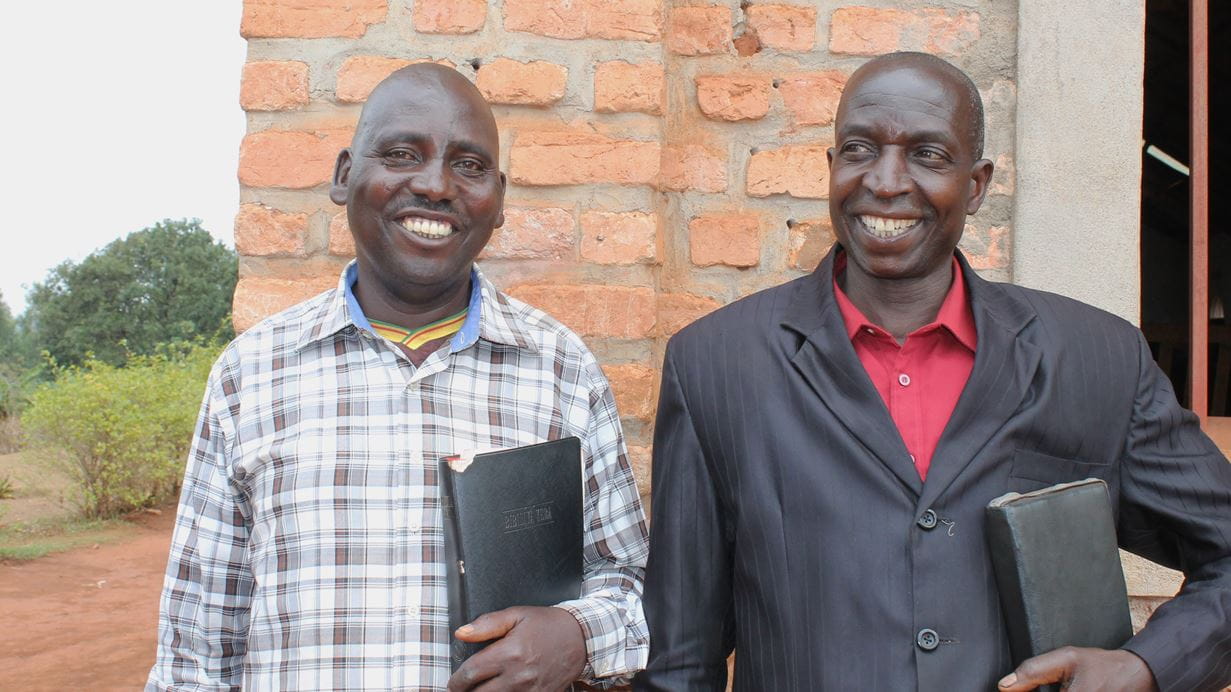
'People didn't have toilets – just a hole in the ground with planks of wood on top, surrounded by rubbish,' says Nzeyimana, a local church leader. 'They shared their homes with animals, and there was no hygiene in the house. Many people suffered from diseases because of malnutrition. Families often spent all of their money in hospitals and not on improving their homes. Because there wasn't enough food in the house, students dropped out of school.'
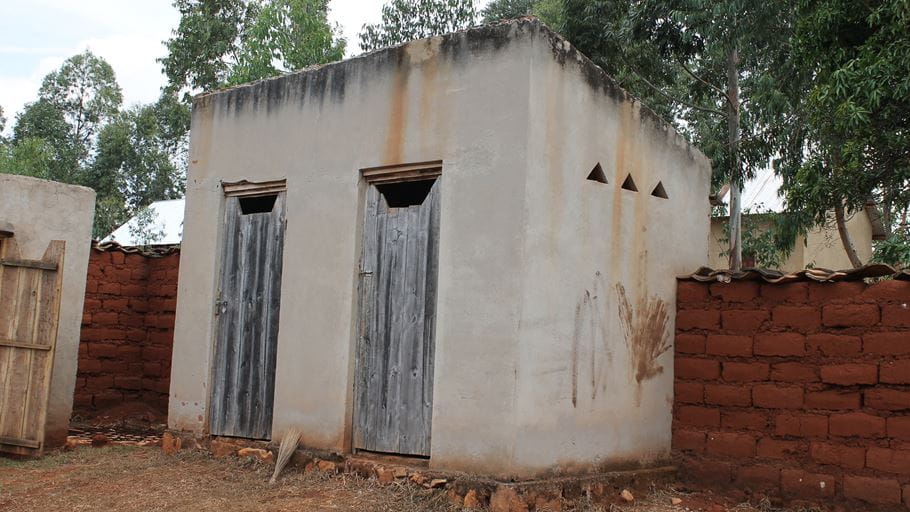
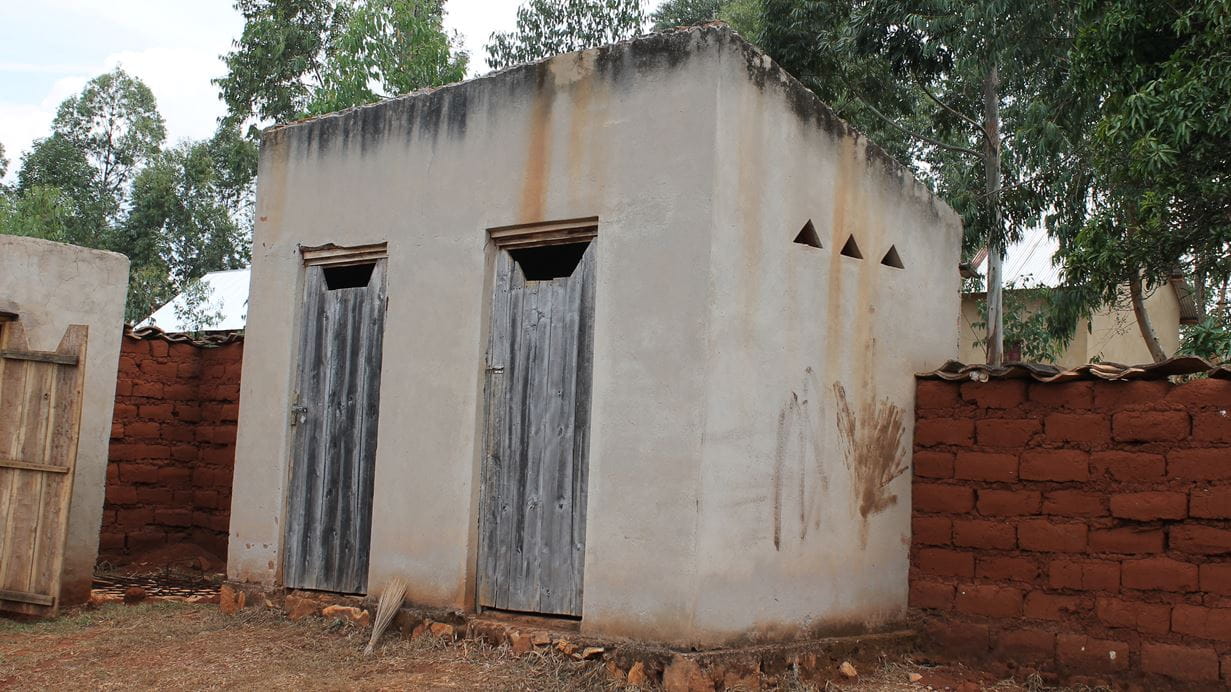
Following Tearfund's initial Transforming Communities training, villagers started constructing pens for their animals. They also built toilets, though initial attempts were inadequate – the pits were not dug deep enough and were covered by wooden logs that people could fall through. The toilets were covered only by banana-leaf walls, and no roofs, which offered no privacy.
This situation changed after the communities received further Community-Led Total Sanitation training from Tearfund's partner Fraternite Evangelique Du Christ En Afrique Au Burundi/Evangelical Brotherhood of Christ in Africa in Burundi (FECABU).
Learning better hygiene from the Bible
'When Tearfund and FECABU started, they emphasised the Bible, and we understood that everything based on the Bible is very important. What God does is powerful and lasting. The Transforming Communities facilitators showed us how God cared for the children of Israel in Deuteronomy 23:12–14, where the Lord instructed that everyone should carry a spade so that when they need the toilet, they can dig a hole and cover the excrement.
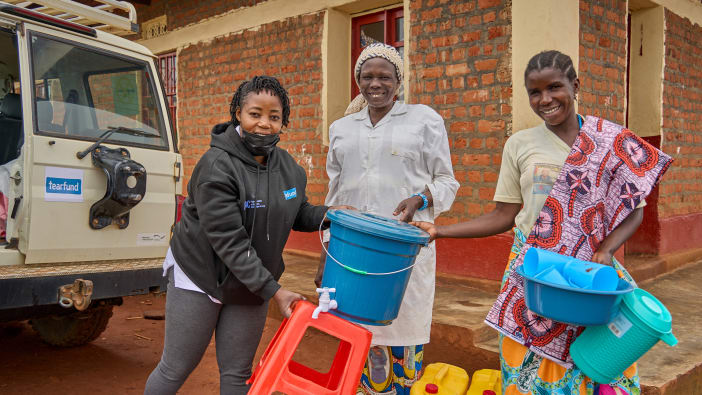
'We gathered as church leaders, and when we looked at our community, access to hygiene was very bad because many people used to go to the bushes. We saw that this was causing diseases. As church and community leaders, we took a stand to help church members build proper toilets. We started by digging a pit one metre deep, and later dug at least 10 to 12 metres. We covered them so no flies could enter, and provided water and soap for handwashing.
'Transformation began, and diseases diminished. Children's health improved, and the number of malnourished people was reduced. We used to give them food, but then taught them how to produce food for themselves, as well as how and when to wash hands – after using the toilet, before preparing food and before breastfeeding.
'People began constructing pens for their animals. Tearfund also taught us about planting bananas for a good harvest and as a source of income. We used to eat only one meal a day, but now children have breakfast before going to school.
'Children didn't go to school because there was no money. But now we have children who have completed their education. I have money I can put in my bank account, and we can invest and do other things. I told my family that before we drink water, we have to boil it, because I see how a lack of hygiene affects the whole family.
'We are so happy now. Before, it was very difficult for me as a church leader to tell the congregation that we could do something for the Lord. I was ashamed because I had nothing to give. But the church took the first step to construct good toilets.
'If you see me going to the farm now, I am dressed well in my farming clothes. We thank God for where we are today, and we also thank Tearfund for what they did through FECABU.'