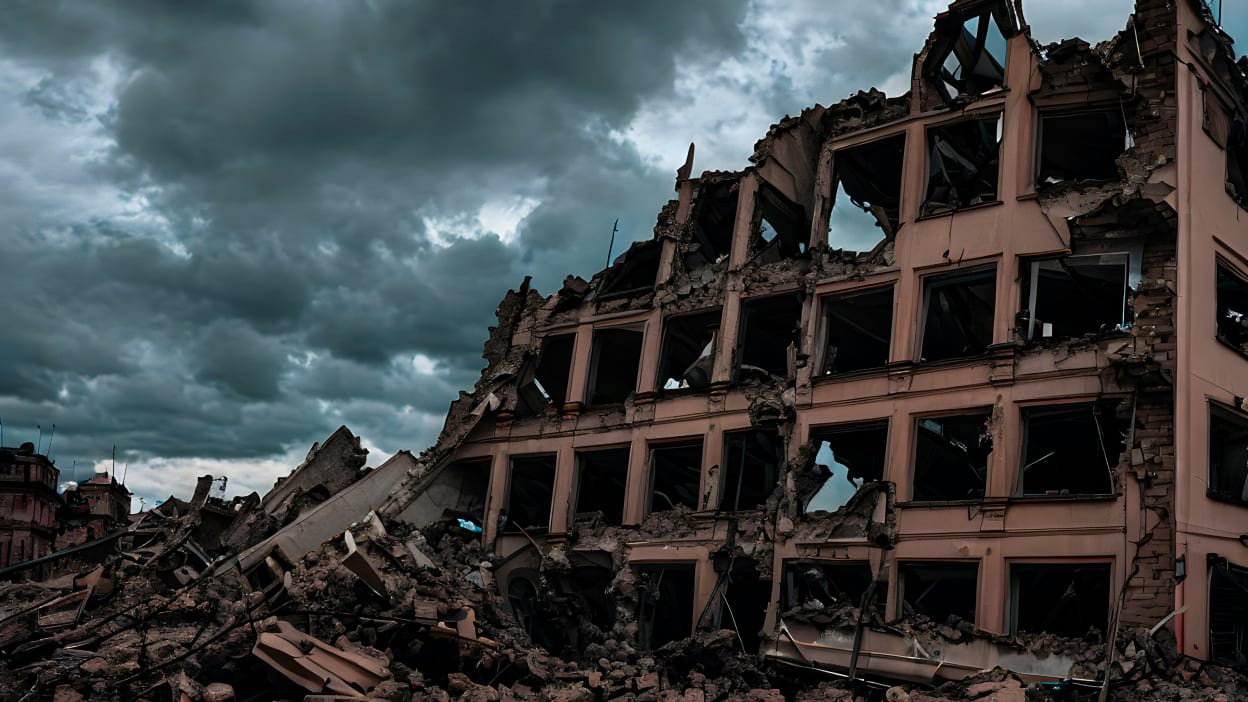
In this context of violent loss, destruction and uncertainty, where people are surrounded by grief and death daily, Christians from different denominations in Ukraine are facing deep internal and spiritual challenges along with the practical ones.
The ongoing pain gives rise to difficult questions about God, and if these questions are not acknowledged and talked about (and grieved), people find themselves at a loss for ways to hold onto their faith. Including church leaders.
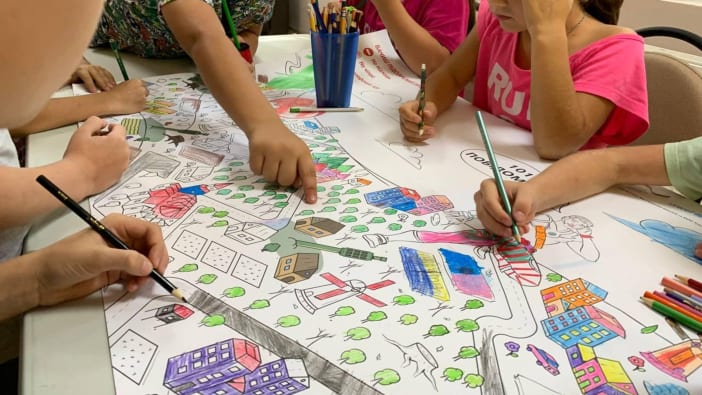
As local churches respond within their communities to meet some of the many and varied needs people are facing, Tearfund has been working to support the people carrying those burdens. One of the ways is by running training programmes to help them face the psychological and emotional trauma of the situations around them, giving them the space to voice these questions and find a path forward.
One local partner staff member who helps deliver this training shared this reflection with us:
Where is God in the midst of a war?
‘War brings to the surface profound questions that are shared across denominations:
What is the meaning of suffering if God is good?
Can God be trusted in a world that feels unsafe?
Who am I when everything I knew as my life and identity has been destroyed?
Today, faith in Ukraine is not formed in theories and discussion of theology – it is being tested in fire. In peacetime, faith is often scaffolded by traditions and long-established ways of doing things. But, in war, these external supports collapse.
People are left face-to-face with God, asking deeper and more personal questions:
Is my faith based on tradition or personal experience?
Does my faith rely on my personal comfort to be valid – or is there strength to be found within it?
Is it God that I’m seeking – or am I simply looking for safety?
Through all of these questions and struggles, many of those who come to the training talk about experiencing a transformation in how they understand God. They describe beginning with a child-like image of God as one who must prevent suffering to be believed or trusted, but, gradually, their understanding of God matures toward knowing him as the one who is present in suffering, even when it is not taken away. This transition is painful, yet it becomes the foundation for deeper spiritual experience.’