Skip to content Skip to cookie consent
Tearfund home
Donate

DRC Ebola Virus Disease: updates and Tearfund response

Update as at 5 September on Ebola Virus Disease spread and Tearfund’s response work in the Democratic Republic of Congo.

Written by Tarryn Pegna | 23 Sep 2026

A man in a beige multi-pocketed vest with a "Tearfund" logo and a black face mask stands next to a woman in a white head covering, a white lab coat, and a light blue face mask. Behind them is a beige off-road vehicle, and in the background are other people near a building and green foliage.

Tearfund and our local partners in the Democratic Republic of Congo (DRC) are supporting healthcare centres as they deal with the epidemic – including ensuring access to clean water, handwashing stations and personal protective equipment (PPE), such as gloves, that can prevent transmission and save the lives of others. This is particularly important for healthcare workers treating people who are ill. A shortage of basic PPE has been a frightening challenge for medical staff. Credit: Elijah Muweza/Tearfund

In July, Oxford University started the first human trial on a possible vaccine for the Bundibugyo strain of the Ebola Virus Disease (EVD), but there is, as yet, no officially licensed vaccine or treatment. And with a fatality rate as high as 65 per cent in some areas, stopping its spread is the only sure way to keep people safe.

This is the 17th Ebola outbreak in the Democratic Republic of Congo (DRC). It’s also already the fastest-spreading and the second worst in terms of loss of life.

By 5 September:

  • There had been 6,522 confirmed cases and 3,134 confirmed deaths. As an average, that means close to half of all infections were fatal.
  • 1,516 people had been recorded as having recovered, and 1,799 were in Ebola Treatment Centers or Transit Centers.
  • Transmission had expanded to 61 Health Zones across six provinces, with Ituri province accounting for 80.91 per cent of all cases, and North Kivu reporting a particularly high fatality rate of 65.84 per cent.
  • 141 healthcare workers had been infected, with 43 deaths among medical staff.

Exacerbating factors in the spread

The severity of the epidemic has been amplified by:

  • Armed conflict causing populations to have to move, enabling the disease to spread further and faster, and also reducing access to vital resources like water and health care;
  • People moving around the country for other reasons;
  • Inadequate water, hygiene and sanitation (WASH) services;
  • Misinformation;
  • Mistrust of healthcare professionals; and
  • Deaths occurring in communities where there is no (or inadequate) access to healthcare, or where contact with others can’t be traced.
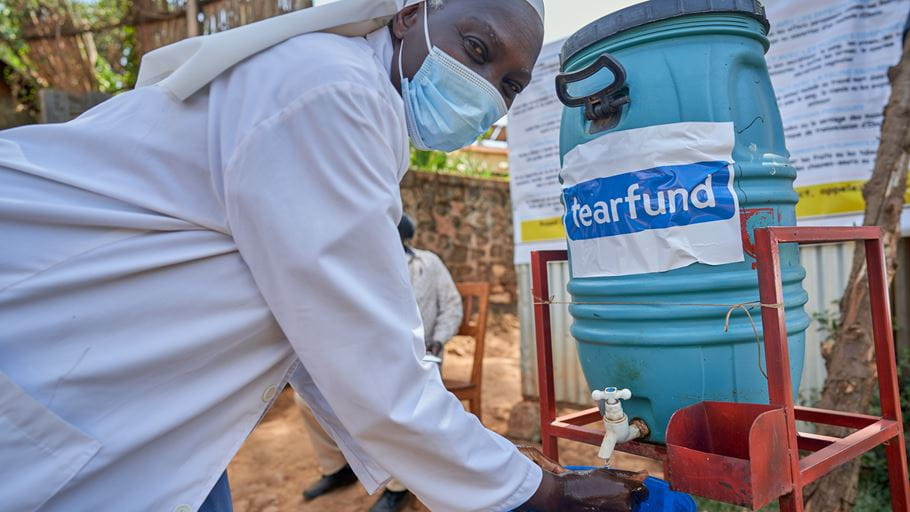
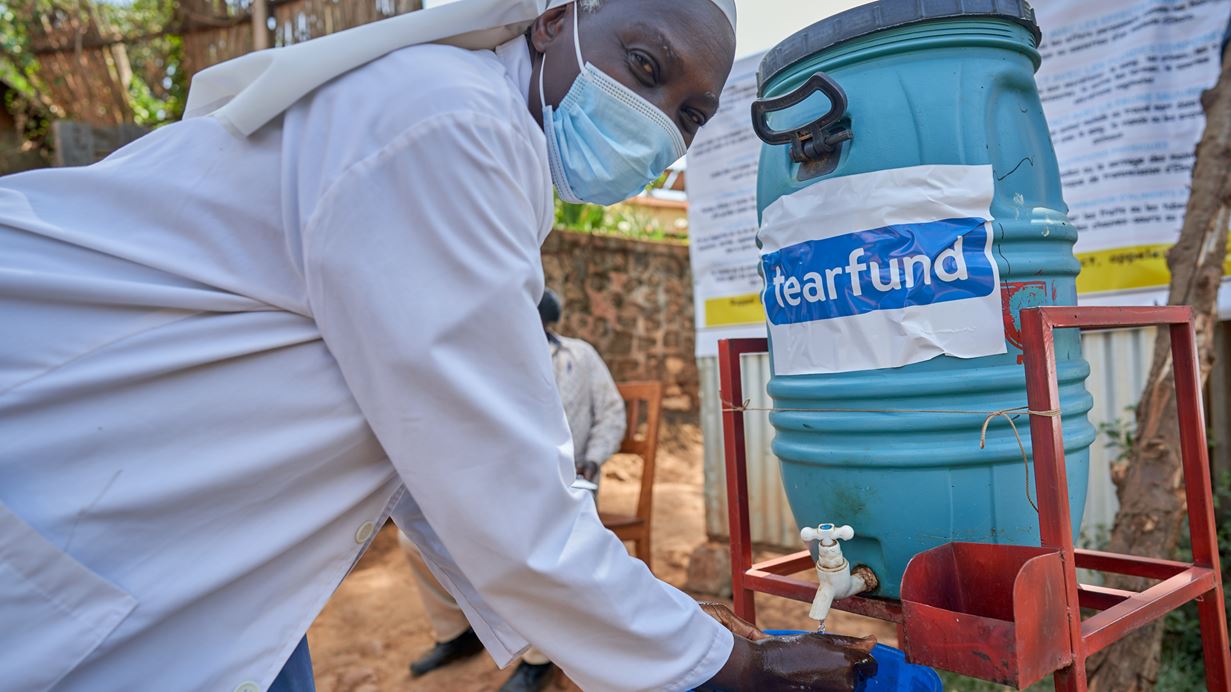
A man wearing a white shirt and surgical mask washes his hands at an outdoor handwashing station. A blue barrel labelled 'tearfund' provides water from a tap.

Setting up handwashing stations at healthcare centres, schools, places of worship, markets and other locations where risk of spreading the disease is high, is one of the ways Tearfund’s partners and staff are helping reduce the spread of Ebola. Credit: Elijah Muweza/Tearfund

What Tearfund is doing

Our local staff and partners are working in a number of different ways to help communities stay safe from and deal with the aftermath of EVD.

This includes:

  • Ensuring permanent, safe water supply infrastructure for communities where access to water has been challenging;
  • Setting up handwashing stations at crucial points;
  • Providing Personal Protective Equipment (PPE) and upgrading biomedical waste management systems to international standards in various healthcare facilities – helping prevent contamination and infection and keeping health workers safe – along with setting up triage zones;
  • Working together with faith leaders, community health workers, opinion leaders and influential community networks (such as groups of women, youth and transport associations) to ensure aid is efficient and tailor-made;
  • Mobilising those groups to share vital facts about how to stay safe from the virus in the community, and also to assist with contact-tracing efforts;
  • Giving cash transfers to EVD survivors and quarantined households to help them meet their immediate basic needs;
  • Distributing leaflets and posters promoting the national 151 emergency hotline;
  • Producing radio broadcasts to share vital information about prevention and tracing;
  • Carrying out door-to-door campaigns and group discussion sessions in communities to share information about prevention and address post-recovery stigma.

During August, Tearfund and our local partners reached 82,429 people in at least one of these ways.

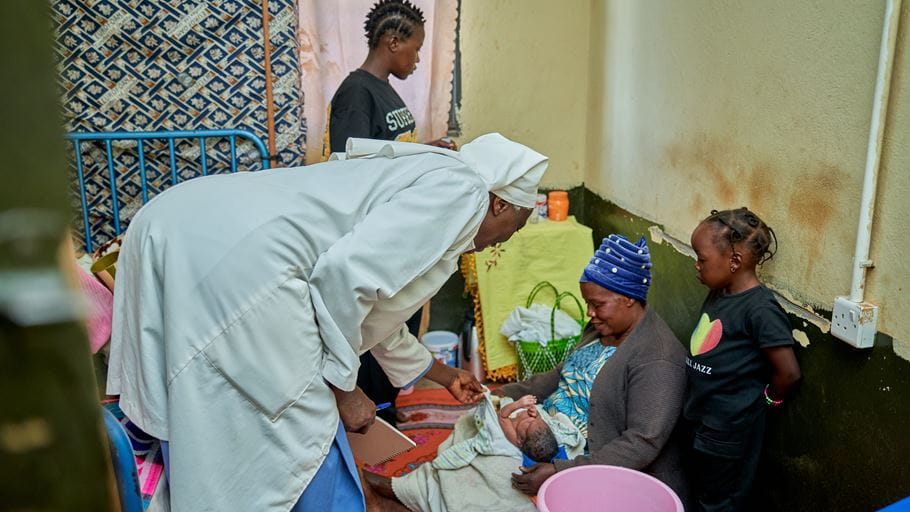
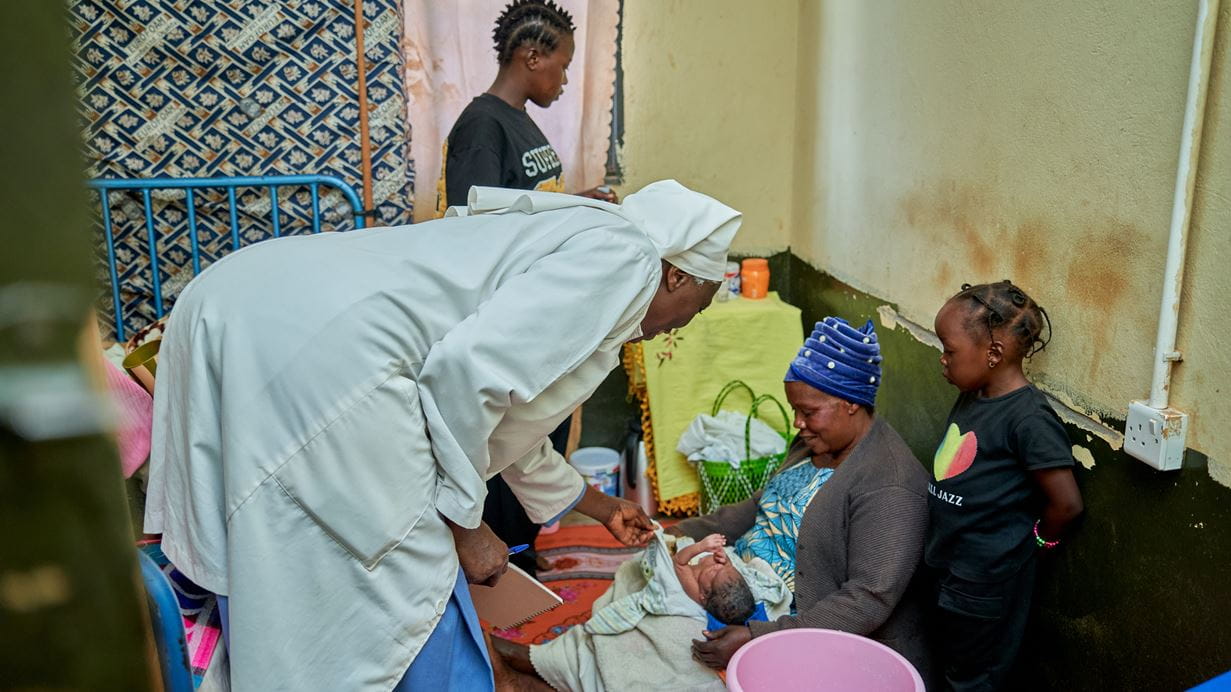
A healthcare worker in a white uniform leans over a newborn baby, held by a seated woman in a blue headscarf. A young girl and another woman observe the scene.

Healthcare workers have continued to care for people who are ill, in spite of often not having sufficient PPE or clean water to ensure they can remain protected from the virus. Tearfund and our local partners have been working to provide clean water and sufficient PPE. Credit: Elijah Muweza/Tearfund

Infection rates and geographical spread

However, the daily average of new cases reported was 71  – which is a 6.8 per cent growth rate.

Ituri Province remains the epicentre, accounting for 5,277 confirmed cases and 2,378 confirmed deaths.

In North Kivu Province, which is also heavily affected, the fatality rate was 65.84 per cent.

Haut-Uele Province is a newly impacted area with a high transmission rate.

To support Tearfund’s work responding to the Ebola crisis financially, please donate here.

Pray for the DRC facing Ebola

    • Lift up all those who have lost loved ones or are facing the disease themselves. Ask God for comfort and for healing where it is needed.
    • Pray for people who have survived, but lost livelihoods and belongings and are facing stigma within their communities. Ask God for people around them to love and support them well – both physically and emotionally.
    • Pray for all Tearfund’s staff and partner staff, as well as healthcare workers and every other person working to stop the spread of the virus and to support those who have been impacted in any way.
    • Ask God for an end to conflict in the DRC, and for the virus to stop spreading.

Written by

Written by  Tarryn Pegna

Share this page

Share this page to spread the word and help support those in need.

Get our email updates

Learn about our work and stay in touch with Tearfund. Hear about our news, activities and appeals by email.

Sign up now - Get our email updates