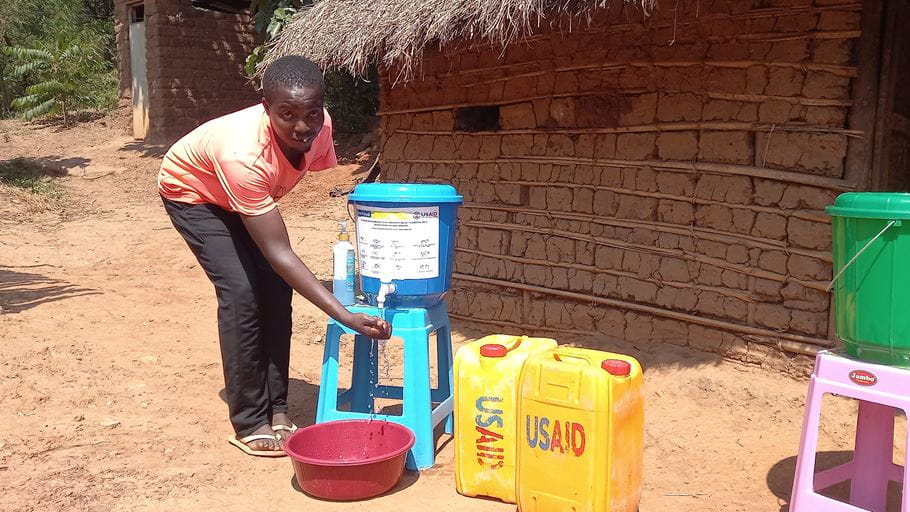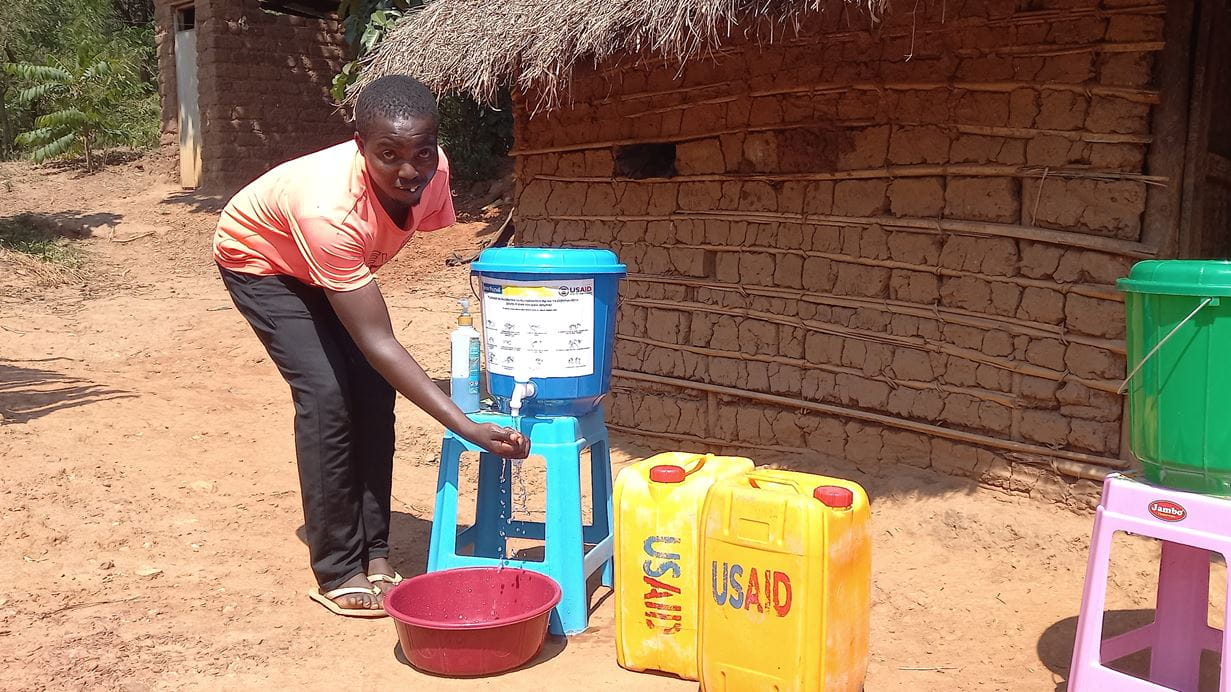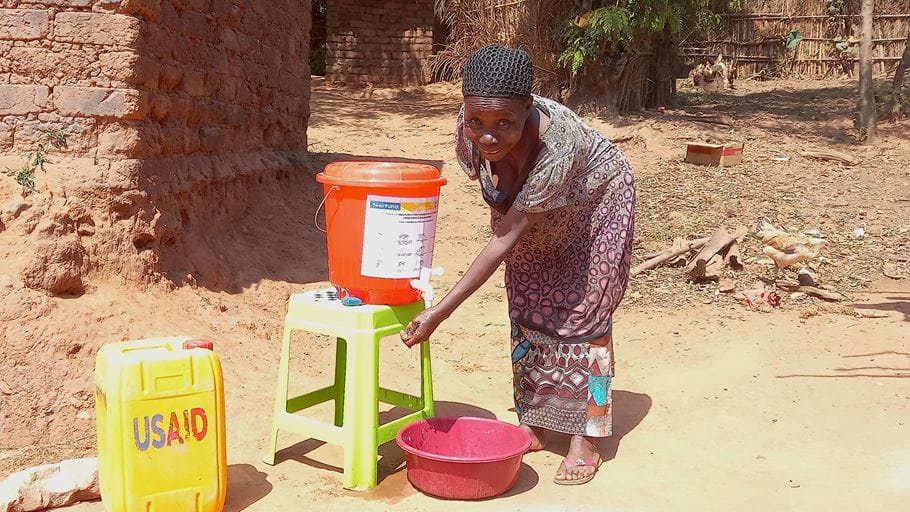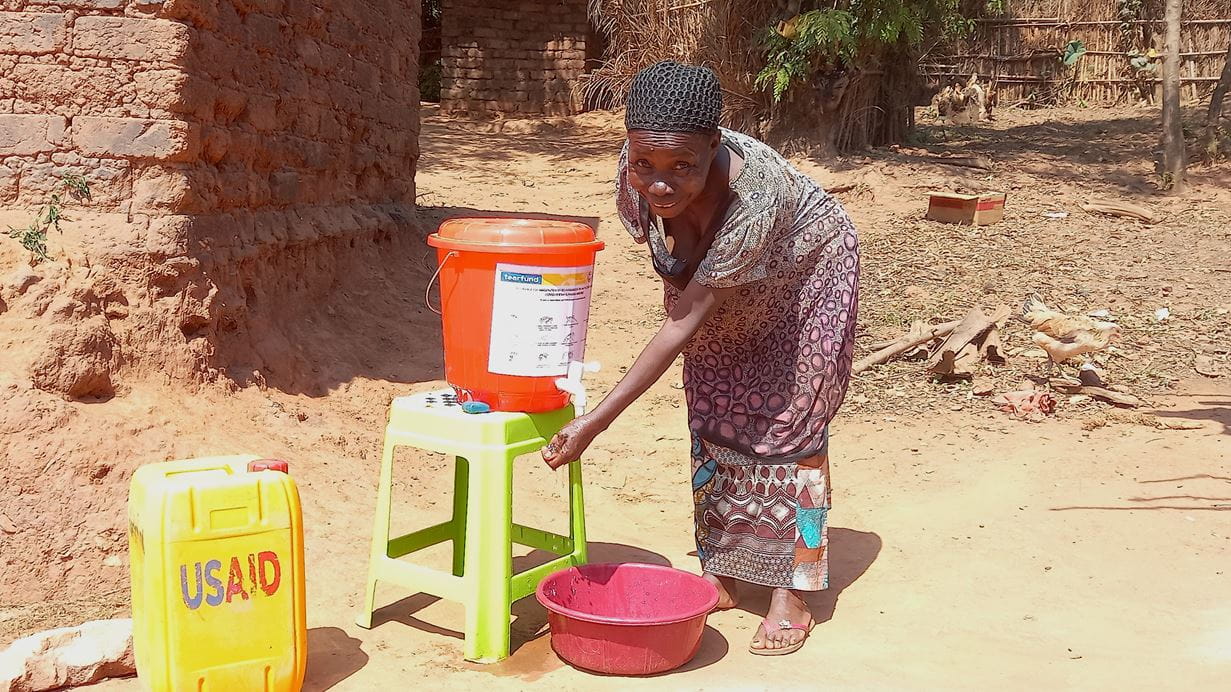
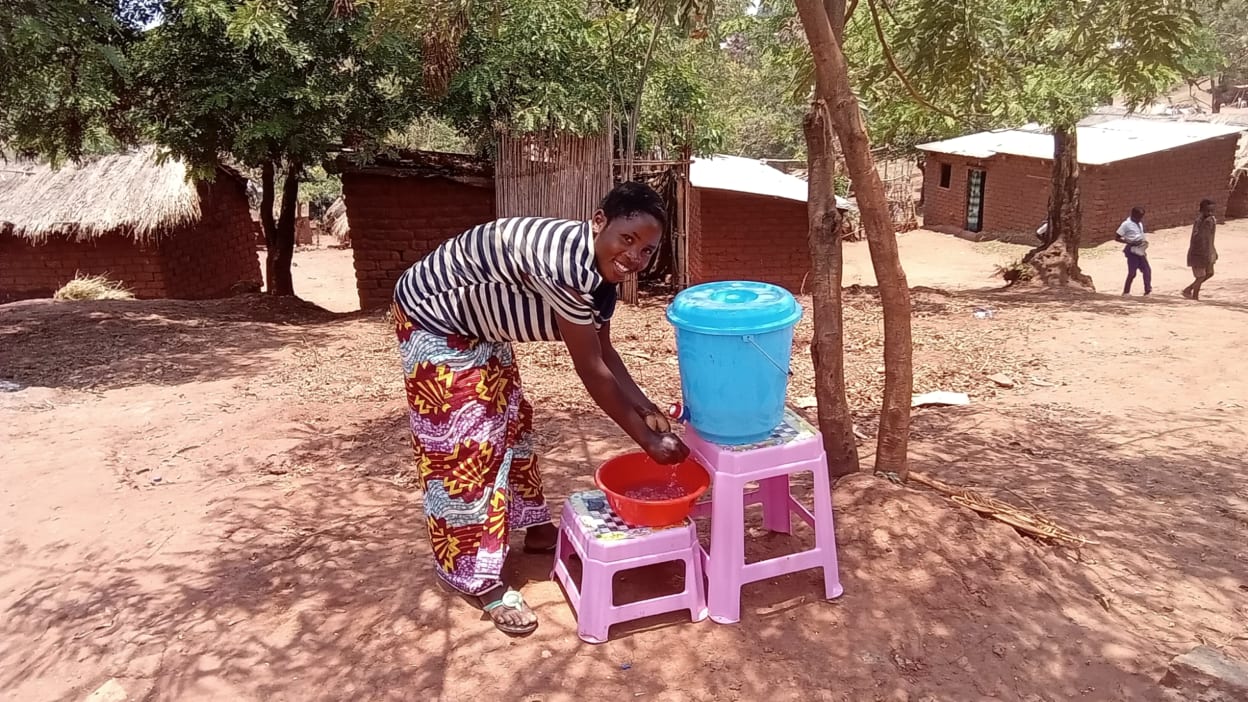
How can you know what no one has ever told you? And what if what you don’t know could cost you your life?
Not too long ago (though we may prefer to forget), we were reminded every few paces, by posters, print, social media, radio and TV, that washing our hands well and regularly with soap and clean water could, literally, help save our lives and the lives of our loved ones.
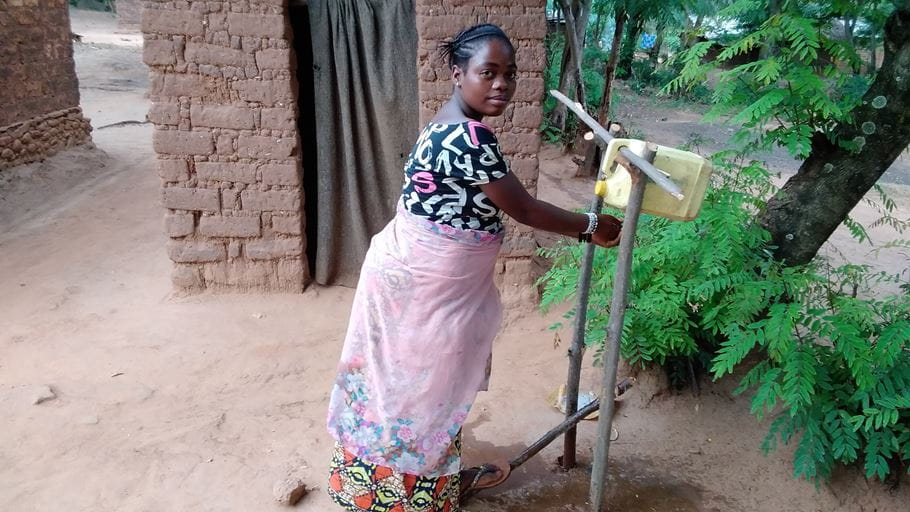
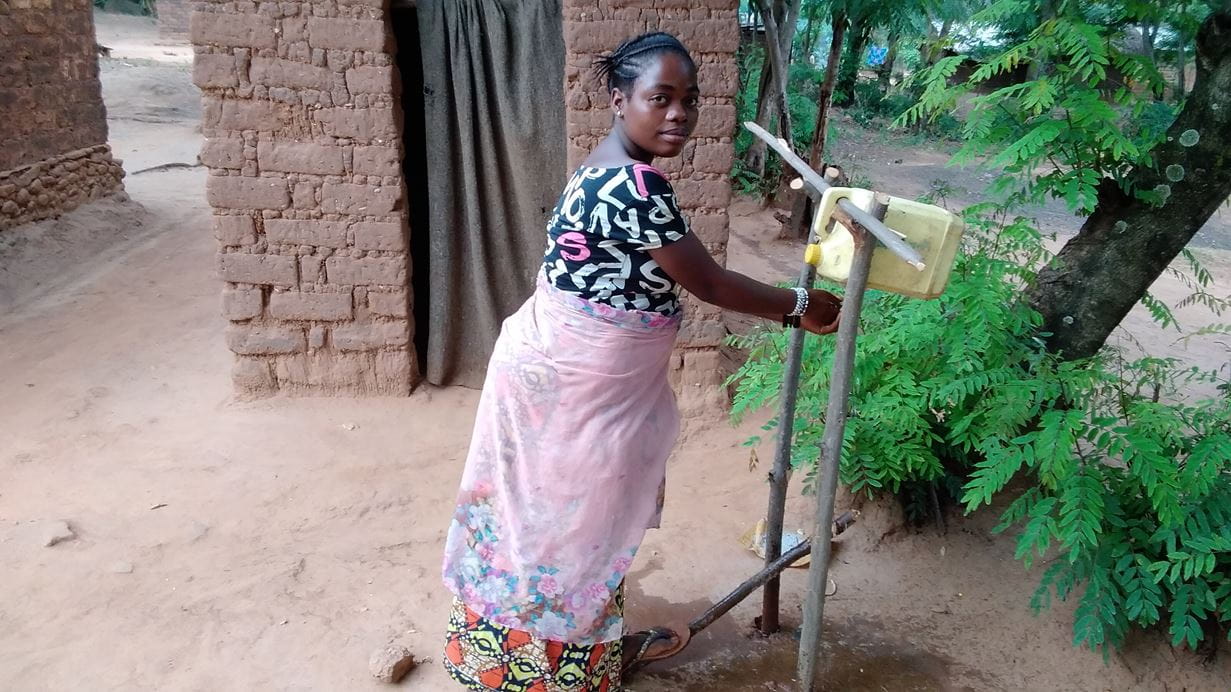
And yet, with all this knowledge we have available to us, a UNICEF/WHO report states that, globally in 2025, around 1.7 billion people still lack basic hygiene services. They don't have access to the essential things they need, such as soap and water, to wash their hands. More dangerously, the information about why handwashing is so important hasn’t been made available to them, either. This makes it really challenging for families to defend themselves against the spread of infections, illnesses and harmful germs when no one has shown them how.
Facts about handwashing and hygiene
Every day, around 1,000 children under the age of five die as a result of unsafe water, sanitation and hygiene (WASH)** conditions.
And, in some places, only 50 per cent of the healthcare facilities where families might go to seek treatment have basic water, sanitation, hygiene and waste services.
In fact, 1.1 billion people rely on health care facilities that don’t even have clean water.
In 2016, a World Bank study showed that hygiene promotion is the most cost-effective health intervention.
Giving people the knowledge and facilities to help people adopt healthy hygiene practices – like washing their hands at key moments, such as before eating, after using the toilet and when dealing with food – is a simple, efficient and highly impactful way to save lives and even to help people free themselves from cycles of poverty.